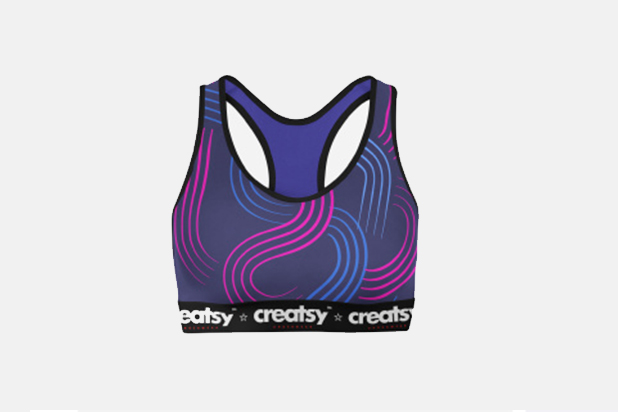
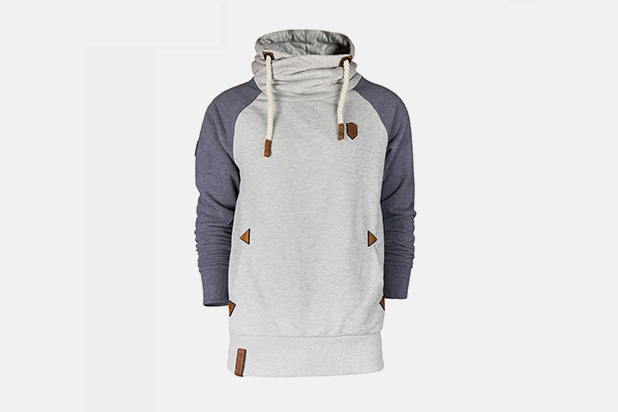
Designing sportswear that sells is a process rather than a talent, and it runs in a fixed order. Skipping a step does not save time; it moves the cost to a later stage where it is higher. The ten steps below are the sequence we see working, from the first decision to the pre-production check.
This page is the working sequence for a club, brand or organisation designing a custom sportswear range, with what each step produces and what it costs to skip.
Quick answer: The ten steps are: define the wearer and use, set the price band, choose the fabric, plan the range, sketch the design, build the technical specification, select the decoration, sample and approve, place the order with the specification attached, and run a pre-production check. The first four steps decide the product; the last six decide whether the product arrives correct. Most design problems are actually decisions from the first four that were never made.
Who wears it, for how long, in what conditions and how often it is washed. Every later decision follows from these four answers, and a design that ignores them fails for a reason the buyer will blame on the factory.
The price band decides the fabric family, the decoration method and the country of supply. Deciding the design first and discovering the cost afterwards is the most common cause of a range being abandoned at the quotation stage.
Fabric decides feel, durability, drying behaviour and which decoration methods are possible. It is the single most consequential choice, and the criteria are set out in selecting sportswear fabrics.
How many styles, in how many colourways, at what depth. Three colourways of one style generally outsells one colourway of three styles, because depth reduces cost and improves availability.
These four steps produce no drawing, and they are the four that decide whether the range works. A buyer who completes them arrives at the design stage with constraints rather than with questions.
With the constraints known, sketching is fast. The design work here is colour division, panel layout and typography rather than illustration — the levers that change how a garment reads, as described in designing sportswear that stands out.

The design stages that cost nothing are the ones that decide whether the order is right, which is why they come first.
The specification is the document that survives the factory floor: garment, cut, fabric, weight, finish, trim, size chart, decoration position and packing. This is the step most often skipped, and it is the one that makes every later order repeatable.
Method follows fabric and design intent, not preference. Sublimation needs polyester; embroidery suits firm knits and permanent marks; print carries larger artwork and more colour. The comparison is in embroidery in sportswear manufacturing and custom sportswear printing.
One physical garment, checked against the specification rather than against memory. Measure it, inspect the decoration placement, and where practical wash it once. Approve the sample in writing and keep it, because it is the reference the production run is judged against.
The specification goes into the order confirmation, not only into the email thread. That single step removes the re-sampling cost from every subsequent order and makes a restock a matter of reference.
Before cutting: confirm the approved sample, the size breakdown, the fabric lot and the decoration files. Ten minutes of confirmation at this point avoids the only genuinely expensive category of error in the whole process.

A garment that sells is one the buyer's customer will wear repeatedly, which is a fit and fabric question more than a graphic one.
| Skipped step | What it costs later |
|---|---|
| Wearer and use | A garment that is worn once, then replaced |
| Price band | A range abandoned after the first quotation |
| Fabric choice | Poor performance in use, or a decoration method that will not work |
| Range planning | Dead stock in the wrong sizes and colours |
| Specification | A repeat order that does not match the first |
| Sample approval | No reference, and an unresolvable quality dispute |
| Pre-production check | A full run made to a superseded size breakdown or artwork |
Read down the column, the pattern is consistent: the cost of skipping rises the further the step is from production. That is the whole argument for spending time at the beginning.
Steps 1 to 10 produce a garment that is correct. Whether it sells depends on two things added almost as an afterthought: a size curve that matches the buyer's actual customer, and a garment the buyer's customer will wear repeatedly rather than once.
Use real size data from a previous order or a customer form rather than an even split.
Keep the primary decoration wearable, so the garment is chosen rather than issued.
Record the specification so the best-selling item can be restocked quickly.
Test the garment against its use case, not against a photograph.
The sizing and repeat-order disciplines that make a range sustainable are set out in planning a merchandise order.
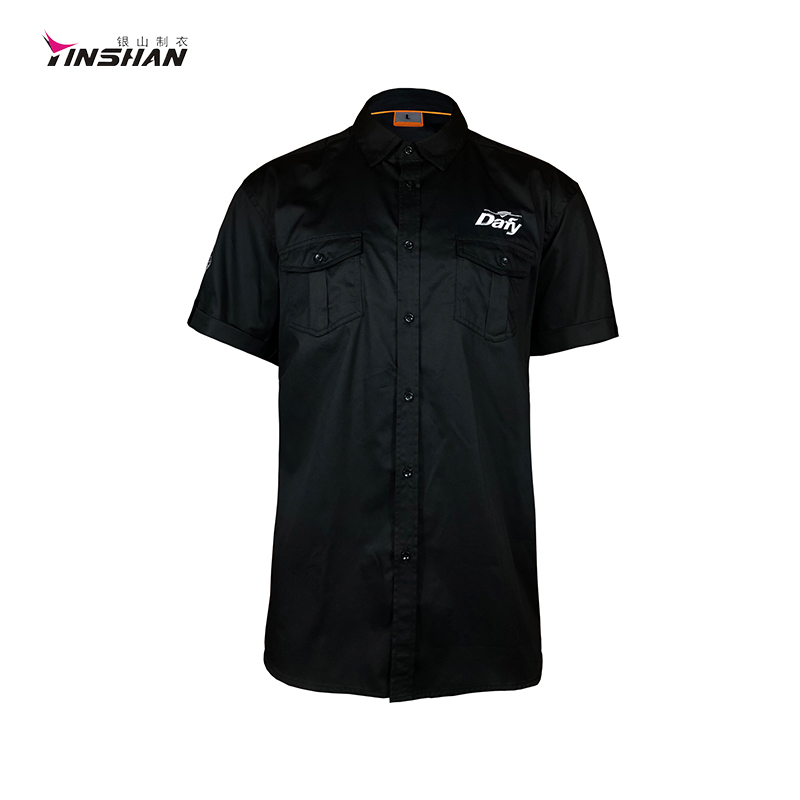
Approval happens on a physical sample, and that sample is what the production run is measured against.
Decide who it is for and what it costs, choose the fabric, plan the range, draw it, write it down, choose the method, sample it, approve it in writing, order it with the specification attached, and check it once more before cutting. Ten steps, in that order, is the whole method — and the last six are only possible because the first four were done properly.
Defining the wearer and how the garment will be used: who wears it, for how long, in what conditions and how often it is washed. Fabric, decoration and price all follow from those answers rather than the other way round.
Allow four to six weeks from confirmed brief to goods leaving the factory, plus transit, with sampling typically taking five to ten working days in a stock fabric. Design decisions that are still open when production starts are what extend the schedule.
If you ever intend to reorder, yes. The specification is what makes a repeat order identical, and it removes the re-sampling cost. It also gives the factory something concrete to produce against, which reduces the chance of a sample drifting from the brief.
Usually because the size curve does not match the buyer's customer, or because the decoration makes the garment one the customer will not wear outside its intended event. Fit, fabric and a wearable mark matter more to sell-through than the graphic.
Send the wearer, the use and the price band, and we will work through the ten steps with you — fabric, range, specification and decoration — and produce a sample before the bulk order.
 English
 Español
 Português
 Français
 Pусский
 Deutsch
 العربية