Most buyers judge a custom sportswear manufacturer on two things they can see: price and a photograph. Both are unreliable. The standard that actually predicts whether an order arrives correct is more mundane — whether the factory can repeat, in bulk, the garment it showed you in a sample.
This page sets out what that standard looks like in practice for an overseas buyer: what to check before you commit, what a real audit covers, and which signals separate a factory that manufactures from one that mainly resells.
Quick answer: The standard for a good custom sportswear manufacturer is repeatability. In practice that means four verifiable things: a documented sample approval process, fabric and trim traceability, an in-line and final inspection routine, and a named person who answers technical questions in writing. Price and catalogue photos do not predict any of them. If a supplier cannot describe its QC routine or tell you which fabric mill a quality came from, you are looking at a trading desk rather than a factory.
Sample discipline — the approved sample is recorded, photographed and kept as the reference for bulk.
Material traceability — the factory can name the fabric quality and the mill behind it, and can reorder the same quality for a repeat order.
Inspection routine — there is an in-line check and a final check against the sample, not only a look at the end.
Written communication — technical answers arrive by email or document, with names attached, so decisions are reviewable.
Everything else is secondary. A factory can have a large showroom, an impressive website and a low quoted price and still fail all four. Equally, a mid-sized workshop that passes all four is a safer supplier than a large one that passes none.
An audit is not a document. It is a walk through the building looking for whether the written procedure matches what is happening on the floor. If you are auditing remotely, ask for a live video walk rather than a video file, and ask to see the cutting table, the decoration area and the finished-goods area in that order.
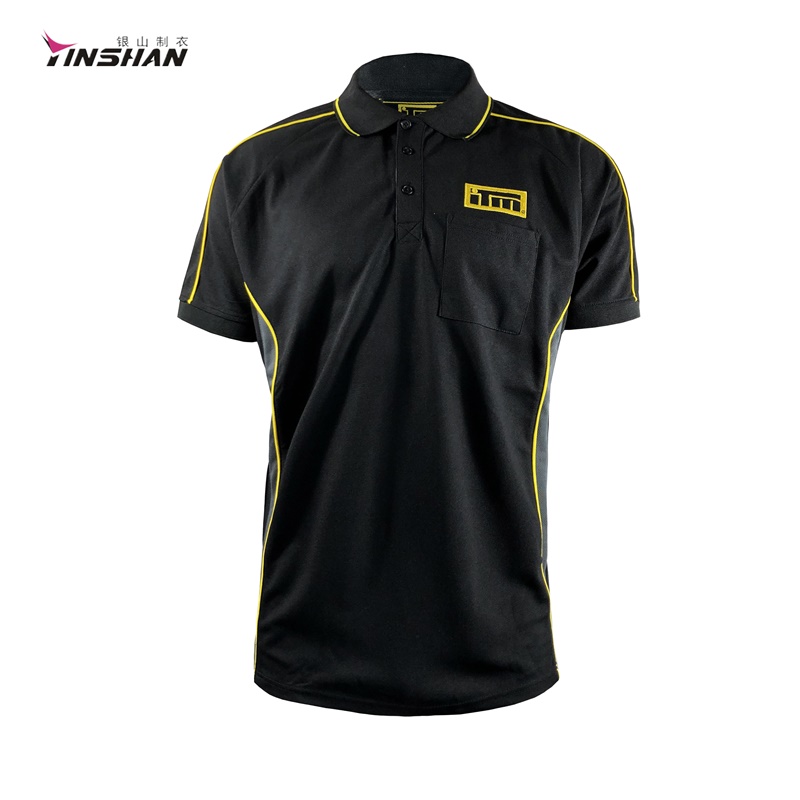
A factory that can hand you a signed-off sample and then repeat it exactly is the whole standard in one object.
| Area | What to look for | What a weak answer sounds like |
|---|---|---|
| Sampling room | Pattern files kept per customer, sample archive, measurement sheet | "We keep everything in the system" with no example shown |
| Cutting | Fabric laid to the approved marker, size breakdown visible at the table | Size breakdown confirmed verbally only |
| Decoration | Programmed artwork files named per order, test pieces kept | Operator redraws the logo from a photo each time |
| Sewing line | In-line check at each station, reject bin with a reason tag | Rejects removed quietly with no record |
| Final inspection | Approved sample physically present at the inspection table | Inspection by eye, no reference garment |
| Packing | Size labels and per-player bundles as specified | Cartons packed to weight, sizes mixed |
The single most useful question in an audit is to ask to see the approved sample for another customer's recent order. A factory that has one, on the table, with notes on it, runs a real process. A factory that has to go and find it is telling you something.
Fabric claims are where buyers get caught. Composition percentages, weight in GSM and finish should be stated in writing on the quotation, and the delivered goods should match. A tolerance of a few percent on weight is normal; a quality substituted for a cheaper one is not, and it is the most common quiet downgrade in the trade.
Trim deserves the same treatment. Zips, elastic, drawcords and thread are specified at sampling and should be listed on the order confirmation. If a zip was approved on the sample and a different zip family arrives in bulk, the order does not match its own specification. This is also why the fabric decision should be documented rather than described — the criteria are set out in selecting sportswear fabrics.
You do not need a laboratory to check most of what matters. You need the approved sample, a tape measure, and a washing machine.
Measure chest, body length and sleeve length on ten pieces from the bulk and compare with the size chart.
Wash one bulk piece and one sample piece together, then compare colour and shrinkage side by side.
Check decoration placement on the first and the last piece of the run, not only on the one you happen to open.
Pull lightly at the embroidery and the print edge; a well-set decoration does not lift on a light tug.
Physical testing to a defined method is the next level up, and is worth arranging when the order carries a customer specification. Our own sequence is described in sportswear fabric testing steps.

Stitch density, seam alignment and fabric weight are what an audit actually checks, and none of them show up in a catalogue photo.
The clearest early warning is how a supplier answers a question it does not like. Ask what happens if a shipment misses the vessel, or what the charge is for a second sample round. A manufacturer answers with a process and a number. A reseller answers with reassurance.
Lead times are the other tell. A factory knows its own capacity and can say which weeks are full. If every date is available and every quantity is welcome, the schedule is being sold rather than planned. The checklist in our 12-point manufacturer checklist is a reasonable way to score a shortlist before you place a trial order.

Finished-garment inspection against the approved sample is the last place a quality problem can be caught cheaply.
No sample archive and no written approval record.
Fabric described by feel rather than by composition and weight.
Inspection described as "we check everything" with no reference garment.
A price that is materially below every other quotation, with the fabric specification left blank.
Reluctance to name a single technical contact for the order.
Yes, and a live video call is worth far more than a recorded file. Ask to see the cutting table, the decoration area and final inspection in sequence, and ask for the approved sample of a recent order to be shown on camera.
Get the composition percentage, weight in GSM and finish stated in writing on the quotation, then compare the delivered goods against those figures and against the approved sample. A light-touch wash test reveals most substitutions.
A trading company can be useful for multi-category orders, but you should know which you are buying from, because the QC routine and lead-time statements come from the factory either way. Ask directly who manufactures and ask for the production address.
One style, one colourway and a moderate quantity is enough. The trial is not about price; it is about whether the sample is repeated in bulk and whether the documentation matches the goods.
Send us the specification you would use to judge a supplier and we will answer it point by point, including the parts we cannot claim. Quotations state fabric composition, weight and finish in writing.
 English
 Español
 Português
 Français
 Pусский
 Deutsch
 العربية