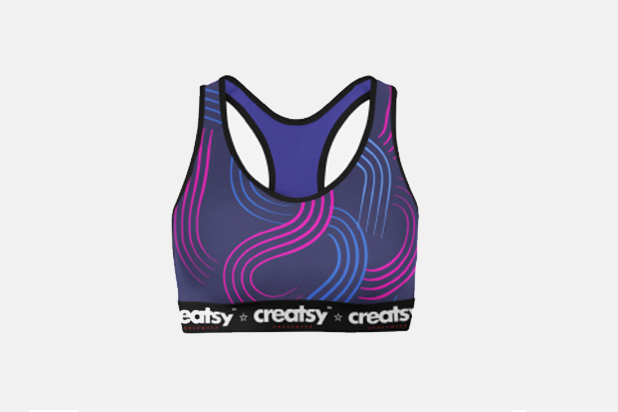
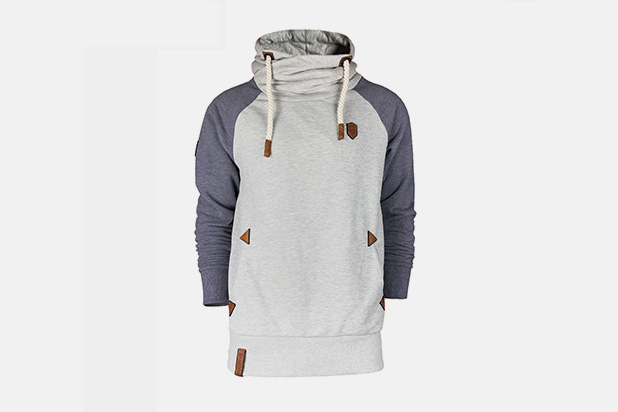
Sportswear is laundered more often than any other clothing, and most of it is worn out in the machine rather than on the field. Yet the care instruction is usually the last line on the label and the last thing considered when a kit is ordered.
This page sets out how to clean, wash and care for sportswear so that it lasts: temperatures, detergents, drying, and how to treat prints, embroidery and technical finishes. It is written for both the individual wearer and for a club or brand ordering kit in quantity.
Quick answer: Wash cool, wash inside out, use a normal detergent without fabric softener, and dry in the air or on a low heat. Cool washing protects elastane, colour and print; inside out protects the surface that shows; no softener keeps performance knits able to move moisture; and air drying prevents the heat damage that shortens a garment's life more than any other single factor. Sort by fabric, close zips and hooks, and never iron directly on a printed area.
Most people sort laundry by colour and stop there. For sportswear, fabric matters more, because the things that damage one garment type are often harmless to another.
Performance knits and technical pieces wash together, away from cotton towels and heavy fleece.
Heavy items such as hoodies and joggers should not tumble against light jerseys.
Zips, hooks and velcro should be closed or bagged, since they abrade everything they touch.
New, strongly dyed garments should be washed separately the first time.
Aggregation is the most common cause of unexplained damage: a garment emerges from a mixed load faded, pilled or with a pulled thread, and the cause is the item it was washed with rather than the garment itself.
Temperature is the single most influential variable, and the correct setting is lower than most people assume.
| Garment | Wash temperature | Cycle | Notes |
|---|---|---|---|
| Performance knits, sublimated kit | Cool, around 30°C | Synthetic or gentle | Heat degrades elastane and fixed dye |
| Cotton and cotton-rich | Cool to warm | Normal, inside out | Watch shrinkage on the first wash |
| Fleece and brushed fabrics | Cool | Gentle, inside out | Reduces pilling on the brushed face |
| Technical outerwear | Cool | Gentle, minimal spin | Re-proof after several washes if treated |
A cool wash is not a compromise on cleanliness. Modern detergents are formulated to work at low temperatures, and for a garment that will be washed dozens of times a season, the saving in fabric life is larger than the saving in energy.
Detergent choice matters for two different reasons: what it removes, and what it leaves behind.
Use a standard detergent at the recommended dose; more detergent does not clean better and rinses out less completely.
Avoid fabric softener on any performance knit, because it coats the fibre and blocks moisture transport.
Avoid chlorine bleach on coloured and elastane-containing garments, since it attacks both the dye and the fibre.
Avoid biological powders on wool and on technical finishes, where enzymes can damage the surface.
Softener is the most common self-inflicted failure in sportswear care. A garment treated with it feels pleasant in the hand and stops moving moisture, which defeats the purpose of the fabric.

Most sportswear is worn out by washing rather than by wearing, which makes the care instruction part of the specification.
Air drying is preferable for almost every sportswear garment. Where a dryer is used, a low heat setting and a shorter cycle preserve the garment far better than a full cycle at high heat.
Shake the garment out before hanging, so it dries in shape rather than creased.
Hang or lay flat, and keep printed areas out of direct strong sunlight.
Avoid hanging knitwear on a thin wire, which distorts the shoulder over time.
Use a low heat setting if a dryer is necessary, and remove the garment while slightly damp.
The practical test for whether a garment has been over-dried is how it feels: stiff, and it has lost more moisture than it should have. Repeated over-drying is the most reliable way to shorten the life of a knit.
Decoration is cared for differently depending on how it was applied, and the instruction should be confirmed at the ordering stage rather than assumed.
| Decoration | Main risk | Care |
|---|---|---|
| Sublimation | Very little; the dye is inside the fibre | Normal cool wash; the garment will wear out first |
| Screen print | Cracking where the ink film is stretched | Inside out, cool wash, no iron on the print |
| Heat-applied transfer | Lifting at the edges | Inside out, cool wash, low or no tumble drying |
| Embroidery | Distortion and colour bleed from the backing | Inside out, gentle cycle; iron around and not across |
The general rule across all methods is to turn the garment inside out and to keep heat away from the decorated area. Ironing directly onto a print is the fastest way to destroy it. The methods themselves are compared in custom sublimated polo shirts and embroidery in sportswear manufacturing.
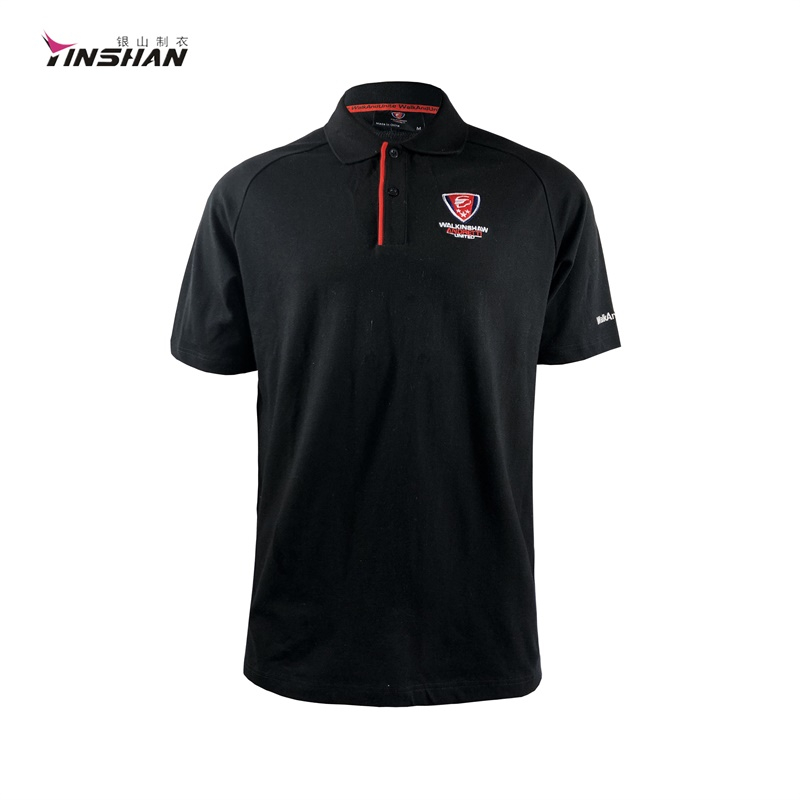
A collar that holds its shape after many washes comes from the knit structure and the finish, not from the price.
Water-repellent and stain-resistant finishes degrade with use and with the wrong detergent, and they can be restored rather than replaced.
Wash with a mild detergent and no softener, which leaves the finish intact.
Dry according to the garment, since some finishes are reactivated by gentle heat.
Re-proof a water-repellent garment once water stops beading on the surface.
Avoid repeated hot washes, which shorten the life of any surface treatment.
The finishes themselves, and how they behave in production, are described in protective fabric clothing. The testing that establishes how a fabric behaves before it reaches the customer is covered in sportswear fabric testing.
A club washes kit far more often than an individual washes personal clothing, and it usually washes it communally. That makes the care instruction a procurement decision rather than a label afterthought.
Specify the washing temperature and drying method with the kit, and put it on the garment label.
Choose decoration that survives the club's actual laundry process, which is usually a warm communal wash.
Avoid metallic and raised transfers on kit that will be tumble dried.
Keep a printed sample of the kit to test a change in laundry arrangements before a whole order is affected.
Where several orders are expected, keep the specification on file so later garments match the first.
The care instruction is also a commercial tool: a garment that survives its first season looks like value, and one that fades by November is blamed on the supplier regardless of how it was washed. Additional maintenance guidance for specific garment types is in taking care of sportswear and winter sportswear.

Club kit is washed far more often than personal clothing, so its care regime needs to be planned.
Cool, around 30°C, on a gentle or synthetic cycle. Heat degrades elastane, dulls colour and shortens the life of most decoration. A cool wash cleans effectively with modern detergent and preserves the garment for far more cycles.
No, particularly not on any performance knit. Softener coats the fibre and blocks the moisture transport the fabric was designed for, so the garment feels pleasant and stops working.
Turn it inside out, wash cool, avoid tumble drying at high heat, and never iron directly onto the print. Sublimated garments need the least care because the dye is inside the fibre, while screen prints and heat-applied transfers are the ones that crack or lift.
Set the wash temperature and drying method when the kit is ordered, choose decoration that survives a communal warm wash, avoid metallic and raised transfers on tumble-dried kit, and keep a sample to test any change in the laundry arrangements.
Tell us how the kit will be washed and dried, and we will recommend decoration and finishes that survive that routine, with the care instruction agreed and a printed sample kept on file.
 English
 Español
 Português
 Français
 Pусский
 Deutsch
 العربية