Sportswear is one of the few garment categories where material development is genuinely continuous. New fibres, new constructions and new finishes appear every season, and a proportion of them change what a garment can do rather than simply renaming what it already did.
This page looks at the materials that matter for activewear and fitness clothing: what each one actually delivers, where the marketing exceeds the substance, and how to evaluate a new material before committing a range to it.
Quick answer: Four families have changed production practice rather than only the label. Recycled polyester, now a mainstream option produced at scale. Bio-based polyamides, which move the feedstock away from oil. Functional additives such as graphene, ceramic or mineral particles, which are blended into a yarn to change how it handles heat. And phase-change and membrane-free water-repellent systems, which deliver regulation and protection without a coating. Each has a real property and a real cost; the evaluation question is always the same — which property is being improved, by how much, and measured how.
Recycled polyester from post-consumer bottles is no longer experimental. It is produced at scale, it performs like virgin polyester in most applications, and it is specified routinely in teamwear and activewear. The differences that remain are practical rather than technical.
Colour and lot consistency can be slightly harder to control than virgin fibre, so the physical colour standard matters more.
Availability by count and by denier is narrower than the virgin market, which constrains some constructions.
Chain-of-custody documentation adds administrative work per order.
The premium over virgin fibre moves with the recycled feedstock market, not with oil.
For a brand making a sustainability claim, the documentation is the point. A claim without traceable supply is a risk rather than an asset, and the standards involved are set out in the guide to ethical and sustainable sportswear.
Polyamide — nylon — has traditionally come from petrochemical feedstock. Bio-based routes derive part of the polymer from plant sources, most commonly castor oil. The attraction is that the performance of nylon, its stretch recovery and its abrasion resistance, is retained while the feedstock changes.
| Material | What it is used for | Main trade-off |
|---|---|---|
| Recycled polyester | Jerseys, tees, allover sublimated kit | Narrower availability by count; documentation per order |
| Bio-based polyamide | Stretch knits, leggings, swim, technical outer | Cost, and confirming the bio-content share rather than assuming it |
| Polyester and elastane blends | Fitted training pieces needing recovery | Elastane supply concentration drives price volatility |
| Mechanical stretch fabrics | Fitted pieces without elastane | Lower recovery, but fewer supply and recycling complications |
The question to ask about any bio-based claim is what share of the polymer is bio-derived. A fabric described as bio-based can contain a small percentage, and the useful number is the percentage, not the word.

A new material is only worth adopting if it improves something the wearer can feel or the order can measure.
The fastest-moving area is additives blended into a yarn to change how the finished fabric behaves. Three groups are worth understanding.
Mineral and ceramic additives. Particles such as jade, mica or ceramic compounds are blended into the yarn with the aim of improving how quickly heat is conducted away from the skin. The effect is real but modest, and easiest to demonstrate in a blind wear test.
Graphene and carbon-based additives. Claimed to improve thermal conductivity, durability and sometimes anti-static behaviour. The performance depends heavily on the loading and the dispersion quality, which is where suppliers differentiate.
Phase-change materials. Micro-encapsulated waxes that absorb and release heat across a narrow temperature band. Useful in a narrow range of conditions, less so as a general claim; the number of wash cycles the capsules survive is the critical specification.
The general rule with additives is that they should be specified with a measurable property and a test method. A fabric described as cooling is a marketing statement; a fabric with a stated thermal resistance measured by a named method is a specification.
The other half of material innovation is surface treatment, and it has moved in a clear direction: away from coatings that sit on the fabric and towards finishes that are built into it.
Membrane-free water repellency, achieved through yarn structure and finish rather than a laminated membrane, which keeps the fabric breathable.
Durable water repellent finishes without long-chain fluorocarbons, which is now the default requirement in most markets.
Stain and oil resistance built into the fibre rather than applied on top, which lasts longer through washing.
Brushed and raised inner surfaces for thermal pieces, which raise warmth without adding weight.
Because these finishes behave differently in production, they need to be tested on the finished garment rather than on the fabric roll — the specification practice is set out in protective fabric clothing and sportswear fabric testing.
Not all material change happens in the fibre. Engineered knitting places different structures in different zones of one garment — open mesh where ventilation is needed, a denser knit where support is needed — in a single piece with fewer seams.
Fewer seams, which removes chafe points on fitted garments.
Zonal ventilation without adding panels or weight.
Material efficiency, because the garment is knitted near to shape rather than cut from a wide roll.
A higher minimum, because each size needs its own knitting programme.
The trade-off is usually the minimum order and the sampling cost rather than the fabric price. For a brand with a stable size curve and a repeatable best-seller, it is often worth it; for a first range, it usually is not.
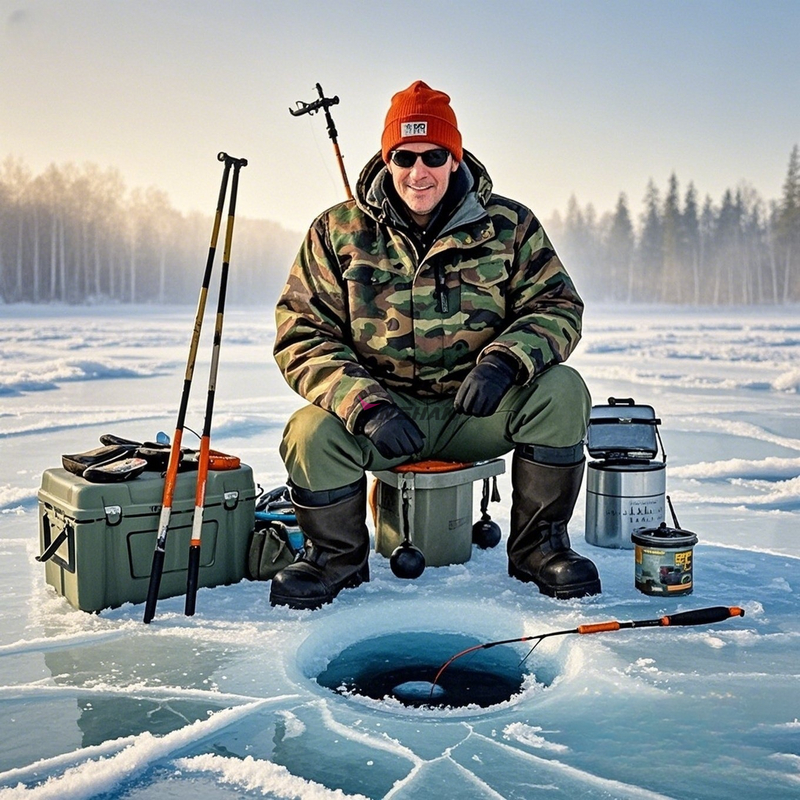
Outer fabrics carry most of the material innovation, because protection is where the performance gap is widest.
A single evaluation sequence avoids most of the expensive mistakes.
Name the property being improved, and how it will be measured.
Obtain the test data for the fabric, on a named method rather than a general claim.
Ask what happens to that property after a stated number of wash cycles.
Compare the hand-feel of the new fabric against the current one, since a technically better fabric that feels worse will not sell.
Establish minimums, lead time and premium before designing around it.
Confirm what documentation comes with the order, and what it costs.
The fourth step is the one most often skipped and the one that decides commercial success. Wearers buy on feel; a material has to be both better and acceptable to the hand. The broader fibre selection logic is in selecting sportswear fabrics, and the recycled options in more detail in sustainable natural and organic fabrics.

Recycled content is now a mainstream option rather than a niche one, at a premium and with its own documentation.
Recycled polyester, now mainstream and produced at scale; bio-based polyamides that move the feedstock away from oil; functional additives such as mineral, graphene and phase-change particles blended into yarn; and finishes built into the fabric rather than applied as a coating.
In most teamwear and activewear applications, yes technically. The practical differences are narrower availability by count and denier, slightly harder lot-to-lot colour control, per-order documentation and a premium that moves with the recycled feedstock market.
The property being improved and how it is measured, the test data on a named method, how the property holds up after a stated number of washes, the hand-feel against the current fabric, and the minimum, lead time, premium and documentation the material brings with it.
They have real but narrow effects. Mineral and ceramic additives conduct heat modestly and are best verified in a blind wear test; phase-change materials work across a limited temperature band and should be specified with the number of wash cycles the capsules survive.
Send the property you need to improve and how you will measure it, and we will propose fabrics from recycled, bio-based and finish-led platforms with test data, wash performance and samples before you design the range around them.
 English
 Español
 Português
 Français
 Pусский
 Deutsch
 العربية