Fabric selection is the decision that determines most of what a buyer notices about a finished garment: how it feels, how it wears, how it washes and what it costs. It is also the decision most often made from a photograph or a single word like "breathable", which is why orders sometimes arrive technically correct and commercially wrong.
This page explains how fabric is actually chosen at a Chinese custom sportswear factory — the parameters that matter, the trade-offs each one carries, and how the choice interacts with decoration and cost.
Quick answer: Sportswear fabric is selected on five parameters: fibre composition, weight in GSM, knit or weave structure, stretch and recovery, and finish. Composition sets the hand feel and how moisture is handled; weight sets the substance and warmth; structure sets breathability and shape retention; stretch sets the fit tolerance; finish sets the specific performance claim. Nothing is free — a heavier fabric lasts longer but dries more slowly, and a lighter one breathes better but shows more of the body. Pick the two parameters that matter most for the sport and accept the compromise on the rest.
| Parameter | What it controls | Typical range for sportswear |
|---|---|---|
| Fibre composition | Hand feel, moisture handling, durability | 100% polyester, poly/cotton blends, cotton/spandex, recycled polyester |
| Weight (GSM) | Substance, warmth, opacity, drying time | 140–180 GSM for tees, 180–260 for polos and hoodies |
| Knit structure | Breathability, stretch direction, shape retention | Single jersey, pique, interlock, mesh panels |
| Stretch and recovery | Fit tolerance across body shapes, sag resistance | Elastane from 5% upwards, or mechanical stretch |
| Finish | Performance claim: moisture, odour, water repellency | Wicking, anti-odour, durable water repellent |
Buyers usually arrive with two of these already fixed — the sport and the budget. That leaves three to negotiate, and the fastest way to do it is to name the single behaviour you cannot compromise on and price the alternatives against it.
Polyester dominates technical sportswear because it moves moisture to the surface and dries quickly, and because it holds sublimated colour. It is also the fibre family where recycled content is now quoted as standard alongside virgin.
Cotton enters the picture where feel and everyday wear matter more than drying speed — casual sportswear, corporate apparel, some teamwear for cooler markets. Its weakness is that it holds water and stretches at the neck and hem under load, which is why cotton-rich sportswear usually carries a small elastane content. The case for cotton in this category is set out in why cotton is a popular sportswear fabric.
100% polyester — best moisture movement and print compatibility, lowest cost, least natural feel.
Polyester with elastane — adds recovery, suits fitted garments and multi-size tolerance.
Cotton with elastane — best hand feel, slower drying, chosen for casual and corporate wear.
Poly/cotton blends — compromise on both counts, common in workwear and event apparel.
Recycled polyester — same performance family as virgin, with certification to arrange.
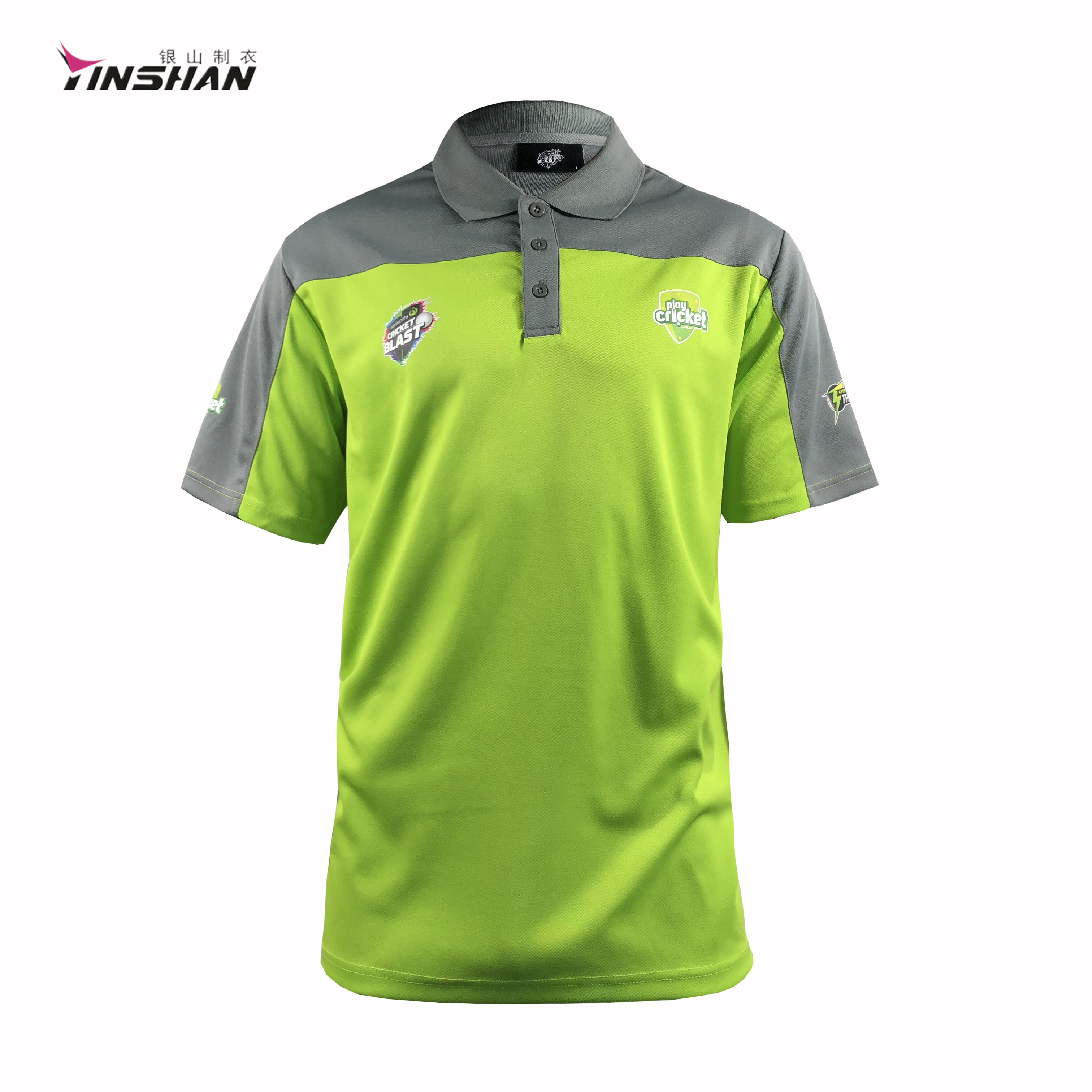
Two fabrics at the same weight can behave completely differently once yarn and knit structure differ, which is why weight alone is a poor guide.
GSM is the most quoted and least informative number on a fabric specification. It tells you how much fibre is in a square metre, which correlates with substance, opacity and warmth. It says nothing about how the fabric moves moisture, how it recovers, or how it will feel after ten washes.
Two fabrics at 160 GSM can differ in drying time by hours depending on yarn and structure. Use GSM to place a fabric in a category — light training knit, mid-weight polo, heavier hoodie — and then ask separately about moisture handling and shrinkage.
Knit structure decides how air and moisture move through the garment and in which direction it stretches. A single jersey stretches in one direction, a pique holds shape better under a collar, and an interlock is more stable in both directions. Panels matter too: a mesh side panel changes ventilation far more than a small change in weight.
Stretch is what lets one size cover more bodies, which is why a small elastane content often reduces returns on a direct-to-consumer range. Finish is the level at which specific performance claims are made, and each claim carries a test method and, usually, a washing instruction. Water repellency and protective finishes sit at the technical end of this spectrum and are covered in waterproof, oil-proof and stain-proof fabric clothing.
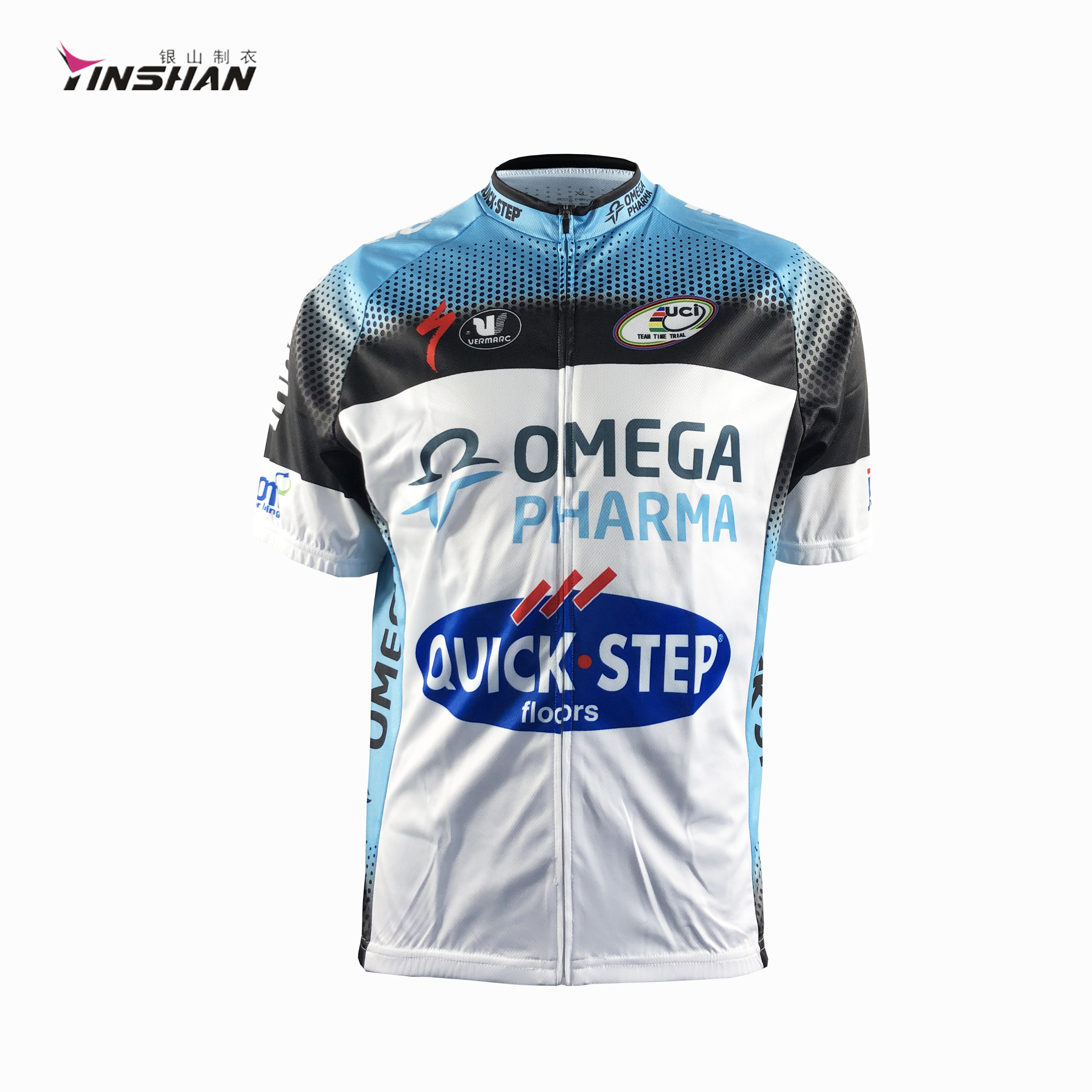
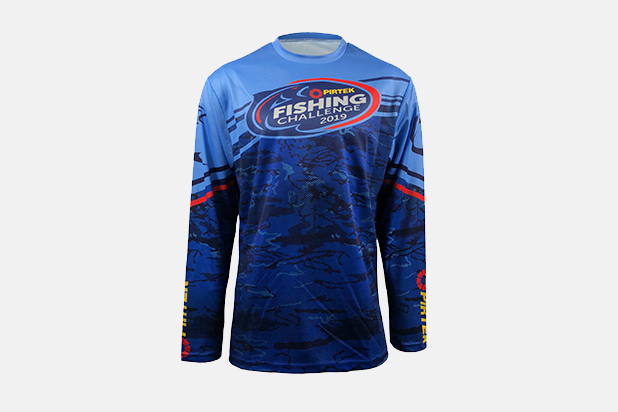
Sublimated fabric is printed before it is cut, so colour and panel decisions move earlier in the process than most buyers expect.
Decoration and fabric are not independent decisions. Sublimation only works on polyester, because the dye has to bind with the fibre, so a cotton-rich garment cannot carry a full-colour allover print by that method. Embroidery behaves differently again: it is stable on a firm knit and can pucker a very light one, which is why backing and stitch density are specified together with the fabric.
The practical consequence for a buyer is sequencing. Choose the fabric before finalising the artwork, not after, because the fabric decides which decoration methods are available. The decoration side of the same decision is covered in digital printing and sublimation.
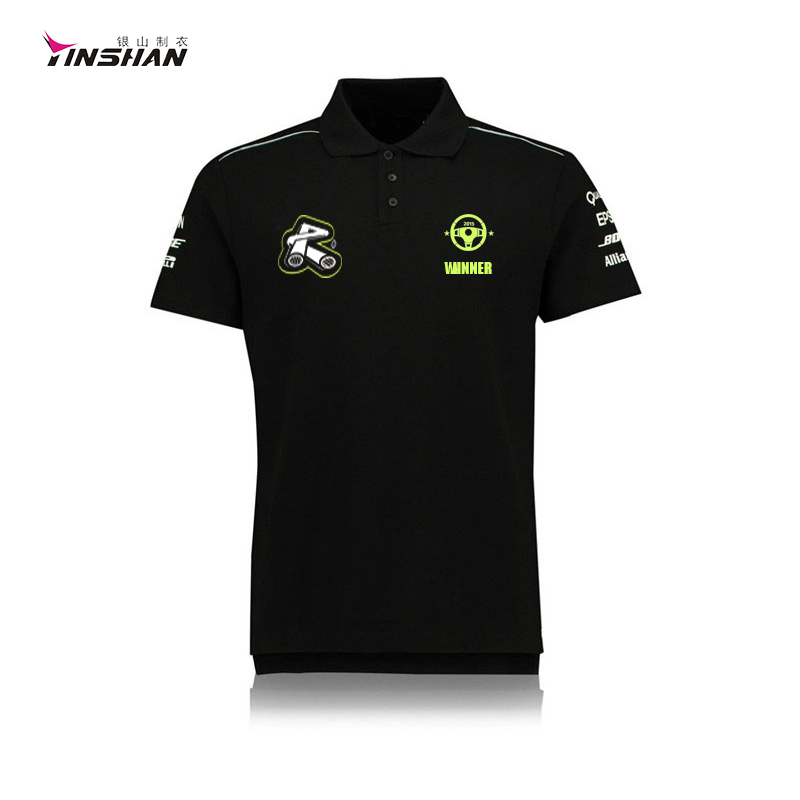
Knit structure decides how a garment breathes and how it holds its shape, long after the colour decision has stopped mattering.
Team field sports — mid-weight polyester or poly blend, mesh panels, sublimation for multi-colour kit.
Running and cycling — light knit, high wicking, high stretch, close fit and long zip where needed.
Gym and training — mid-weight with elastane for recovery, anti-odour finish where wear cycles are long.
Winter and outdoor — layered construction, softshell or bonded fleece, weather-resistant outer finish.
Casual and corporate — cotton-rich or blend, firmer knit to hold a collar and carry embroidery.
Casual-wear fabric has its own set of trade-offs, set out in choosing fabrics for casual wear, and the winter end of the range is covered in custom winter sportswear.
There is no single answer. Light training tees commonly sit around 140–160 GSM, mid-weight performance tees and polos around 160–200, and hoodies from 200 upwards. Choose the band that matches the season and the sport, then ask about moisture handling separately.
It moves moisture to the surface and dries quickly, it is durable, it takes sublimated colour, and it is the fibre family where recycled content is now quoted as standard. Its weakness is hand feel, which is why blends exist.
Yes, particularly for casual and corporate sportswear, and usually with a small elastane content so the garment recovers instead of stretching at the neck and hem. It is a poor choice where drying speed matters most.
Make sure both state composition, weight, structure and finish, then compare like for like. If one quotation omits the finish or the trim list, the cheap price is not comparable — it is a different garment.
Send the sport, the season and the price band you are working to and we will shortlist two or three fabric qualities with their composition, weight and finish stated, plus a sample piece before you commit.
 English
 Español
 Português
 Français
 Pусский
 Deutsch
 العربية