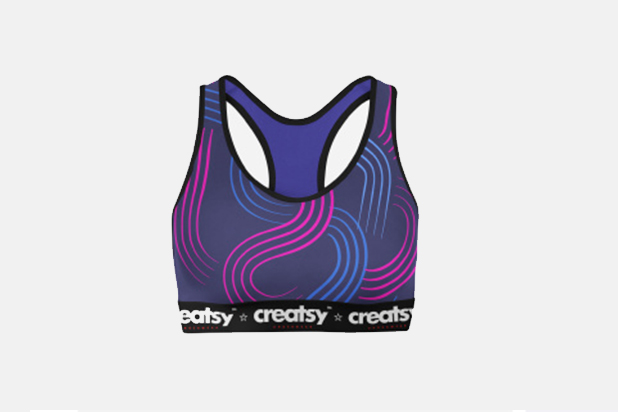
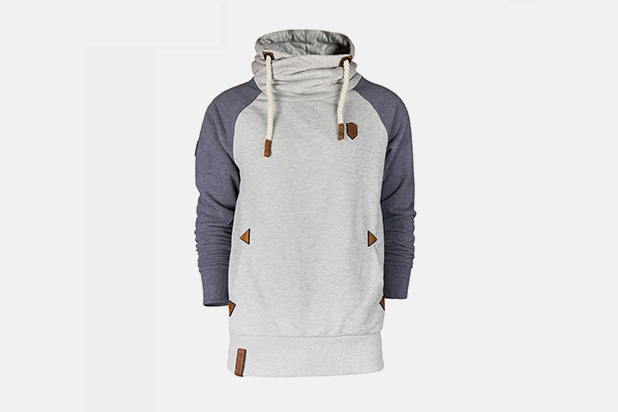
Knit sportswear is the most familiar and the most misunderstood part of the category. Buyers specify "a classic knit polo" or "a knitted jersey" and receive something that satisfies the words but not the intention, because knit is not one fabric — it is a family of structures, each with its own weight, stretch, breathability and shrinkage behaviour.
This guide is for brand owners, product developers, buyers and distributors working with knitted sportswear. It covers the main knit structures, how yarn count and fabric weight relate to each other, why shrinkage is the most common complaint, and how different knit structures accept decoration.
Quick answer: knit structure and fabric weight decide everything that follows — how the garment breathes, how it stretches, how it hangs and how much it will shrink. Specify the structure, the yarn count and the weight in grams per square metre, confirm the shrinkage allowance on a sample, and choose the decoration method that suits the knit rather than the reverse.
For how knit garments fit and hang on the body, see our guide to fits and silhouettes, and to see the finished garments browse our custom sports teamwear range.
| Structure | How it behaves | Typical use | Notes |
|---|---|---|---|
| Single jersey | Light, smooth, moderate stretch | T-shirts, lightweight tops | Curls at cut edges; needs a proper finish |
| Piqué | Textured surface, breathable, holds shape | Polos, structured tops | The classic polo structure |
| Interlock | Two-sided, stable, smooth on both faces | Premium tees, fitted tops | Less stretch than single jersey |
| Rib | Highly elastic, textured vertical lines | Cuffs, collars, waistbands | Recovery is the quality indicator |
| French terry | Looped back, mid weight, soft | Sweats, warm-up tops | Good drape at moderate weight |
| Fleece / brushed back | Warm, soft interior, bulky | Hoodies, winter ranges | Check pilling performance |
| Jacquard | Pattern knitted into the fabric | Premium tonal designs | No print required; higher cost |
| Mesh | Open structure, high breathability | Ventilation panels | Low opacity; usually an insert |
The most common specification error is treating these as interchangeable. A piqué polo and a single jersey top are not the same garment in a different structure — they differ in weight, drape, breathability and how they accept decoration.

Knit structure decides how a garment breathes, stretches and holds its shape — before colour or branding is considered.
Two numbers describe a knit fabric more usefully than any adjective: the yarn count and the fabric weight in grams per square metre. Both should be recorded, because they are what a reorder has to match.
| Fabric weight | Perceived as | Typical use | Considerations |
|---|---|---|---|
| 130–160 gsm | Light | Performance tees, singlet | Check opacity on pale colours |
| 160–200 gsm | Mid-light | Standard tees, polo shirts | The most versatile band |
| 200–240 gsm | Mid | Premium tees, structured polos | Holds shape well |
| 240–300 gsm | Heavy | Sweats, warm-up tops | Check drape and drying time |
| 300–400 gsm | Very heavy | Premium hoodies, winter | Higher cost and longer drying |
Yarn count and weight are related but not identical. A finer yarn produces a lighter, smoother fabric; a coarser yarn produces a heavier, more textured one. Two fabrics at the same weight can therefore feel completely different, which is why weight alone is not a complete specification. Where hand-feel matters, ask for a physical swatch as well as the numbers.
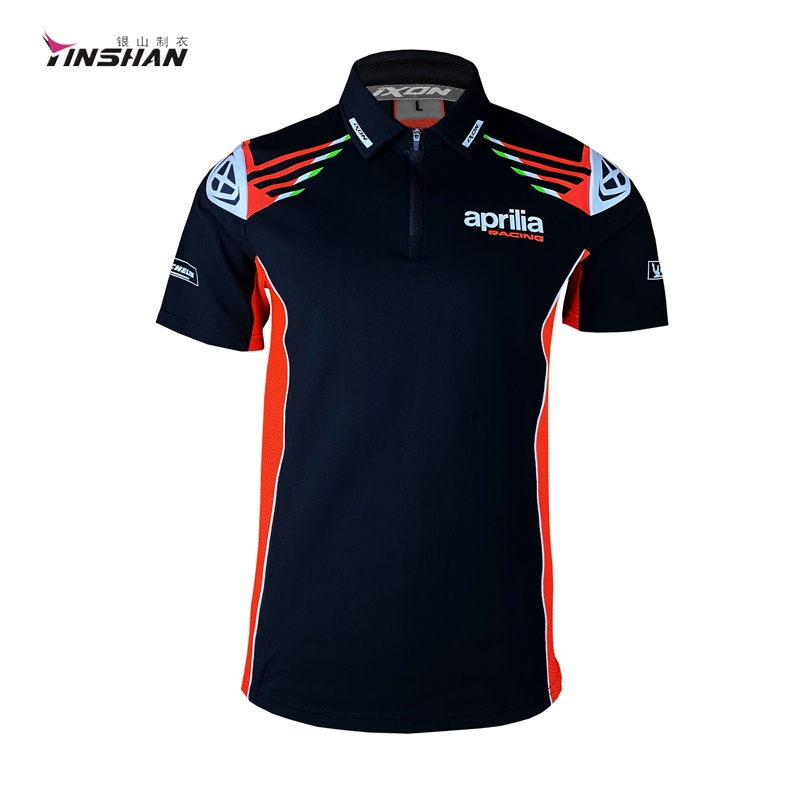
Rib cuffs, collars and hems are part of the knit plan, not trims added afterwards, and they decide how the garment wears.
Shrinkage is the most common complaint about knitwear and the easiest to prevent, provided it is addressed at specification rather than after delivery.
Ask for the shrinkage figure. Cotton and cotton-blend knits in particular will shrink unless the fabric is pre-shrunk or the pattern allows for it.
Decide who absorbs it. Either the fabric is pre-shrunk, or the pattern is cut with a shrinkage allowance, or the garment is specified as "size after wash". Whichever route is chosen should be recorded.
Wash at the stated temperature. Shrinkage depends on the wash cycle. A garment washed hotter than the test conditions will shrink more than specified.
Check different components separately. Body fabric, rib trims and any woven elements may shrink at different rates, which distorts the garment after washing.
Test on the sample. Wash the pre-production sample at the intended care temperature and re-measure it against the size chart.
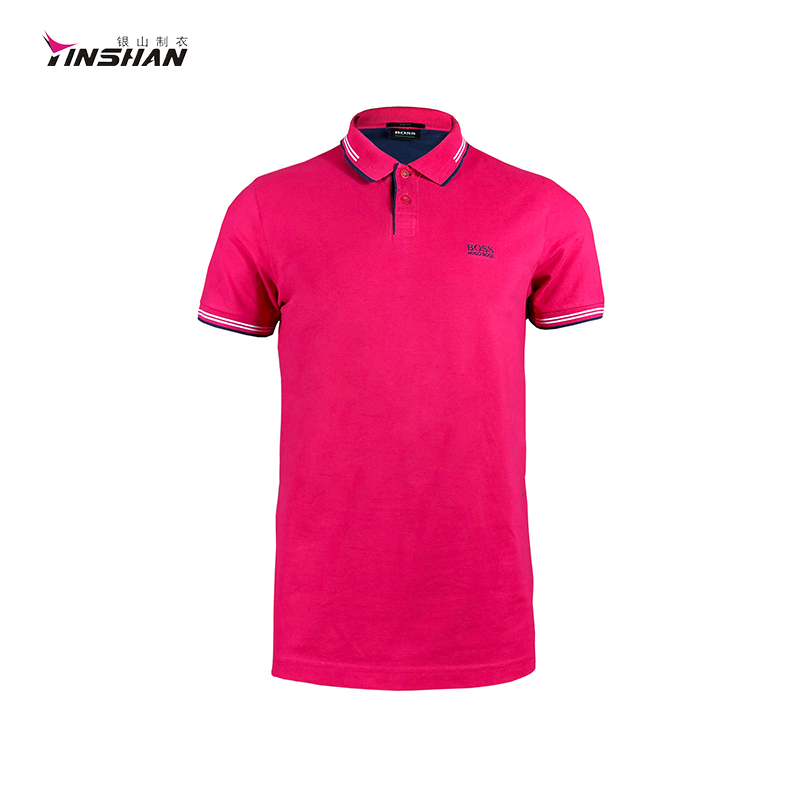
Shrinkage is the most common complaint about knitwear, so the wash test on the sample is not optional.
| Decoration | Works well on | Needs care on | Note |
|---|---|---|---|
| Embroidery | Piqué, interlock, fleece, sweatshirt | Fine single jersey, mesh | Backing must suit the fabric weight |
| Screen print | Cotton-rich jersey, piqué | High-stretch rib | Ink must match the fabric's stretch |
| Heat transfer | Most knits | Highly elastic areas | Check adhesion after a wash test |
| Sublimation | Polyester knits | Cotton and blends | Requires a polyester base |
| Jacquard pattern | Any suitable knit | Very fine structures | Pattern lives in the fabric, so it cannot wear off |
| Woven label or patch | All knits | Very light fabrics | Adds structure; useful on lightweight knits |
A practical point for knitwear: decoration should be planned around the areas that stretch most. A dense embroidered logo on a highly elastic rib area will pucker, and a stiff print on a stretch knit will crack. Placing decoration on stable areas and using methods that match the fabric's elasticity prevents both.
Specifying "a knit" without the structure. Jersey, piqué, interlock and rib are different products.
Recording weight but not yarn count. Two fabrics at the same weight can behave very differently.
Ignoring shrinkage. It is the leading cause of size complaints in knitwear.
Mixing components with different shrinkage rates. Rib trims and woven elements can distort the garment.
Choosing decoration that fights the fabric's stretch. Print and embroidery crack or pucker on elastic areas.
Skipping the wash test. Shrinkage and decoration durability only appear after laundering.
Single jersey is smooth and light with moderate stretch. Piqué has a textured, dimpled surface that is more breathable and holds its shape better, which is why it is the classic polo shirt structure.
Knitted cotton and cotton blends relax and contract when washed, particularly at higher temperatures. Shrinkage is controlled either by pre-shrinking the fabric or by cutting the pattern with an allowance, and the chosen approach should be recorded in the specification.
Most programmes use a piqué in the 180–220 gsm range. Lighter weights suit warm climates and summer ranges; heavier weights hold shape better and read as more premium.
Only if the knit is polyester-based. Sublimation requires a suitable synthetic substrate, so cotton and high-cotton knits are decorated by print, heat transfer or embroidery instead.
Knitwear rewards a precise specification. Choose the structure, record the yarn count and the weight in grams per square metre, agree how shrinkage will be handled, and match the decoration to the knit. Then confirm everything on a wash-tested sample.
Send Yinshan Sportswear your garment list, knit and fabric preferences, artwork, estimated quantity and target date to request a custom quote.
 English
 Español
 Português
 Français
 Pусский
 Deutsch
 العربية