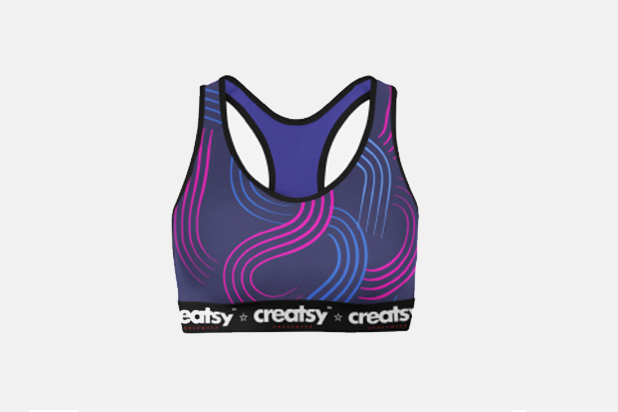
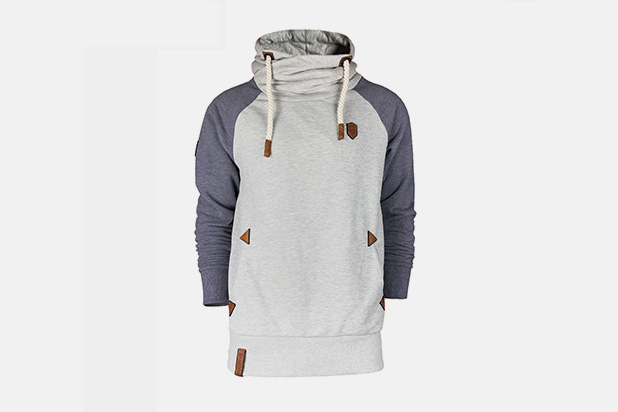
Ordering team kit is a logistics exercise with a design component, not the other way around. Most problems clubs experience are not about the design at all: they are about a player whose size was missed, a number that was duplicated, a reorder that arrived in a slightly different shade, or a warm-up order placed too late for the first fixture.
This guide is for clubs, schools, universities and the brands and distributors that supply them. It covers what a complete kit list includes, how to allocate sizes from a squad list, how to manage names and numbers, and how to run reorders so the kit stays consistent across seasons.
Quick answer: build the kit from a written list rather than a single garment, reconcile the squad roster against the size chart before ordering, plan names and numbers as a separate print or embroidery job with its own lead time, and agree the reorder process with the factory at the same time as the first order. Most kit failures are data failures, not design failures.
If you are planning a club order, start from our custom sports teamwear range, and see our guide to striped sports pants for the lower half of the kit.
Most clubs order from a predictable list. Writing it down at the start prevents the late, urgent order that costs more than the original item.
| Item | Who receives it | Typical quantity driver | Notes |
|---|---|---|---|
| Match shirt | Playing squad | Squad size plus spares | Names and numbers usually apply |
| Match shorts | Playing squad | Same as shirts | Check the size distribution differs from shirts |
| Socks | Playing squad | Two pairs per player is common | Often treated as a consumable |
| Goalkeeper kit | Specialist positions | Small numbers | Must be distinguishable from both teams |
| Training wear | Whole squad | Higher than match kit | Worn far more often than match kit |
| Warm-up and travel | Whole squad and staff | Cohort plus staff | Usually the first reorder category |
| Coaching and staff | Non-playing staff | Small numbers | Often polos or outerwear rather than playing kit |
| Supporters and merchandise | Members and public | Demand driven | Treat as a separate commercial line |
Writing the list also reveals where the volume actually sits. For most clubs, training and travel wear outsells match kit in units, even though match kit carries the visible identity. Buyers who plan only the match kit end up reordering the rest urgently at a worse price.

A team kit is a list, not a single garment: shirt, shorts, socks, warm-up and training wear each carry their own specification.
Size allocation is where most club orders develop their first fault. The procedure below avoids the common errors.
Collect sizes from every player in writing. Verbal or assumed sizes produce the wrong distribution almost every time.
Use the factory's size chart, not generic sizing. A size chart is specific to the garment and the block, so a medium in a training top may not be a medium in an outerwear piece.
Handle the extremes separately. Very small and very large sizes should be flagged and ordered individually rather than fitted into the general distribution.
Add spares in the middle sizes. Spares are most useful where the squad is concentrated, and a few mid-size spares resolve most late replacements.
Separate playing squad from staff. Staff sizes differ and should be ordered as a separate line.
Record everything. Keep the size allocation with the order record so the next season starts from data rather than memory.

Names and numbers are ordered to a squad list, so the roster and the size chart have to be reconciled before production.
Personalisation is a separate production job with its own artwork, lead time and approval requirements.
| Aspect | What to settle | Why it matters |
|---|---|---|
| Method | Heat transfer, sublimation or embroidery | Determines cost, lead time and how the detail wears |
| Number placement | Back centre, and front or sleeve if used | Placement affects legibility and the panel layout |
| Name font and case | Capital or lower case, and spelling | Spelling errors cannot be corrected after production |
| Number style | Font, outline and fill colour | The style must stay readable at distance on the kit colour |
| Duplicate check | Squad numbers must be unique within the squad | Duplicate numbers are the most common kit error |
| Roster deadline | The date by which the final list is fixed | Late roster changes delay the whole order |
Two practical rules save a great deal of difficulty. First, read the roster aloud and check numbers for duplicates before submitting, because no production process can fix a squad list error. Second, collect spelled-out names from each player rather than assuming a spelling, particularly where names are transliterated or uncommon.

Warm-up and travel pieces are usually the first reorder items, which is why they belong in the original specification.
Team kit is bought once and reordered repeatedly, and the reorder is where consistency is won or lost. The measures below should be agreed at the time of the first order, not afterwards.
Record the full specification. Fabric weight and composition, colour references, decoration method, artwork files and the size chart all need to be on file.
Ask the factory to hold the specification. Confirm how long the specification, colour references and fabric are held, so a reorder reproduces the kit exactly.
Set a reorder window. Ask for the lead time on a repeat size run, so replacements and mid-season additions can be planned.
Keep the design archive. Artwork, number fonts and placement charts should live with the club, not only at the factory.
Plan for new players. Most clubs need a small number of individual shirts mid-season; confirm that single-unit personalisation is available and at what cost.
Note fabric continuity. Where a fabric may be discontinued, ask what the substitute would be and how closely it matches.
Starting from the design rather than the kit list. The design is one input; quantities and sizes decide the order.
Assuming sizes from memory. Collect sizes in writing and reconcile them against the size chart.
Submitting the roster late. Names and numbers cannot be produced until the list is final.
Duplicate squad numbers. A roster check before submission prevents the most common kit error.
Ignoring training and travel wear. These outsell match kit in units and are usually reordered first.
Not recording the specification. Without it, the reorder will not match, and the club will notice.
Allow enough time for sampling, roster finalisation and production before the first fixture. Personalisation with names and numbers adds a separate production stage, so the roster deadline matters as much as the order date. Confirm the timeline with the factory on the first order and keep it for reference.
Concentrate spares in the mid sizes where the squad is largest, and include a small number of goalkeeper and staff items. A few mid-size spares resolve most late replacements without holding stock across the whole size range.
Usually yes, provided the specification and artwork are on file and the fabric is still available. Confirm the minimum quantity and lead time for single-unit personalisation when the main order is placed, so expectations are set in advance.
The factory should propose the closest available substitute and confirm how it differs. Where a fabric may be discontinued, ask at the time of the first order so the club can decide whether to hold stock.
Team kit is a data problem before it is a design problem. Write the kit list, collect sizes in writing, finalise the roster early, and agree the reorder process with the factory at the same time as the first order.
Send Yinshan Sportswear your kit list, squad sizes, artwork, quantity, target date and delivery country to request a custom quote.
 English
 Español
 Português
 Français
 Pусский
 Deutsch
 العربية