Independent designers and young sportswear brands face a particular problem. They have a clear product vision and a customer who wants it, but they are working with a manufacturer for the first time, often on a modest quantity, and the language of production is not the language of design. Most of the difficulty that follows comes from that gap rather than from capability on either side.
This guide is for designers, emerging brands, creative directors and the sourcing staff who support them. It covers what a manufacturer needs in order to produce accurately, how sampling rounds actually work, how to develop labels and packaging, and how to make reorders possible so a first collection becomes a business.
Quick answer: a manufacturer can produce anything that is fully specified. That means a complete tech pack, agreed samples, a defined size chart and settled labels and packaging. Expect two to three sampling rounds for a new garment, plan the reorder specification before the first order ships, and never assume that a design intent is understood — write it down.
When your pack is ready, send it through our custom requirement form, and for the research side of range building see our guide to how sportswear trends are researched.
The tech pack is the document that turns a design into something a factory can make. A complete pack removes the need for interpretation, which is where cost and delay come from.
| Section | Contents | If it is missing |
|---|---|---|
| Technical drawings | Front, back and detail views with all seams and trims | Panel layout and trim placement are guessed |
| Measurements | Points of measure with targets and tolerances per size | The size cannot be reproduced between runs |
| Fabric specification | Composition, weight, stretch, and reference numbers | Hand-feel and behaviour will not match intent |
| Colour references | A reference or swatch for every colour, including trims | Colours will not match across materials |
| Decoration | Method, dimensions in millimetres and placement | Logos arrive in the wrong size or position |
| Construction notes | Seam types, stitch colours, hem finishes | Cost and appearance are decided by default |
| Labelling and packing | Care, size and main labels; folding and cartons | The finished product cannot be sold as intended |
| Quantity and sizes | Units per size, colour and style | Minimums and pricing cannot be confirmed |

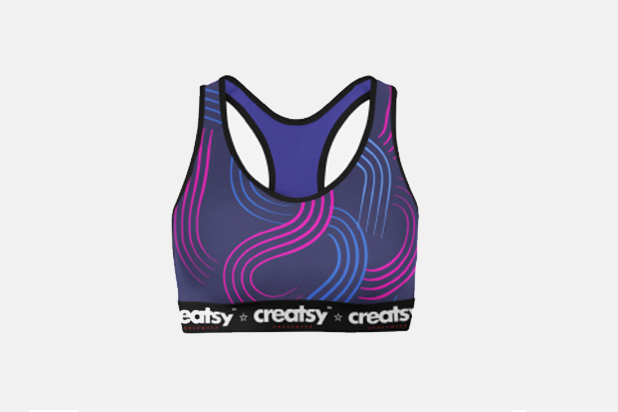
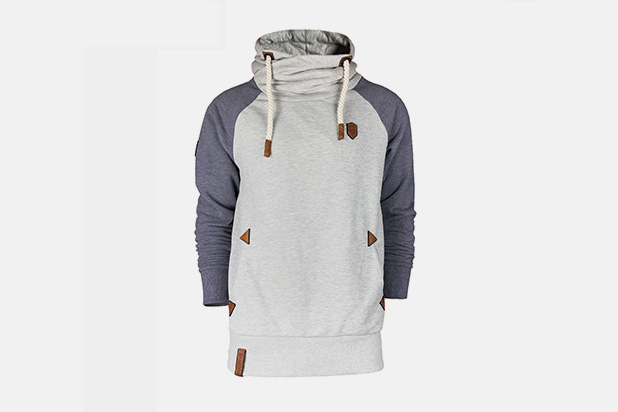
Designer ranges are built from a tech pack: the drawing, the specification and the measurements are what the factory works from.
| Round | Purpose | What to review | Typical outcome |
|---|---|---|---|
| Development sample | Translate the pack into a physical garment | Block, proportion, fabric suitability | Amendments to pattern or fabric |
| Revised sample | Confirm the amendments | Fit, measurements, decoration placement | Minor corrections or approval |
| Pre-production sample | Confirm the garment as it will be produced | Colour, finish, labels, wash performance | Approval to begin bulk production |
| Size set | Confirm grading across the range | Smallest and largest sizes against the chart | Grading confirmed or adjusted |
Three practical habits make sampling faster. First, consolidate comments — send all changes in one round rather than in a stream of separate messages, because each round has a cost. Second, give feedback in measurements and references rather than adjectives: "two centimetres shorter at the hem" is actionable, "feels long" is not. Third, comment on the sample itself, on the garment, rather than in a separate document, so there is no ambiguity about which point is meant.

Labels, swing tags and packaging carry the brand at the point of sale, so they are part of the development, not an afterthought.
For a designer brand, labels and packaging are not accessories — they are the physical expression of the brand at the moment of purchase, and they should be developed alongside the garment.
Main label. Woven labels read as more premium than printed ones and suit designer positioning. Decide placement, size and whether the label sits inside the neck or at the side seam.
Care and content label. Legally required in most markets and a quality signal when well executed. Fibre content and care instructions must match the actual specification.
Size label. Should use the sizing convention of the destination market and match the size chart.
Hangtag. The most cost-effective branding element for retail, and an opportunity to explain fabric or sustainability credentials.
Polybag and folding. Determines how the garment presents when the customer first opens it. Recycled polybags support an environmental claim.
Carton marks. Style, colour, size and quantity per carton, so distribution and reorders can be managed without opening every box.

A designer range only becomes a business when it can be reordered to the same specification season after season.
A first collection proves the concept; a reorder proves the business. Reorders depend on documentation more than on goodwill.
Keep the specification on file. Fabric, colour references, artwork, measurements and construction notes should be stored and versioned.
Confirm how long materials are held. Ask how long the fabric, trims and colour standards remain available, so a reorder can be planned rather than hoped for.
Define the reorder lead time. Know what a repeat run takes, both for the full range and for individual styles.
Record tolerances and deviations. If the first run had an accepted deviation, record it, so the second run is judged by the same standard.
Plan for partial reorders. Most brands need to reorder a few best-selling styles rather than the whole range; confirm that is possible and at what minimum.
Agree the approval contact. Decide who signs off samples and changes, so production is not delayed by an unresolved decision.
Working from a mood board rather than a pack. References inspire, but specifications produce.
Too many small sample rounds. Consolidating comments into fewer, complete rounds saves both time and money.
Giving feedback in adjectives. Measurements and references are what can be acted on.
Leaving labels and packaging to the end. They carry lead times of their own and delay shipping.
Not recording the specification. Without it, a reorder becomes a new development.
Assuming scale will not change the product. Production quantities can reveal differences in fabric, colour and construction that a sample did not show.
Two to three is typical. The first confirms block and fabric suitability, the second refines fit and details, and the pre-production sample confirms the garment as it will be made. A complete tech pack usually reduces the number of rounds required.
Often yes, though the minimum depends on the garment and the decoration method. Stock fabrics, simple construction and print or embroidery decoration all allow lower minimums than custom-knitted fabric or cut-and-sew colour blocking.
Write the specification. Choose a garment type, a fabric route and a decoration method, and produce a technical drawing with measurements. Bringing a defined product to a manufacturer reduces cost and sampling rounds, and makes the quotation meaningful.
Keep the full specification on file and confirm with the factory how long fabrics, trims and colour references will be held. Record any accepted deviations from the first run, so the second is assessed by the same standard.
A designer range becomes producible when the intent is written down. Build a complete tech pack, consolidate sample feedback into measurements, develop labels and packaging alongside the garment, and record the specification so the second order matches the first.
Send Yinshan Sportswear your tech pack, garment list, fabric and colour references, label requirements, estimated quantity and target date to request a custom quote.
 English
 Español
 Português
 Français
 Pусский
 Deutsch
 العربية