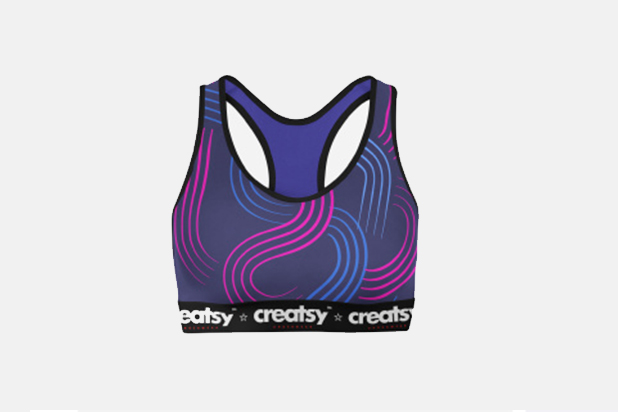
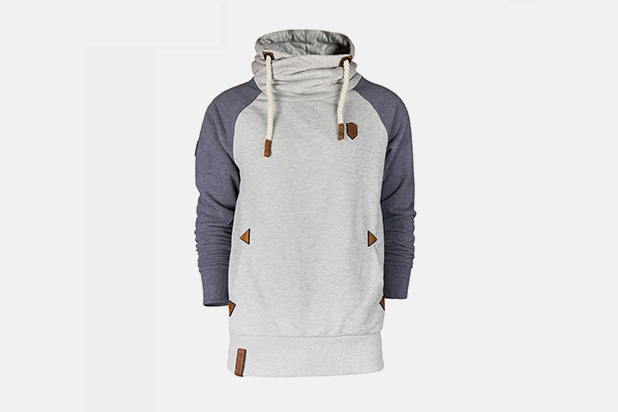
Sportswear design is often discussed as if it begins with a mood board. In manufacturing it begins with a pattern. The block, the panel lines, the seam allowances and the fit specification decide how a garment moves, how it sizes and how decoration can be placed — and they are all settled long before colour or branding is discussed.
This guide is written for brand owners, product developers, buyers and private-label teams who need to read, specify or commission sportswear patterns. It explains the base blocks used in the category, how panel lines work, what seam allowances and construction methods imply, and what a complete specification pack must contain before a factory can produce.
Quick answer: a sportswear pattern pack contains the base block, the panel lines, the seam allowances and construction method, the measurement specification by size, and the decoration placement. Panel lines are not decorative — they are how fit, movement and colour blocking are controlled, so they must be agreed before sampling. Ambiguity in the pack is the most common cause of a sample that misses the brief.
When the pack is ready, send it through our custom requirement form, and for the size and silhouette side of the same subject see our design reference for fits and silhouettes.
A block is the foundation pattern from which a family of garments is developed. Most sportswear is built from a small number of blocks.
| Block | Description | Used for | Fits best with |
|---|---|---|---|
| Set-in sleeve | Traditional armhole construction | Polos, jackets, casual tops | Structured fabrics |
| Raglan | Sleeve runs to the neckline | Team shirts, training tops, outerwear | Knit and performance fabrics |
| Drop shoulder | Shoulder seam sits below the shoulder point | Oversized and streetwear-led pieces | Heavier knits and fleece |
| Panelled body | Body divided into side, front and back panels | Compression, cycling, performance fits | Stretch knits |
| Yoke construction | Horizontal seam across the upper back | Workwear and utility styles | Woven and heavy fabrics |
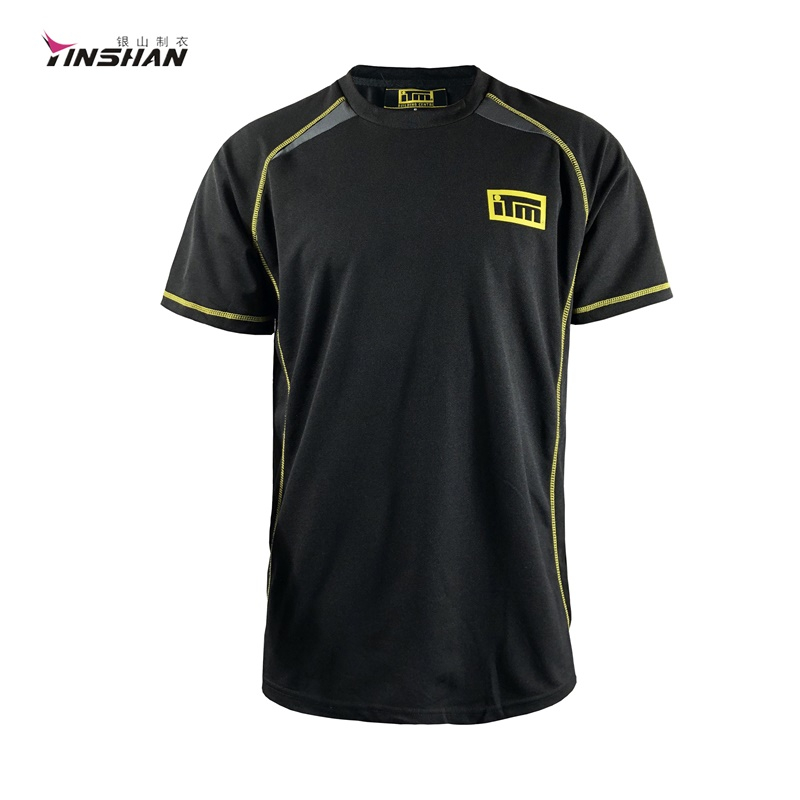
The block decides more than shape. A raglan sleeve gives a wider, more exact decoration area across the chest and shoulder, which is why it dominates team shirts where sponsorship placement matters. A set-in sleeve reads more formal and suits polos and staff wear.
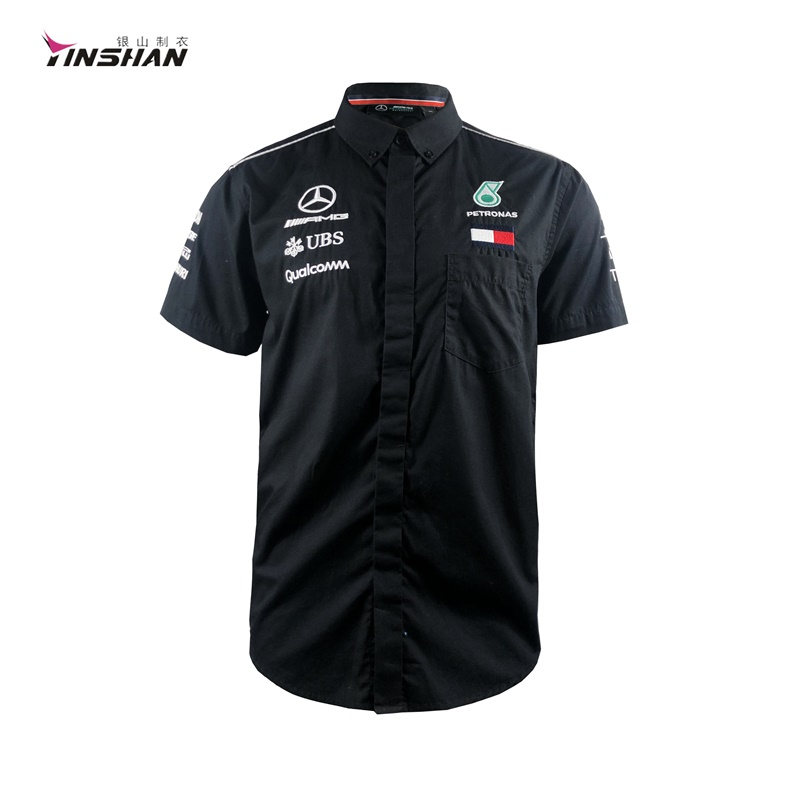
Panel lines are the working language of sportswear design: they shape fit, control movement and carry the colour plan.
Panel lines are frequently treated as a styling choice. In practice they are a construction decision with three jobs.
They control fit. Adding or removing a panel changes how the garment follows the body without altering the base size, which is why a fit can be tuned without redesigning the block.
They control movement. Panels placed at the shoulder, underarm and side allow articulation for specific sports. Cycling, running and racket sports each place them differently.
They carry colour and decoration. A panel line is where colour blocking, contrast trim and sponsor placement live, so the layout is a design decision as well as a technical one.
Three practical rules avoid most problems. Keep the panel count low, because every additional panel adds cutting, joining and alignment work. Prefer straight and gently curved lines to complex curves, which are harder to align consistently across a size range. And place panel lines where they do not interfere with decoration — a logo that straddles a seam will never sit correctly, and a number split by a panel join becomes illegible at distance.
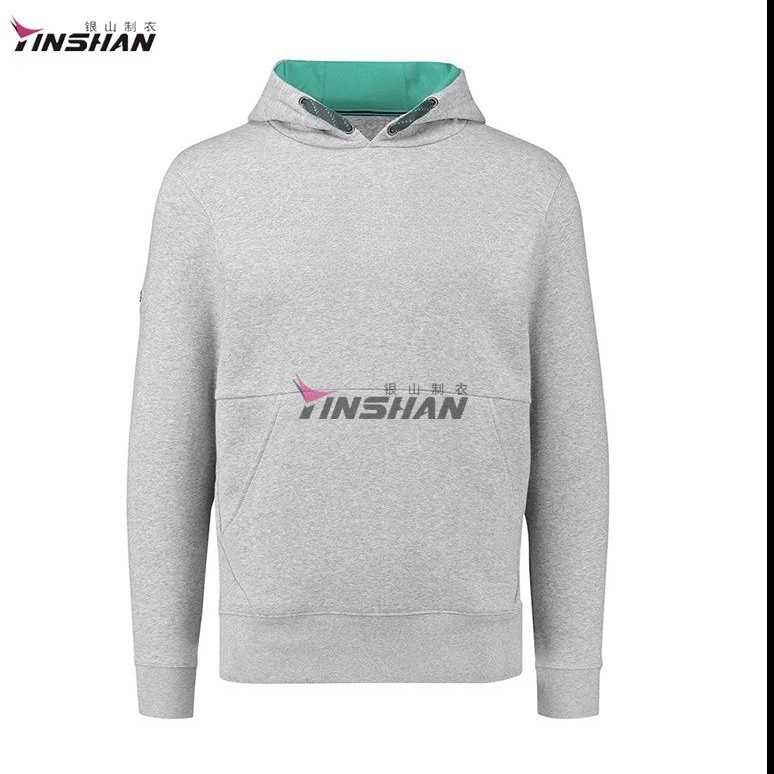
Raglan and set-in sleeves change how a garment fits across the shoulder and how decoration can be placed.
| Element | Options | Where it suits | Effect on cost and lead time |
|---|---|---|---|
| Seam allowance | Standard or reduced for stretch | Reduced on compression and stretch knits | Minimal, but affects fit and comfort |
| Seam type | Overlock, flatlock, coverstitch | Flatlock for performance knits | Flatlock takes longer and costs more |
| Stitch detail | Tonal or contrast | Contrast where the stitching is a design feature | Contrast adds thread change and inspection time |
| Hem finish | Twin-needle, coverstitch, bonded | Bonded for lightweight technical pieces | Bonding requires specialist equipment |
| Trims | Zips, elastics, drawcords, tape | According to garment function | Trims often carry their own minimums |
Construction choices are where a garment's price is really decided. Two garments can share the same block, the same fabric and the same decoration and still differ substantially in cost because of how the seams are made. Buyers who understand this can specify cost out of a garment without reducing what the customer sees.
Training and racing fits use different blocks from the same body measurement, which is why both must be specified.
A complete pack is what allows a factory to produce accurately without asking questions. The elements below are the ones we require before development begins.
Technical drawing. Front, back and any detail views, with all panel lines, seams and trims marked.
Measurement specification. A size chart giving points of measure and target values with tolerances for each size.
Fabric and trim specification. Composition, weight in grams per square metre, stretch percentage, and the fabric or reference number.
Colour references. A colour-library reference or physical swatch for every colour, including trims and thread.
Decoration specification. Method, dimensions in millimetres and placement for every logo, print or embroidery.
Construction notes. Seam types, stitch colours, hem finishes and any special requirements.
Labelling and packing. Care labels, size labels, hangtags, folding and carton requirements.
Quantity and size breakdown. Units per size, per colour and per garment.
The value of a complete pack is that it converts a conversation into a document. A sample produced from a complete pack can be judged against the brief; a sample produced from a description can only be liked or disliked, which is a far more expensive way to work.
Treating panel lines as styling only. They control fit and movement, not just appearance.
Too many panels. Each one adds cutting, joining and alignment risk.
Placing decoration across a seam. Logos and numbers lose definition and legibility.
Specifying size by letter only. Without points of measure and tolerances, sizes will drift between batches.
Omitting trims from the colour specification. Zips, elastics and threads use different dye systems.
Leaving construction to the factory by default. The construction decides much of the cost, so it should be a buyer decision.
A tech pack is the specification document that allows a factory to produce a garment accurately. Without one, samples are produced from interpretation, which leads to repeated rounds, delays and cost. Any programme beyond a simple repeat order benefits from having one.
It lists each measurement location — chest, length, shoulder, sleeve, hem — with a target value and a tolerance for every size. It is what makes a size consistent between production runs and is essential for reorders.
They determine how the garment follows the body and how it moves during activity, and they define where colour blocking and decoration can be placed. A design that ignores them will not fit or decorate the way it appears on paper.
For a new garment, two to three rounds is typical, with the first confirming block and fit and later rounds refining details. Programmes that supply a complete pack usually need fewer rounds than those that develop from a description.
A sportswear design becomes producible when the block, the panel lines, the construction and the measurements are written down. Agree the panels before sampling, specify construction rather than accepting it, and include every trim and colour reference in the pack.
Send Yinshan Sportswear your tech pack, garment list, fabric and colour references, decoration requirements, estimated quantity and target date to request a custom quote.
 English
 Español
 Português
 Français
 Pусский
 Deutsch
 العربية