Team morale is one of those things coaches talk about constantly and can rarely measure. It shows up in small behaviours: whether players arrive early, whether substitutes warm up without being told, whether a departing player still wears the club's hoodie a year later.
Uniforms influence all three. They are not a substitute for good coaching or a fair selection policy, but they are one of the few interventions available to a club that is visible to every member every week — and they are usually the first thing a new player notices about the club they have just joined.
Quick answer: Custom sports uniforms lift morale and identity by making belonging visible — to the players themselves, to opponents, to families and to sponsors. The effect comes from four design decisions: a consistent colour and crest across every garment, personalisation such as names and numbers, garments that fit a real range of body types, and clothing that extends beyond the match squad to coaches, staff and supporters. Get those right and the uniform reinforces the group; get them wrong and it becomes a weekly reminder that the kit does not fit.
This is written for coaches, club committees, kit managers and the distributors and brands who supply them. If you are choosing garments, start from our custom teamwear range or the wider custom sportswear collection, and send the full brief through a custom requirement.
Clubs describe the benefits in different words, but the same four mechanisms come up repeatedly. It helps to be honest about which are supported by evidence and which are reasonable inference.
Visible membership. A uniform makes the group recognisable. In training, that means a coach can see their squad at a glance; in competition, it means opponents and officials can identify a team instantly.
Personal commitment. Personalised garments — a name, a number, a player's own fit — turn a piece of club property into something a player is more likely to look after and more reluctant to leave behind.
Presentation to the outside world. Families, sponsors and prospective members form an impression from what they see on the sideline. A squad in matching kit is perceived as organised, which in turn attracts the volunteers and sponsors who prefer to attach themselves to organised clubs.
A shared reference point. Kit is the physical object a squad shares when they are not playing. It appears at the start and end of a season, and in the photographs that mark both.

A uniform does more than identify a squad: it is the first signal a new member receives about how seriously the club takes itself.
Not every uniform purchase contributes equally. The table below ranks pieces by how much identity value they deliver for the cost and effort involved.
| Garment | Identity effect | Practical note |
|---|---|---|
| Match kit | Highest — it is what the team competes in and what photographs show | Must meet competition regulations; sized per player where possible. |
| Training tops | High — worn several times a week, so seen more often than match kit | Cheaper per unit and much easier to order in bulk and repeat. |
| Warm-up and travel kit | High — worn together, as a group, and highly visible | Tracksuits and presentation pieces create the strongest visual "squad" impression. |
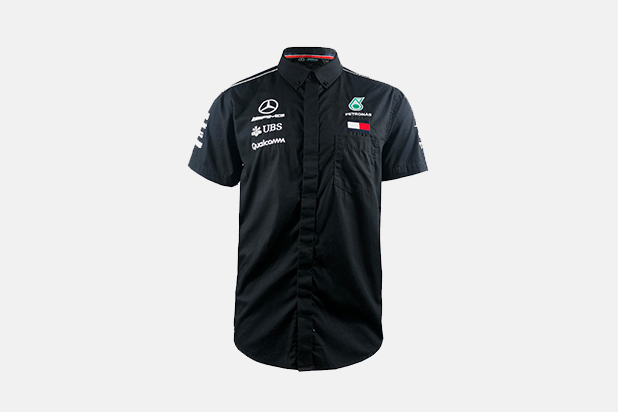
| Coach and staff kit | Medium to high — signals professionalism and separates roles | Small quantities; worth ordering with the player kit to match colours. |
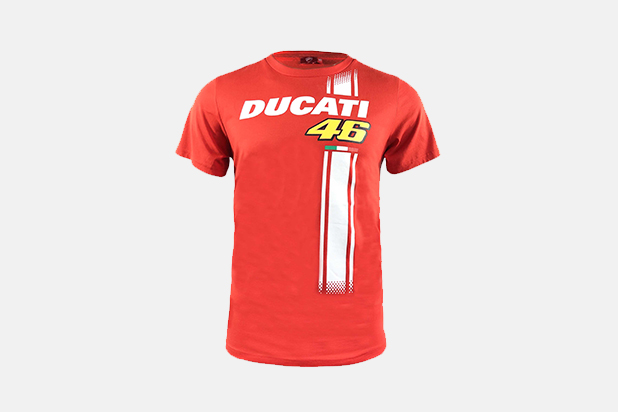
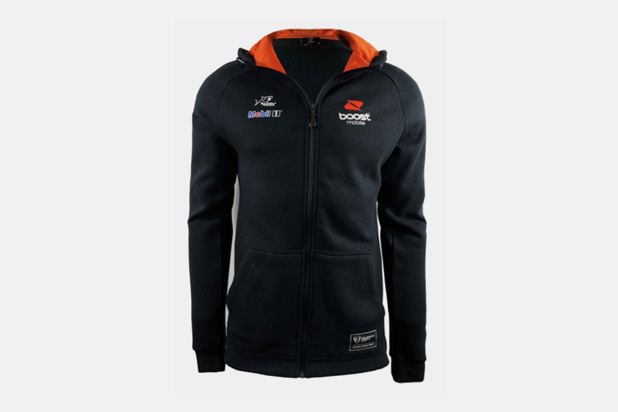
| Supporter and family pieces | High for identity, and revenue-generating | Hoodies, caps and replica shirts; demands a familiar size range and simple design. |
| Bags and accessories | Medium — small items with high daily visibility | Effective for sponsor exposure and often used as membership incentives. |
Uniform design is not the place for novelty. The decisions below are the ones that determine whether a kit feels like a shared identity or simply a club purchase.
One colour reference, used everywhere. The most common failure is a kit where the shirt, shorts and jacket are three slightly different shades. Specify colour codes and confirm them on each fabric.
A crest that reads at distance. Crests are seen on a moving player, in a photograph and on a phone screen. Simple shapes and strong contrast survive all three; fine detail does not.
Names and numbers. Personalisation is the strongest signal that a garment belongs to an individual rather than to the equipment cupboard. Confirm the font, size and placement convention in advance.
Fit across the whole squad. A uniform that flatters one body type and embarrasses another undermines the point of a uniform. Specify women's fits, junior sizing and a wider size curve rather than a single unisex pattern.
Comfort in a full season. Breathable, moisture-managing fabrics in a weight suited to the sport — a kit that gets hot and heavy stops being worn.
Durability over the season. Decoration and fabric have to survive weekly washing. This is a specification decision, and it should be made before the design is finalised.

Consistency across garments matters more than any single design flourish — the same colour reference on every piece is what makes a squad look like one team.
Many clubs get the match kit right and stop there, which limits how far the identity spreads. The people around the squad — coaches, volunteers, families, alumni — are where a club's sense of community is actually concentrated, and they are usually willing to buy clothing that identifies them with it.
| Group | What they typically want | Why it matters |
|---|---|---|
| Coaches and officials | Polos, jackets, softshells in club colours | Clear role identification and a professional appearance on the sideline. |
| Volunteers and helpers | Simple, hard-wearing tops or vests | Makes volunteers feel recognised rather than invisible, at minimal cost. |
| Families and supporters | Replica shirts, hoodies, caps | Extends the identity into the community and generates income. |
| Alumni and former players | Casualwear with the club mark | Long-term attachment; a strong source of fundraising and mentoring. |
| Corporate sponsors | Kit carrying their marks, plus staff clothing | Turns a sponsorship into a visible, wearable deliverable. |
Ordering the player kit, staff kit and supporter range together keeps colours aligned and reduces lead-time risk. It also means the club has one supplier to call when something needs replacing mid-season.
These are the details clubs most often wish they had settled earlier.
Squad size with margin. Order for the players you will have, not only for the players you have today.
Size curve. Junior, women's and larger sizes, with individual fitting for the first squad if possible.
Colour references. Physical or coded references, checked on every fabric used in the range.
Regulation check. Confirm that competition rules permit your colourway, numbering style and logo placement.
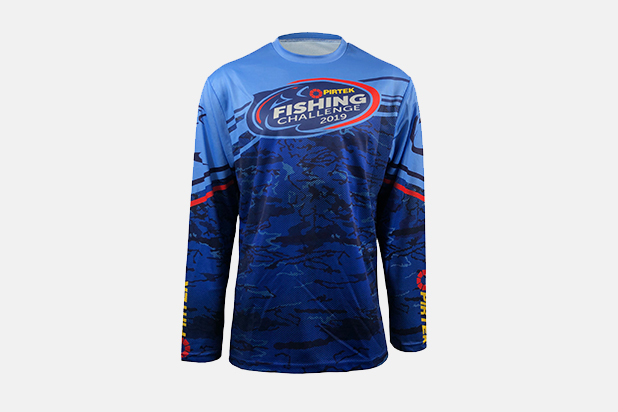
Decoration plan by garment. Sublimation for synthetic kit, embroidery for polos and structured pieces, print or transfer for detailed artwork.
Sampling. Approve a physical sample — ideally including one personalised garment — before bulk production.
Reorder terms. Agree how quickly and how accurately the design can be repeated mid-season.
Care guidance. Tell members how to wash and dry the kit so decoration and fabric last.

Coach, staff and supporter pieces extend the identity beyond the players, which is where a club's sense of belonging is often strongest.
They contribute to it. What uniforms reliably do is make membership visible, personalise kit to individuals and present the squad consistently to outsiders — all of which support the sense of belonging that coaches describe as morale. They are one factor among several, but an unusually visible and repeatable one.
Names and numbers on match kit are worth it for most clubs, particularly where kit is issued to individuals rather than handed out per match. For training and supporter kit, personalisation costs more per unit and matters less — club colours and the crest do most of the work.
Ask for a genuine size curve, including women's fits and junior sizing, and fit the first squad individually where possible. Confirm the measurements on a physical sample in at least two sizes before bulk production, and keep the resulting size chart on file for reorders.
Yes, and it is the usual approach. Producing player, staff and supporter garments in one order keeps the colours consistent, spreads the setup cost, and gives the club a range it can sell through the season rather than a single shirt.
A uniform is the one purchase a club makes that every member wears, every week, in public. Deciding the colour system, the fit range, the personalisation and the pieces beyond the players is what turns it from equipment into identity.
Send Yinshan Sportswear your garment list, artwork, sizes, quantity and delivery country to request a custom quote.
 English
 Español
 Português
 Français
 Pусский
 Deutsch
 العربية