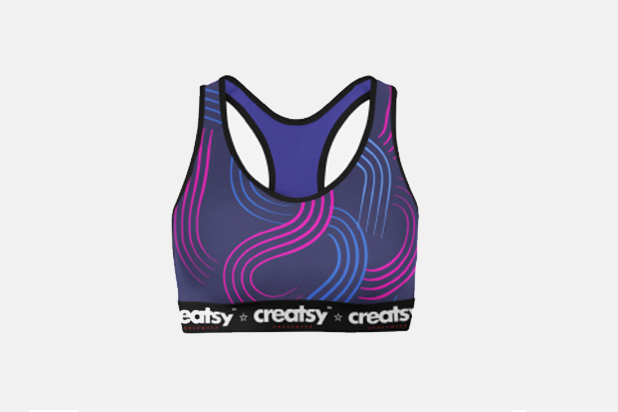
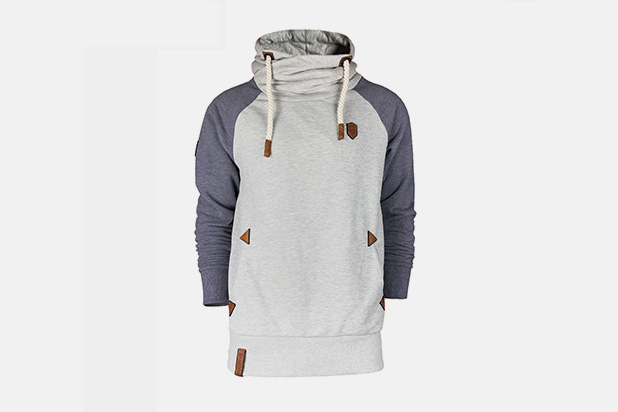
Almost every sportswear label starts with one product for one sport. The ones that grow do not grow by selling more of that product; they grow by taking the same customer into a second category, and then a third. That shift — from a niche brand into a multi-category one — is the point at which the business stops being a design project and becomes a supply chain problem.
This page sets out what multi-category expansion actually involves for an emerging brand: why the move happens, what breaks when it is attempted badly, and how to specify a range across several categories so that it still reads as one brand.
Quick answer: A label expands into multiple categories for two reasons: the same customer buys more than one garment type, and a single category caps the addressable market. The expansion succeeds when the new category shares the fabric, fit and colour logic of the original — and fails when it is sourced separately, category by category, so that nothing matches. The practical discipline is to build one supply chain that can deliver several garment types to one specification standard, rather than shopping each category to the cheapest supplier.
A single-category brand has three structural limits. The customer buys a limited number of units, so revenue per customer is capped. The brand is exposed to one sport, so a change in that sport's participation or fashion moves the whole business. And the fabric platform is narrow, so there is little to negotiate with and little to reuse.
Revenue per customer is capped by how many of one garment a person needs.
Seasonality is sharp when one sport owns the whole range.
Material purchasing has no leverage at low variety.
Marketing spend carries one product rather than a wardrobe.
The move into a second category reverses several of those limits at once, which is why it is such a common growth step — and why so many labels attempt it before the first category is properly specified.
The most quoted example is lululemon, which began in one product area and became a broad athletic and lifestyle brand. The useful part of the story is not the marketing; it is the order of operations. The brand established a fabric and fit standard so specific that customers could buy a new garment type without trying it on and expect the same feel. That standard — not the category list — is what made the expansion possible.
| What repeats | Why it matters |
|---|---|
| Fabric platform | The same base materials recur across categories, so hand-feel is consistent and purchasing has leverage |
| Fit and grading logic | A customer who knows their size in one garment can order another with confidence |
| Colour system | A palette held across categories lets a customer build a wardrobe that matches |
| Positioning | The brand is a place in the customer's life, not a product for one activity |
A label that copies the category list without copying the standard ends up with six products from six suppliers, each with its own fit and its own shade of navy. The expansion then reads as a merchandise rack rather than as a brand.
Three failures recur, and all three are visible to the customer before the label notices them.
Colour drift. The same colour name delivered against a different fabric, dye lot or mill produces a visibly different shade.
Size drift. A second supplier grades to its own block, so the customer's size changes between categories.
Quality drift. The new category is made to a lower standard because it was sourced on price, and it undermines the first category it was meant to support.
Each of these is a specification problem rather than a design problem, and each is fixed before the first order rather than after it. The first-order discipline for a new label is set out in starting a sportswear business.
The order in which categories are added matters more than the number. A useful sequence adds the garment the existing customer is already buying elsewhere, in the same fabric family, before adding anything that needs a new process.
| Step | Add | Reason |
|---|---|---|
| 1 | A second garment in the same fabric platform | Reuses the material and the fit block, so consistency is nearly automatic |
| 2 | A layering piece in the same palette | Extends the range across seasons without new colour development |
| 3 | A category needing a new decoration process | Testing a new process on a known range is lower risk than on a new one |
| 4 | A category needing a new fabrication | Only once the first three are stable, because this resets the fabric and the fit |
Taken in that order, each step adds one new variable. Taken at once, the label is managing several new processes, a new factory and a new size block at the same time, which is how ranges end up inconsistent.

A first range succeeds on specification discipline, not on the size of the logo.
Multi-category supply is a capability question. A supplier that can run several garment types from one fabric standard and one size block is worth more to a growing label than a cheaper supplier that can only run one category well.
The same fabric references available across garment types, in stock rather than to a new order.
One size block and one grading rule, applied to every category in the range.
Colour approved against a physical standard, kept on file for reorders.
Lab dips held as records, so a third category can be matched to the first two.
A sampling path fast enough to test a new category without committing to bulk.
These are the questions in the twelve-point manufacturer checklist, and they matter more to a growing label than to a large one, because a large one has the volume to fix a mistake and a small one does not.

Expanding into a second category usually starts with a piece that is worn outside training.
For an emerging brand the choice is usually not between China and a local supplier but between China and nothing — few domestic suppliers will run a small, multi-category range with custom colour. China suits this stage because the fabric and trim supply is deep, the decoration processes sit under one roof, and a small run in an unusual combination is a normal order rather than a favour.
The trade-off is that the brand has to arrive with a specification. A supplier can recommend fabric, but it cannot decide what the label stands for. The stronger the written specification, the more of the multi-category problem the supplier can solve — see how to select sportswear and sportswear market trends.

One supply chain across several categories is what keeps a growing range consistent in fit and colour.
In practice the first addition is usually a legging or a fitted training piece, because it sells to the same customer in repeat quantities and reuses the performance knit platform. That category has its own fit and opacity requirements, covered in why sports leggings have become fitness essentials, and it is the one where getting the sample right matters most.
Whichever category comes first, the test is the same: a customer who bought the original product should be able to buy the new one without re-learning what the brand feels like.
Because a single category caps revenue per customer, concentrates seasonality in one sport and leaves the brand with no purchasing leverage. A second category lets the same customer buy more, spreads the season and gives the range a reason to exist beyond one activity.
Inconsistency. If each category is sourced separately, colour, fit and quality drift apart, and the range stops reading as one brand. The fix is to expand from one fabric platform, one size block and one approved colour standard rather than adding suppliers category by category.
No. Add one new variable at a time: a second garment in the same fabric first, then a layering piece in the same palette, then a new decoration process, and only then a category that needs a new fabrication. Each step should be stable before the next begins.
Whether the same fabric references and one size block can be used across the new category, how colour is approved and stored for reorders, how fast a sample can be turned around, and what minimum applies to a mixed-category order.
Send the categories you want to add, the fabric you already use and the size block your current range is built on, and we will show which garments can be produced from the same platform, with lab dips against your existing standard before any bulk.
 English
 Español
 Português
 Français
 Pусский
 Deutsch
 العربية