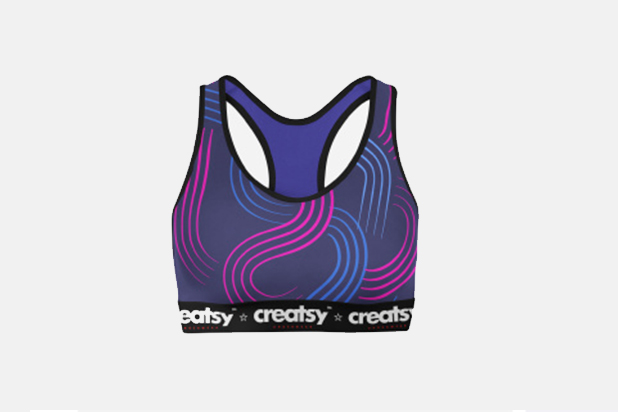
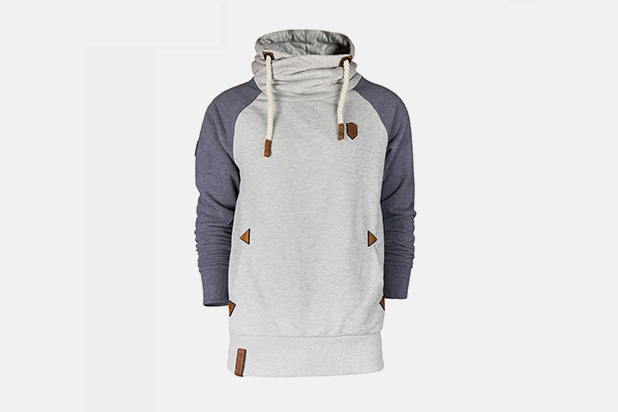
In motorcycle racing, a suit is not a costume. It is the piece of equipment that decides what happens when a rider leaves the bike at speed, and it is also the garment that carries every sponsor a team has sold. Buyers who approach it as a fashion purchase tend to discover the difference late — usually when a fit problem or an unproven protector reaches the track.
This guide explains what a motorcycle racing suit has to do, how leather and textile constructions compare, which protection standards are worth asking about, and how to size a custom suit so that it protects a specific rider rather than an average one.
Quick answer: A racing suit has to deliver four things at once — abrasion resistance, impact protection, heat and slide management, and a fit that keeps the protectors in the right place. Custom suits achieve this by measuring the individual rider, matching the leather or textile to the discipline, and specifying protectors, stitching and stretch panels explicitly in the brief. The safety of a suit is decided in the specification, not in the colourway.
It is written for the people who place the order: race teams and privateer riders, teamwear distributors, motorsport merchandising brands, and private-label labels building a riding collection. If you are ordering rider kit and team kit together, start from our custom sports teamwear range and our specialist product categories, or send the brief straight through as a custom requirement.
Racing suits are engineered around failure cases, and every design decision traces back to one of them. Understanding the four jobs below is what allows a buyer to tell a serious garment from a decorative one.
Abrasion resistance. At racing speeds a rider's body can slide a long way. The outer shell has to resist being worn through, which is why thick, tightly grained leather remains the default for road circuits.
Impact protection. Armour at the shoulders, elbows, hips, knees and back absorbs energy in a fall and spreads it over a larger area. Its position matters as much as its rating.
Heat and comfort management. A rider who overheats loses concentration. Ventilation, moisture management and stretch panels are safety features as much as comfort features.
Fit and mobility. The suit has to allow the rider to move on the bike without the protectors rotating out of position. This is where off-the-peg garments most often fail and where custom sizing earns its cost.

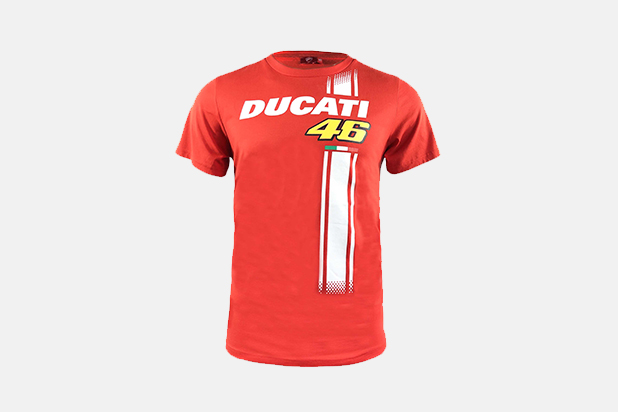
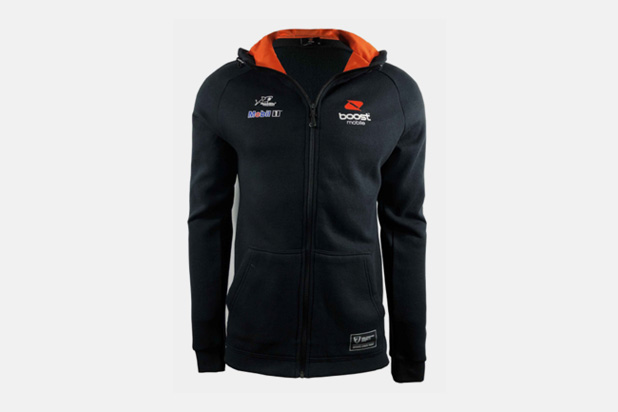
A racing suit is only one part of a rider's kit. Team jackets, under-layers and teamwear usually carry the same sponsor branding and ship in the same order.
The shell material sets the ceiling for abrasion performance, weight, ventilation and price. The table below summarises how the three main constructions compare in practice.
| Construction | Where it performs best | Practical trade-offs for buyers |
|---|---|---|
| Full-grain cowhide leather | Track and road racing, high-speed slide scenarios | Best abrasion resistance and the classic look; heavier, warmer and the most demanding material to cut and assemble. Cost scales with panel count and stitching detail. |
| Kangaroo leather | Professional and semi-professional racing | Thinner and lighter for the same abrasion performance, which improves feel on the controls. Material cost is significantly higher and availability is tighter. |
| Technical textile and mesh | Summer road riding, touring, urban and commuter ranges | Lighter, cooler and easier to produce; abrasion performance depends heavily on the specific fabric and on where reinforcements are placed. |
| Hybrid leather and textile | Ranges that must cover several riding conditions | Leather on the contact zones, textile on the flex zones. A practical compromise, but it needs careful spec work so the transition points are not the weak link. |
Two questions settle most material arguments. First: what kind of crash is the suit expected to survive — a high-speed slide on a circuit, or a lower-speed incident on the road? Second: does the rider prioritise protection, ventilation or price? A suit cannot maximise all three, and the brief should say which one wins.
Protectors are the component most often substituted quietly, because they are invisible once a suit is assembled. A buyer who never asks what is inside is buying on trust alone.
| Specification point | What to ask for | Why it matters |
|---|---|---|
| Protector standard | Which standard the limb and back protectors are tested to, and at which performance level | Higher performance levels absorb more energy. The relevant detail is the level, not the phrase "CE approved". |
| Protector coverage | Which body zones carry armour as standard, and what is optional | Shoulder, elbow, hip, knee and back coverage is common; chest and collar protection varies by model. |
| Protector retention | Whether armour sits in sewn pockets or is adjustable | Armour that can shift in a fall protects less than armour that stays put. |
| Back protection | Whether the back uses an insert, a pocket for one, or a separate back protector | Many suits use a pocket so the rider can choose their own back protector; specify this deliberately. |
| Documentation | Test reports or declarations for the components used in your production run | Buyers who resell, or who carry their own brand, need paperwork for claims and for customer reassurance. |
If the suit will be sold under your own label, agree in writing which components are fixed and which may be substituted between production runs. Quiet substitutions are the most common source of complaints in protective apparel.
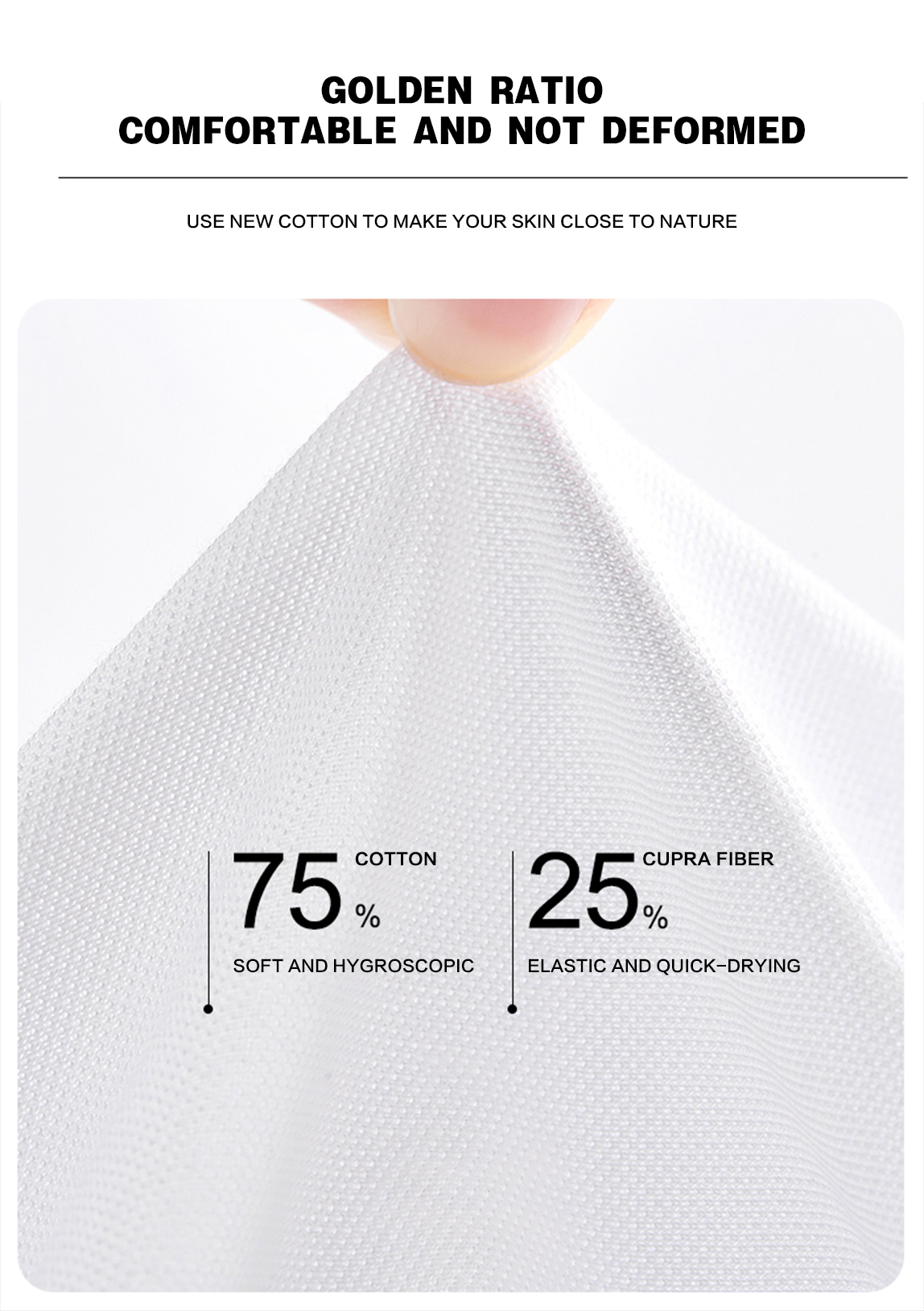
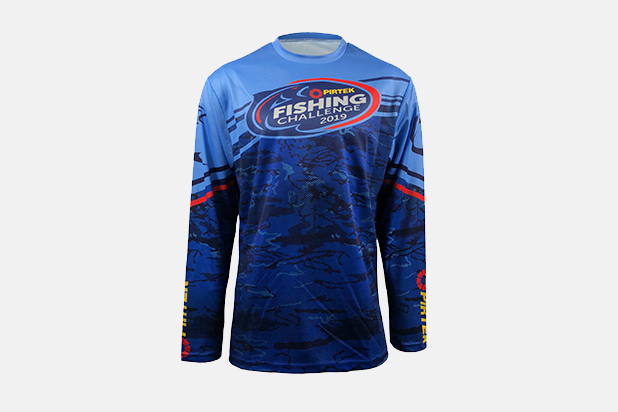
Sponsor graphics are printed or sublimated on textile teamwear and embroidered on leather, so artwork usually has to be supplied in more than one form.
The best armour in the wrong place is not protection. Custom suits exist mainly to solve this problem, and the measurements below are the ones that actually change how a suit behaves on the bike.
Height and torso length. Determines where the knee armour lands when the rider is in a crouch, not when standing upright.
Chest, waist and hip. Sets the base pattern and how much stretch material is needed through the torso.
Arm length and forearm girth. Controls whether the elbow armour stays seated when the arms are bent on the bars.
Inseam and thigh girth. Governs knee placement and how the suit behaves when the rider hangs off the bike.
Riding position. A suit measured standing can still be wrong; a supplier who asks about the bike and the riding position is asking the right question.
For teams, the practical approach is a measurement template: a documented set of points, taken by one person, recorded per rider and kept on file. Reorders then arrive correct without re-measuring, and sizing disputes between riders and the factory largely disappear.
Two suits can use the same leather and the same protectors and still perform very differently. The differences live in the seams and the panel layout.
| Detail | What it does | What to confirm before production |
|---|---|---|
| Stitch type and density | Abrasion resistance at the seams, which are the first place a suit fails | Whether seams are double-stitched, and with which thread. |
| Stretch panels | Mobility at the shoulders, elbows, waist and knees | Where the stretch zones sit, and that they are not placed over impact areas. |
| Aerodynamic hump | Stability at speed; also a place to carry a hydration system | Whether it is structural or cosmetic, and how it affects collar comfort. |
| Knee sliders | Replaceable contact surface for track use | Whether sliders are replaceable and how they attach. |
| Ventilation | Heat management on long races and in hot climates | Perforation pattern and mesh placement — more venting means less material. |
| Collar and cuff closure | Keeps the suit in place and the protectors aligned | Adjustability, and whether the closure can catch or chafe. |
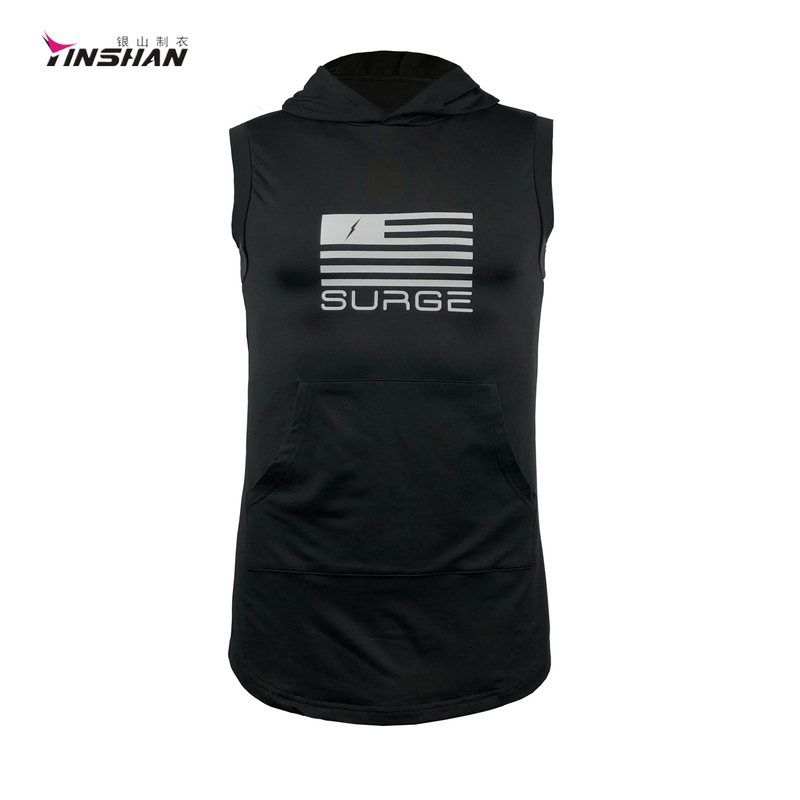
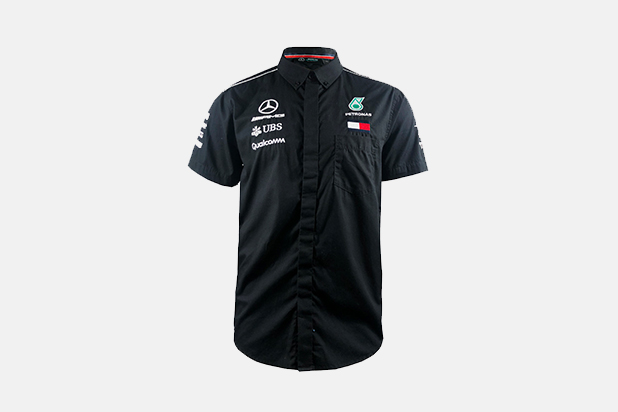
Pit crew and team staff kit is specified alongside the rider's suit, so the whole team looks consistent on race day.
A suit order runs smoothly when the brief is complete before sampling starts. The checklist below covers what a manufacturer needs in order to quote accurately.
Discipline and use case. Circuit racing, road riding, track days, karting or display garments — the intended use drives material and protector choices.
Construction. Leather, kangaroo leather, textile or hybrid, plus the panel layout and colour blocking.
Protector specification. Standard, level, coverage and whether back protection is included.
Sizes and quantities. Individual measurements per rider, or a size-curve breakdown if you are ordering for stock.
Branding. Sponsor logos and their positions, embroidery versus print, and the artwork files in a usable format.
Labels and packaging. Own-label branding, care labels, size labels and hangtags.
Compliance paperwork. Test documentation you need to hold, and any labelling wording required in your market.
Delivery. Destination, deadline, and whether the order ships with team kit or separately.
Not automatically — the materials and protectors decide the level of protection. Custom sizing does, however, remove one of the most common real-world weaknesses: armour that sits too high, too low or off to one side because the garment was cut for an average body. For riders who do not fit a standard size chart, the difference is substantial.
For circuit racing, leather remains the default because abrasion resistance is the priority. For summer road riding, touring or commuter collections, a technical textile or hybrid construction is usually more practical. The decision should follow the intended use, not the price of the sample.
It depends on material availability, the number of panels and whether protectors are held in stock. A single bespoke suit and a team order of thirty are different projects. Ask for a sampling date and a bulk date separately, and confirm both before you commit to a race calendar.
Yes. Own-label production is standard for motorsport apparel: your branding on the suit, labels and packaging, with the specification agreed in the brief. Confirm who holds the responsibility for compliance documentation in your target market.
Vector artwork for printed and sublimated areas, and a stitch-ready file for embroidered logos. Sponsor logos often arrive in mixed formats, so it helps to define one file standard and to approve positions on a physical sample.
Racing suits are one of the few garments where a specification mistake is measured in injuries rather than returns. Getting the material, protectors, fit and stitching agreed on paper, then approved on a physical sample, is what turns a good-looking suit into a functional one.
Send Yinshan Sportswear your garment list, artwork, sizes, quantity and delivery country to request a custom quote.
 English
 Español
 Português
 Français
 Pусский
 Deutsch
 العربية