A personalised cotton sports shirt is one of the few garments that works equally well on a pitch, in a staff uniform and as fan merchandise. That flexibility is the appeal, and it is also why the same order can go wrong in three different ways: graphic artwork printed onto a knit that cannot hold fine detail, an embroidered logo placed where it distorts, or a size curve that suits one of the three uses and not the others.
This page covers the cotton sports shirt we produce with front printing and embroidery — what it is, how the fabric and the two decoration methods interact, where each element of a design belongs, and how to order it in a way that survives the first wash and the first reorder.
Quick answer: This is a soft cotton sports shirt with a printed front panel and an embroidered logo, made to order in your own colourway and artwork. Print carries large graphics, gradients and sponsor blocks; embroidery carries crests, club marks and lettering that must stay crisp. Because cotton is a knit rather than a performance fabric, artwork should be prepared with the panel in mind, and the placement and size of each element should be agreed in millimetres before production.
If you are still comparing garment types, start from the custom sports teamwear range. If the design is more graphic than logo-led, the same shirt with a full artwork print treatment may suit better.
The garment is deliberately simple, because the decoration is meant to carry the design rather than compete with it.
| Element | Typical specification | Why it was chosen |
|---|---|---|
| Body fabric | Soft cotton knit, stated in grams per square metre | Gives the soft hand feel people associate with a cotton shirt and takes print cleanly. The weight is the main lever on how the shirt drapes. |
| Neckline | Ribbed crew or polo collar with contrast trim | A ribbed neckline holds its shape after repeated washing; contrast trim is the cheapest way to make a plain shirt look deliberate. |
| Construction | Set-in sleeves, twin-needle hems, taped shoulder seams | Twin-needle hems and taped shoulders are the two details that separate a shirt that lasts a season from one that lasts several. |
| Decoration | Front printing plus embroidery, positioned to your artwork | Lets one garment carry both a large graphic and a precise logo without either one compromising the other. |
Cotton is a knit with a soft, slightly textured surface. That texture is an advantage for comfort and a constraint for decoration, and the constraint is different for each method.
| Decoration | Best used for | On cotton, plan for |
|---|---|---|
| Front print | Large graphics, sponsor blocks, photographic imagery, gradients, numbers | Fine linework below roughly a millimetre thick can fill in on a knit surface. Keep details open and avoid hairline strokes. |
| Embroidery | Crests, club marks, small logos, names and letters | Backing must suit a soft knit. On light fabrics ask for a light stabiliser so the shirt does not pucker under the stitch. |
| Combined treatments | Designs with a graphic front and a formal logo — the most common brief | Print and embroider in that order. Embroidery placed over an already-printed panel can distort both. |
| Personalisation | Individual names and numbers on the back or sleeve | Collect names as a controlled list with exact spelling and size, and ask the factory to confirm the list back before production. |
One practical rule covers most design decisions: if an element has to look sharp from close up — a crest, a monogram, small lettering — embroider it. If it has to look vivid from a distance, print it.
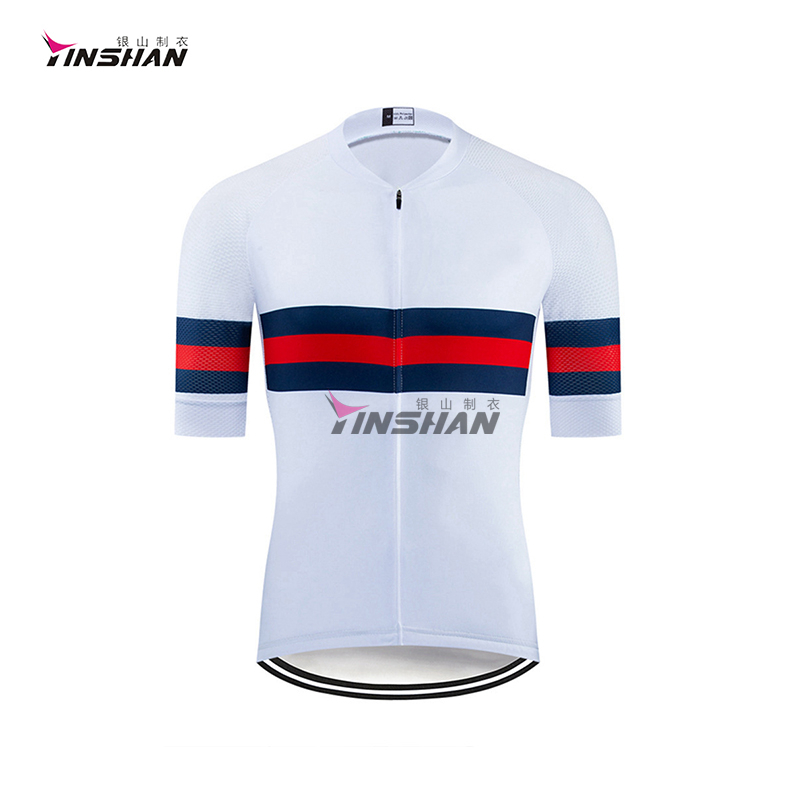
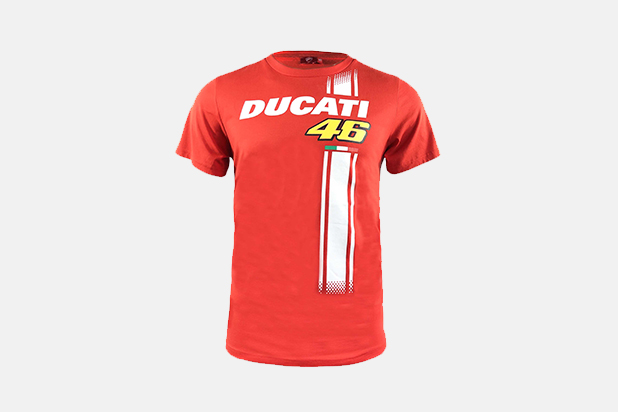
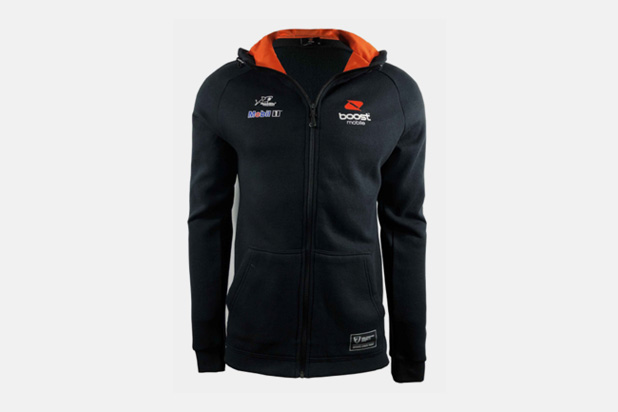
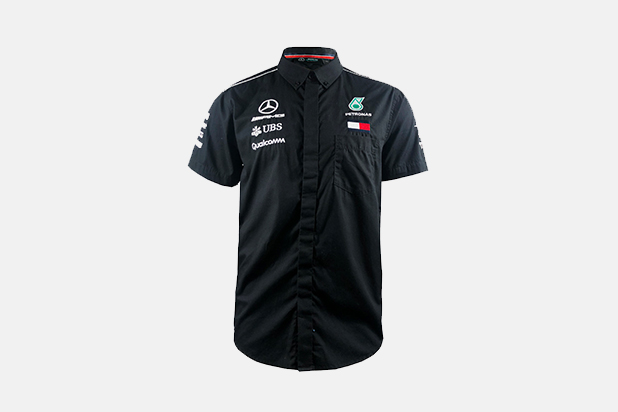
A cotton sports shirt with a printed front panel and an embroidered logo combines the two decoration methods that customers ask for most often.
Placement is usually the difference between a shirt that looks designed and one that looks assembled. These are the positions that work on this garment, with the sizes normally quoted for them.
Left chest. The default home for a logo or crest. Typical width around 70–90 mm. Embroidered on this shirt for a raised finish.
Centre chest. Used for a large printed graphic. State the width and the height, and confirm the drop from the neckline so the graphic does not sit awkwardly on the chest.
Full front panel. A printed design that covers most of the torso. Best kept clear of the side seams so the artwork does not distort when the shirt is worn.
Back. Names, numbers, or a large sponsor or team graphic. The back panel takes a bigger print than the front and is read from further away.
Sleeves. Flags, member numbers, small repeat logos. Cheap to add and reliably popular on club orders.
Hem and nape. A small woven or printed label mark. Subtle, low cost, and it makes a garment feel finished.
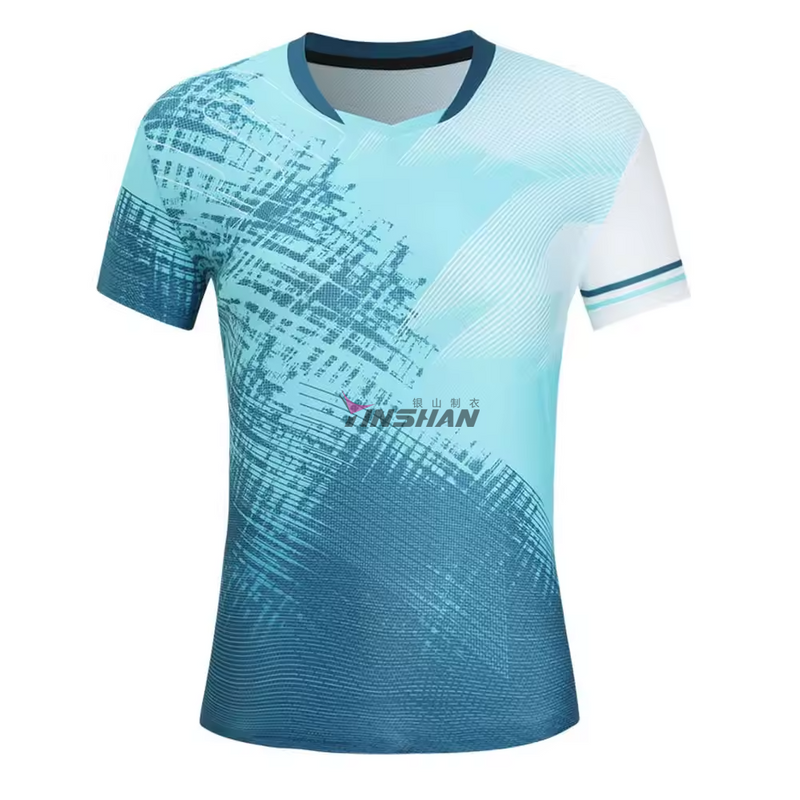
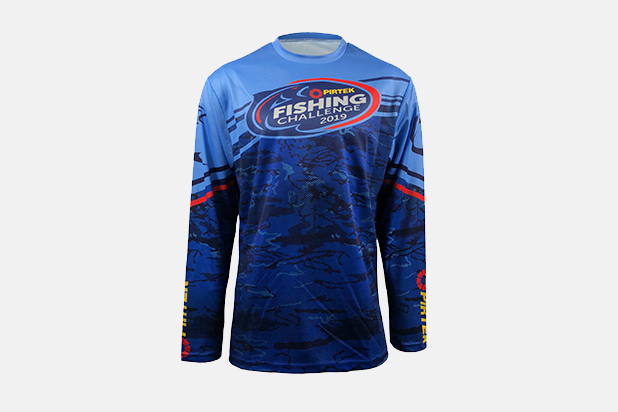
Front printing carries the large graphic; embroidery carries the crisp logo detail. Planning the two together is what keeps the design balanced.
Sports clubs and schools wanting a match or training shirt that carries a crest and a sponsor block, in a colourway that matches the rest of their kit.
Brands and retailers building a small range where the same body is offered in several designs and colourways — here consistency between runs matters more than any single feature.
Corporate and event buyers using the shirt as a staff or volunteer uniform, usually with an embroidered logo and a printed back panel.
Promotional distributors who need a reliable garment that can be decorated locally or supplied fully finished.
One point worth deciding early: whether the shirt is a uniform or a retail product. A uniform prioritises durability and a clean size curve; a retail garment prioritises packaging, a care label and a size range that reads correctly on a shelf.

Cotton takes print and embroidery differently from performance fabric, so the artwork should be prepared with the fabric in mind.
Minimum order quantity. Ask how the minimum applies — per design, per colour or per decoration method — because a mixed order can carry more than one. Personalised cotton shirts are normally available at modest quantities rather than requiring a container.
Sizes. Always take the size chart by measurement. For cotton, confirm the shrink allowance so the delivered shirt matches the chart after the first wash.
Colour. Ask for a fabric reference code and a physical swatch. Screen colour and finished garment colour are different, and the swatch is the binding one.
Sampling. Ask for a pre-production sample with both the print and the embroidery on it. Decoration on the real fabric in the real colourway is the only test that predicts the production run.
Packing. For embroidered items, confirm that garments are folded so the stitch is not crushed in transit.
Can you print and embroider the same shirt? Yes, and it is the most common brief for this garment. Order the print first and the embroidery second, and keep the embroidered element clear of the printed panel so neither distorts.
How fine can printed detail be? Fine enough for most logos and sponsor blocks, but not for hairline strokes below about a millimetre. If a detail has to stay sharp at close range, embroider it instead.
Will the shirt shrink? Cotton knit moves slightly in the first wash. Confirm the shrink allowance with the supplier and take the size chart by measurement rather than by letter.
Can we order individual names? Yes. Send a spreadsheet with one row per person containing the exact spelling, the number and the size, and ask for the list to be confirmed back before production.
What is a realistic lead time? Production time is driven mainly by how quickly artwork and the sample are approved. Approving the template once and reusing it for later runs is the reliable way to keep repeat orders short.
Send the brief with four items — the garment and quantity, the colourway, the artwork showing which elements are printed and which are embroidered, and the date you need delivery. With those, a factory can quote accurately and produce a sample that is close to the finished shirt.
You can send a custom requirement, compare this shirt with our cotton sports shirt with artwork printing, or browse the wider teamwear range if the order includes several garment types. Request a quote.
 English
 Español
 Português
 Français
 Pусский
 Deutsch
 العربية