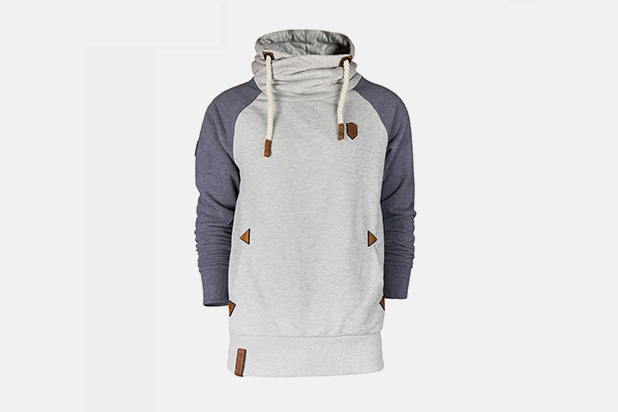
A university hoodie is the most reused garment a campus buys. The same item goes to a training session, sits on a bench, travels on a coach, is worn to a lecture and then appears in a photograph that the student keeps. That breadth of use is exactly why a hoodie bought as generic merchandise disappoints: it was never specified for the life it would actually lead.
This guide is about the teamwear side of that purchase — the hoodie a sports squad, society or faculty team wears as kit. It covers which construction choices matter for a garment that is worn hard and washed often, how institutional identity and individual personalisation should be laid out, and how to order across several squads without losing consistency.
Quick answer: A teamwear hoodie for a university is specified around durability and repeat use rather than novelty — a heavier fleece with good recovery, a hood that keeps its shape, reinforced seams and cuffs, and decoration split between institutional identity (crest, colourway, typeface) and personalisation (name, squad, number). The most important decisions are fabric weight and composition, hood and pocket construction, decoration method, and a size curve that covers a whole squad including junior and larger builds.
It is written for the people who place these orders: university sports departments and athletic unions, club and society committees, faculty teams, coaches buying squad kit, and distributors tendering for a university contract. If the institution is also buying retail merchandise, our companion article covers campus merchandise hoodies; for the wider programme, start from the custom sports teamwear range.
The distinction is not snobbery, it is use. A squad hoodie is worn repeatedly in conditions that punish a light garment, and the specification follows from that.
Wash frequency is high. A squad hoodie may be washed weekly through a season, so colour retention, cuff and hem recovery, and print durability all have to be considered from the start.
It is worn over kit. Athletes pull it on over a base layer after training, so the cut has to allow for that without looking oversized when worn alone.
It carries institutional identity. A crest, a faculty name and a colourway are visible in every photograph taken of the squad, which makes consistency across a programme matter.
It is personal. A name or squad designation on the garment turns a generic hoodie into something a student keeps after graduating, which is also why reorders are reliable.
It is bought in a size run. Squads include a wide range of builds, and the order has to reflect that rather than a straight letter run.
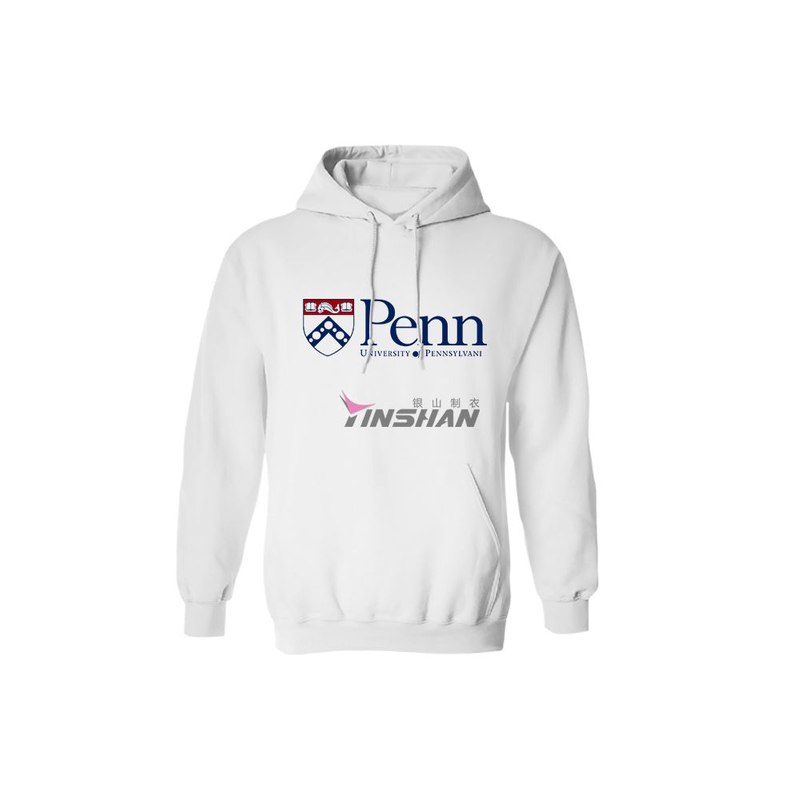
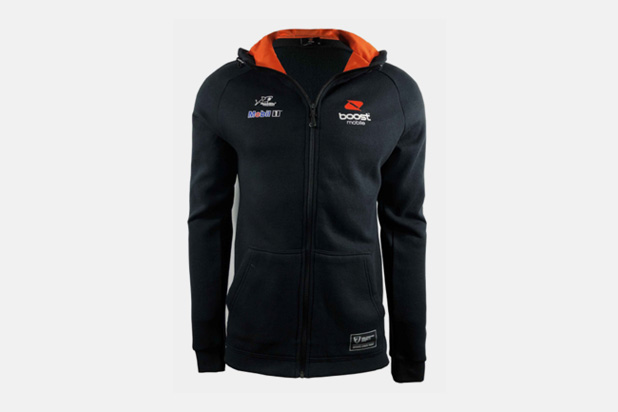
A university hoodie used as teamwear is worn to training, on the sideline and to lectures, which is a much harder life than a retail garment.
Most of the difference between a hoodie that survives a season and one that looks tired by Christmas is decided before decoration. The table below is the specification checklist worth taking to a supplier.
| Component | What to specify | Effect on the finished garment |
|---|---|---|
| Body fabric | A stated weight in grams per square metre, and the fibre blend | Sets warmth, drape and how well the garment holds its shape. A heavier fleece resists pilling and sagging better than a light one. |
| Hood construction | Two-panel or three-panel hood, lined or unlined, with a stated drawcord | A three-panel hood sits better on the head and holds shape after washing; an unlined hood is lighter but softer. |
| Cuffs and hem | Ribbed knit with elastane content, and a stated recovery | Recovery is what stops cuffs gaping and the hem sagging — the most visible sign of a cheap hoodie. |
| Seams | Reinforced side seams and a taped or flatlock shoulder where relevant | Distributes load where the garment is pulled on and off, reducing seam failure. |
| Pockets | Kangaroo pocket depth, or a zipped pocket if valuables are carried | A shallow pocket looks correct but is unusable for a phone or keys, which students notice immediately. |
| Zip, if used | Metal or moulded zip, with a stated tape colour and a puller that suits gloved hands | Zip quality is the single most common failure point on a zipped hoodie. |
| Decoration | Embroidery for crests and names; printing or sublimation for larger graphics | Embroidery adds durability and a premium finish; printed panels allow full colour but must be specified for wash durability. |
A university hoodie carries two messages, and keeping them in fixed positions is what allows squads to be added later without redesign.
| Position | Typical content | Specification note |
|---|---|---|
| Left chest | University or faculty crest | Fix the size and height in millimetres. A crest that is re-scaled later looks like a different garment. |
| Right chest | Club, society or team mark | Reserve the same box across every squad so a programme looks deliberate rather than assembled. |
| Back | Name, squad or "university" wordmark | The largest area and the most personal. Specify letter height and typeface so late additions match. |
| Sleeve | Year, society mark, or sponsor | A small, cheap panel that is popular and easy to standardise. |
| Inside neck | Size and care labelling, or a printed name tag area | A name area reduces loss in shared changing rooms. |
Once those positions are fixed in a template, adding a new squad is a matter of changing text and sizes. Without a template, every squad becomes a redesign.
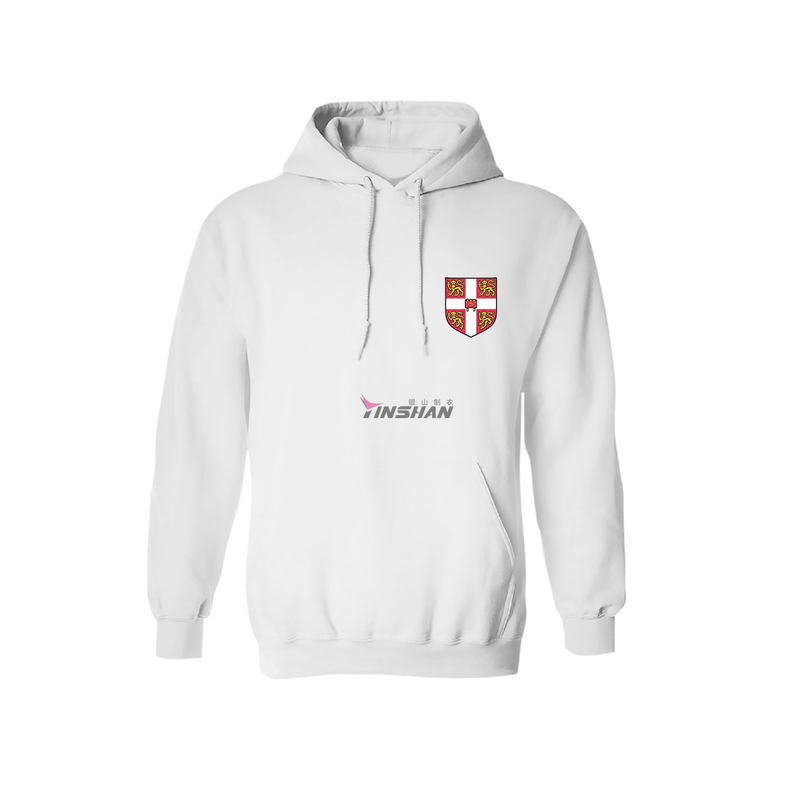
Embroidery on the chest plus a printed name on the back identifies both the institution and the individual.
Universities rarely buy for one team. The realistic order is a programme: several squads, one institutional identity, different personalisation.
Lock the shared elements first. Fabric, colourway, crest position and typeface apply to the whole programme. Approve them once.
Then vary only what must vary. Squad names, personalisation and, if necessary, a second colourway for a particular team.
Plan a single size collection exercise. One form for the whole programme produces a cleaner size curve than several squads submitting separately.
Order together where possible. A combined quantity usually improves the unit price and, more importantly, guarantees the colour matches across squads.
Keep a documented template per squad. Reordering one squad next year should not require re-approving the whole programme.
Three steps prevent most of the problems that appear after a university order is delivered.
Size by measurement. Ask for a size chart with chest, body length and sleeve measurements, and state in the brief whether the hoodie is intended to be worn over a base layer.
Sample on real people. Have one hoodie tried by two squad members of different builds. A garment that fits one athlete is not evidence of a size run.
Inspect the details that fail first. Check cuff recovery, hem shape after a wash, zip operation, embroidery definition and whether the crest sits straight when the garment is worn rather than laid flat.
Confirm personalisation before production. Send the spelling sheet back for sign-off. In a programme order, one mistyped name is a whole garment.
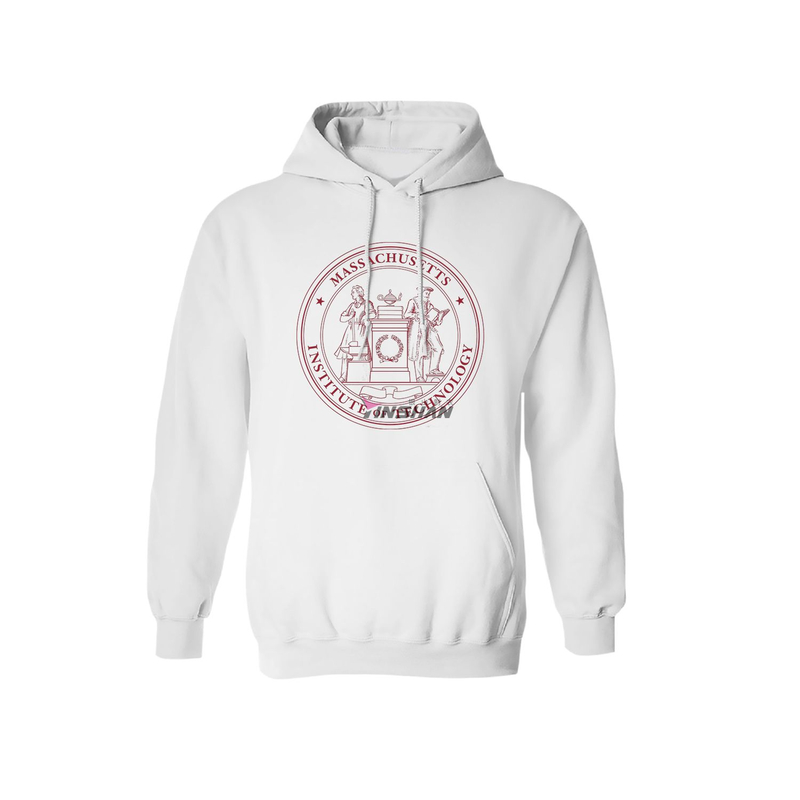
Keeping the institutional colourway identical across the programme is what makes several squads look like one institution.
What fabric weight suits a university hoodie? It should match the climate and the intended use. A heavier fleece is warmer and holds shape better across repeated washing; a lighter one suits layering and warmer campuses. The important thing is to state the weight rather than accept "heavyweight" as a description.
Embroidery or print for the crest? Embroidery is the usual choice for a crest because it is durable and reads as institutional. Printing suits large, multi-colour graphics and is best used for full-colour back designs.
Can we add a squad later? Yes, if the programme template and fabric references are documented. Late additions should be produced from the same template so colours and positions match.
How should we handle names at graduation or for alumni? Personalisation applied to individual garments later is practical when the template exists, which is another reason to record it carefully at the first order.
What does the university need to keep on file? The approved template, fabric reference and weight, colour codes, size chart and the personalisation spreadsheet format. That file is what makes every subsequent order predictable.
Send the brief with the garment type, the fabric weight and blend you want, the identity layout, the number of squads and the size breakdown. A programme with a fixed template is far easier to quote, sample and reorder than a series of one-off requests — and it is what makes a campus look like one institution rather than six unrelated teams.
You can send a custom requirement, review the teamwear range if the programme includes outerwear or training kit, or read our guide to looking after custom sportswear. Request a quote.
 English
 Español
 Português
 Français
 Pусский
 Deutsch
 العربية