Forecasting is often described as prediction. In commercial activewear it is closer to risk management: buying enough exposure to a direction to capture its upside, while keeping the cost of being wrong small enough to absorb. The brands that forecast well are not the ones that guess best; they are the ones that structure the decision so a wrong call is survivable.
This guide is for activewear brands, product managers, retail buyers and distributors who plan a season in advance. It covers where forecast information should come from, which indicators are worth measuring, how to convert a direction into a product decision, and how to control the risk attached to it.
Quick answer: use a small set of forecast sources with different lead times, weight them by how close they sit to your own customer, convert the surviving directions into a product decision with quantity, cost and price attached, and cap the exposure to unproven directions at a fixed share of the range. A forecast without a quantity and a price is an opinion.
For the research method behind the range plan, see our guide to how sportswear trends are researched, and to see the products a forecast has to become, browse our sportswear products.
Forecast sources differ in lead time and reliability, and the useful skill is weighting them rather than collecting them.
| Source | Lead time | Reliability | Best used for |
|---|---|---|---|
| Fibre and yarn direction | 2–4 seasons | Moderate | Early material planning and costing |
| Colour forecasting | 1–3 seasons | Moderate to high | Palette locking and dye planning |
| Material trade fairs | 1–3 seasons | High for materials | Fabric selection and mill conversations |
| Competitor range reviews | 0–1 season | High | Price positioning and assortment gaps |
| Your own reorders and returns | Immediate | Highest | Quantity planning and style decisions |
| Search and social interest | Weeks | Low to moderate | Early interest signals, not design briefs |
The weighting rule is simple: the closer a source is to your own customer's actual purchase, the more weight it deserves. Fibre direction tells you what will be available; your reorder data tells you what will sell.

Forecasting starts with physical reference: garments, fabrics and colour standards rather than presentation slides.
A forecast becomes manageable when it is expressed in numbers rather than impressions. The indicators below are the ones that change a decision.
Sell-through rate. The proportion of a style sold at full price within a period. It distinguishes a style that sold from a style that was discounted into selling.
Reorder rate. Whether buyers come back for more. This is the strongest single indicator of a genuine product, stronger than a first-order spike.
Return rate and return reasons. Returns caused by fit, opacity or colour indicate specification problems rather than design problems, and they are extremely actionable.
Size distribution sold versus ordered. A mismatch reveals a size curve problem that will repeat next season unless it is corrected.
Colour and fabric performance by price band. Shows whether a direction sells at your price point or only above it.
Lead time achieved versus promised. A forecast that assumes a delivery date the factory cannot meet is not a plan.
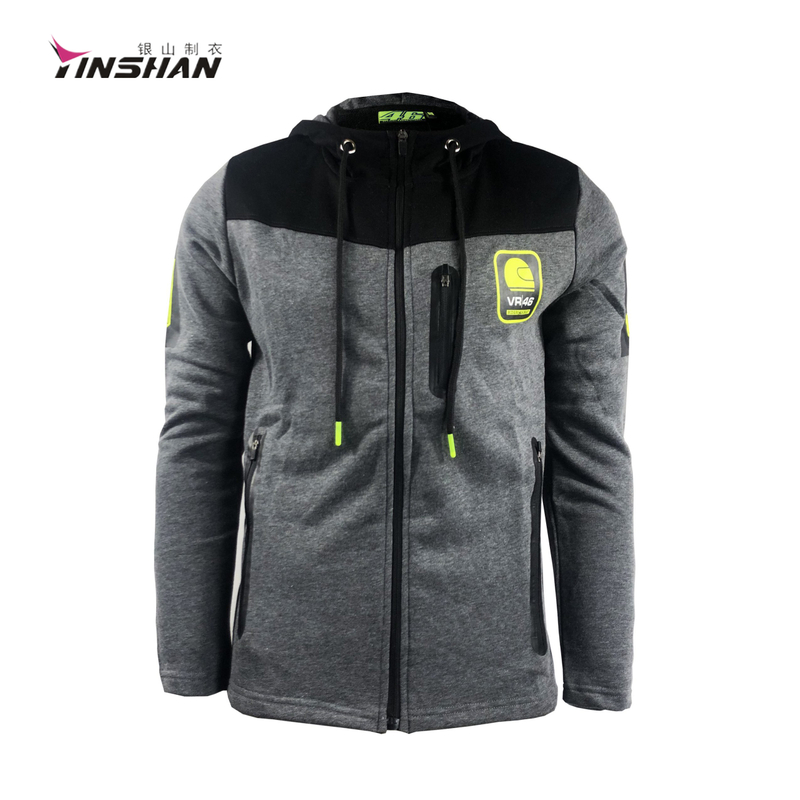
A direction becomes a decision when it is attached to a garment type, a fabric and a price — not before.
The conversion step is where forecasts usually fail. A direction only becomes actionable when it is attached to specific decisions.
| Decision | Question to answer | Output |
|---|---|---|
| Garment | Which existing block carries this direction? | A style number, not a mood board |
| Fabric | Can we make it from a fabric we already buy? | A specification and a cost |
| Colour | Does it fit the existing palette or add a new colour? | A dye decision and a minimum |
| Quantity | How many units, and in which sizes? | A size curve and a unit count |
| Price | What does it sell for, and at what margin? | A price point to test against the market |
| Timing | When must it be delivered? | A delivery date and a production window |
Six answers, six numbers. Without them, the forecast remains a preference, and preferences cannot be produced, priced or reordered.

Risk control is part of forecasting: a small allocation to unproven directions keeps the range moving without exposing the whole plan.
Every forecast is partly wrong. The purpose of structuring the range is to make the cost of being wrong predictable.
Cap the exposure. Limit unproven directions to a defined share of the range — commonly ten to twenty-five per cent — so a wrong call cannot consume the season.
Anchor in carry-over. Proven styles that reorder reliably give the range a financial floor. Treat them as the base, not as something to replace.
Use single blocks across several variants. One block varied through fabric and colour spreads the risk of any single variant failing.
Stage commitments. Commit firmly to a first quantity and hold an option on a second, so a strong early read can be acted on without holding stock.
Test small and reorder fast. A small trial quantity plus a short reorder lead time is a better use of capital than a large speculative buy.
Review the misses. Record what did not work and why. The same forecast error recurring every season is a process problem, not bad luck.
Treating a forecast as a prediction. It is a structured bet, and it should be sized like one.
Ignoring your own sell-through and reorder data. The most reliable signal available is usually the one already in the system.
Leaving a direction without a garment, quantity and price. An unattached trend cannot be produced.
Over-committing to unproven directions. Without a cap, one wrong call consumes the season's margin.
Misreading promotional sell-through. Discounted volume is not demand; it is clearance.
Ignoring lead time. A forecast that cannot be delivered within the season is not a plan.
Your own reorder rate. Buyers returning for more of a style is stronger evidence than any first-order volume, and it carries no lead-time penalty because it comes from your own data.
Direction is usually read one to three seasons ahead, but firm commitments should follow one season ahead at most. Materials and colour need earlier decisions than quantities and final specifications.
Most programmes keep new, unproven directions to roughly ten to twenty-five per cent of the range, with the remainder carried by proven styles and refreshed core items. That structure caps the cost of a wrong call.
Use them as a shared reference rather than a mandate. They establish a common language with mills and suppliers, but the colours that sell are the ones that suit your customer, your price band and your existing palette.
A forecast becomes useful when it is attached to garments, quantities and prices, and when the exposure to being wrong is capped. Use sources weighted by their closeness to your customer, express the direction in numbers, and stage the commitments.
Send Yinshan Sportswear your garment list, fabric and colour preferences, estimated quantity, delivery window and destination to request a custom quote.
 English
 Español
 Português
 Français
 Pусский
 Deutsch
 العربية