A polo sits between two jobs. It has to look presentable enough for a club presentation, a sponsor photograph or a reception desk, and it has to survive a warm day of use without turning into a wet shirt. Pique mesh is the structure that has answered both for decades, and adding spandex to it answers a third question that most polo buyers only ask after the first order has been worn once: does it still fit the same at the end of the season.
This page covers our special-design custom logo cotton spandex pique mesh sports polo shirts: what pique mesh does, why spandex is added, how a special-design panel layout differs from a standard polo, and how club, school and corporate orders are structured from artwork to delivery.
Quick answer: A cotton spandex pique mesh polo is a polo knitted in a pique structure — a textured, waffle-like surface that lets air through — with a small amount of spandex added for stretch and recovery. Pique gives the shirt its structured look and its airflow. Spandex makes the shirt accommodate more body shapes within one size and return to shape after washing. It is decorated with an embroidered logo, usually on the chest, and often with a printed graphic as well. On a pique surface embroidery reads with a crisp edge, which is why club badges are normally embroidered rather than printed.
If a smoother surface suits the brief better, the closer match is our cotton elastane jersey sports polo. For a pique polo without the spandex content, compare the cotton polyester pique mesh polo.
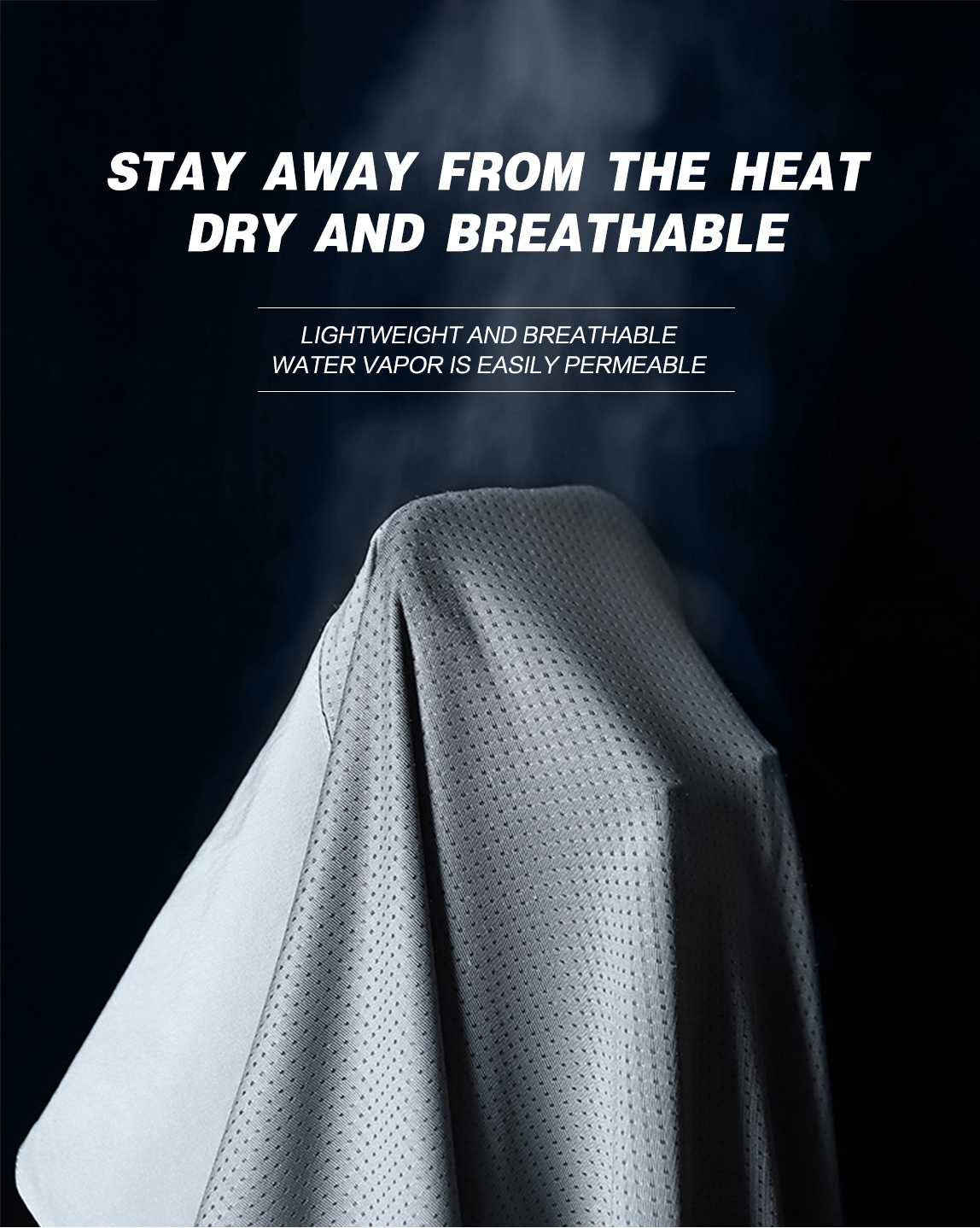
Pique is a knit structure, not a fibre. The surface is textured rather than flat, and that texture does three useful things.
It creates a small amount of space between the fabric and the skin, which allows air to move and stops the shirt from clinging when the wearer is warm. It hides the marks a smooth knit shows, so a polo in a mid-tone colour still looks presentable after a day in the field. And it gives the garment a defined shape, which is why a pique polo reads as a uniform while a jersey polo reads as a t-shirt.
| Structure | Surface | Look | Air movement | Best suited to |
|---|---|---|---|---|
| Pique mesh | Textured, waffle-like | Structured, uniform-like | Good — texture holds the fabric off the skin | Club kit, corporate wear, event staff |
| Jersey knit | Smooth, flat | Closer to a t-shirt | Moderate | Casual kit, merchandising, warmer wear |
| Interlock | Smooth, denser | Substantial and neat | Moderate | Presentation wear, layer-friendly tops |
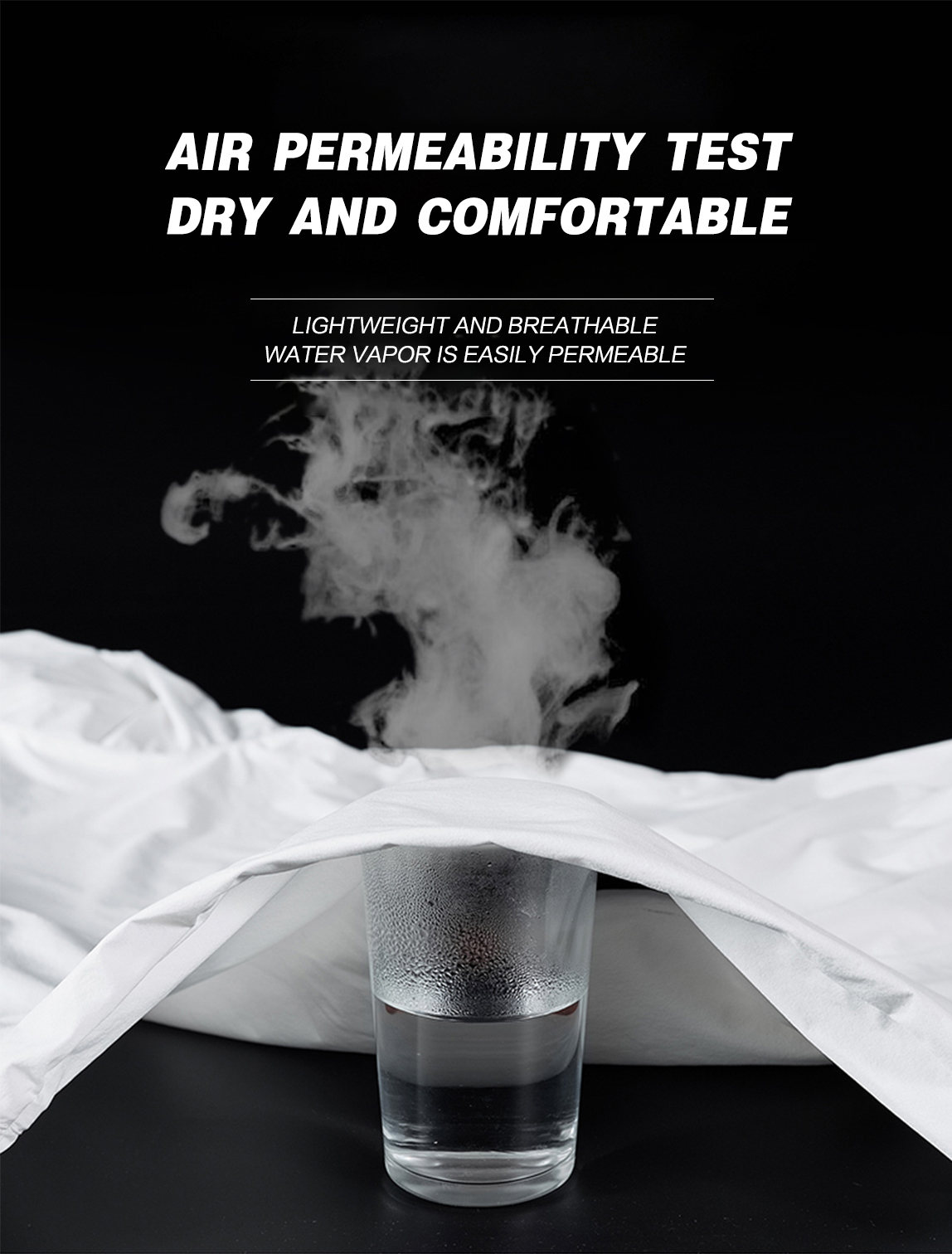
Pique mesh gives a polo a structured look and visible airflow, which is why it is the default choice for club kit and corporate wear.
Pique is a stable knit, so a shirt made from it holds its shape — including the wrong shape. Without any stretch, a pique polo either fits or does not, and a club collecting sizes from thirty members will always have a few people in between sizes.
Spandex changes that in three measurable ways:
Fit across sizes. One size accommodates a wider range of builds, which reduces the number of exchanges after a group order.
Movement. The shirt stops pulling across the back when the wearer reaches or turns, which matters for anyone working or officiating in it.
Recovery. The neckline and hem return to shape after washing instead of staying stretched.
What it does not change is the hand feel or the structure. A small percentage is enough to do the work, and the shirt still reads as a pique polo.
A standard polo is a fixed pattern with a logo applied. A special-design polo is a pattern built around the graphic, which allows things a standard polo cannot do.
Panel layout. Colour blocks can be placed where the design needs them rather than where the base pattern happens to have seams.
Placket treatment. The front placket can be contrasted, matched or concealed, and the button count can be specified.
Collar and cuff. Contrast tipping, colour blocking and rib depth can all be set to suit the shirt rather than inherited.
Placement areas. A dedicated print area can be reserved across the back or the lower front, separate from the embroidered chest logo.
Trims. Side vents, hem finish and sleeve finish can be specified where they affect how the shirt sits.
The value is consistency. Once the layout is settled, it becomes the reference for every repeat order, and the club or company receives the same shirt next season rather than a close approximation.
A pique surface takes embroidery with a crisp edge, which is why club badges are almost always applied this way rather than printed.
Pique is the easiest of the common polo surfaces to decorate, but the two methods still behave differently.
Embroidery. The textured surface supports a crisp edge and hides the small amount of fabric distortion a stitch field creates. Club badges, crests and detailed logos belong here.
Print. A textured surface takes print that covers an area better than fine detail, because the texture interrupts very thin lines. Large graphics, sponsor names and block colour work well.
Back placement. A printed back panel is the usual way to carry a large graphic, with the embroidered logo kept on the chest.
Standardisation. Record the logo width in millimetres and its distance from the placket, so a repeat order lines up with the first.
Sports clubs wanting a shirt that works for coaches, officials and committee members as well as players.
Schools and universities ordering staff or society polos that have to look consistent across a large group.
Companies using the polo as corporate wear for front-of-house, events or field staff.
Event organisers equipping staff and volunteers in a shirt that reads clearly and survives a full day.
Hospitality and retail teams needing a presentable uniform polo with a logo that stays sharp.
Brands and distributors adding a structured polo to a range alongside tees and outerwear.
| Item | Why it matters | What to send |
|---|---|---|
| Quantity per size | Sizes are cut in groups, so an uneven count raises the piece cost | A table of size codes with a count against each |
| Colourway and panel layout | Each colourway carries its own minimum, and a special layout adds a setup | The reference plus a sketch of the panel layout if it differs from standard |
| Fabric weight | Sets whether the polo suits summer wear or year-round use | The climate and the intended use |
| Placket, collar and trims | These are what make the shirt look designed rather than bought | The treatment required, or a reference shirt to match |
| Decoration | Print and embroidery carry separate setup and minimums | Vector artwork with printed and embroidered parts marked separately |
| Delivery date | Determines whether a sample round fits in the schedule | The date the shirts must be in hand |
A special-design panel layout lets the graphic cross the body without fighting the placket or the side seams.
Does spandex make the polo look less formal? No. The spandex content is small and does not change the pique structure or the appearance of the shirt.
Is pique better than jersey for a club polo? Pique suits a uniform look and warmer conditions. Jersey is smoother and reads closer to a t-shirt, which can suit merchandising better.
Can we have an embroidered chest logo and a printed back? Yes, and it is the usual arrangement. Keep the two areas separate so neither decoration interferes with the other.
Can the collar and placket be in a contrasting colour? Yes. Specify the combination and approve a swatch where the colour has to match existing kit.
Will the shirt shrink? Cotton-rich fabric moves slightly in the first wash. Confirm the shrink allowance and check the size chart after it has been applied.
How should the polo be washed? At a moderate temperature, inside out, without high-heat drying, and without ironing directly over the embroidered or printed areas.
Send the quantity by size, the colourways and panel layout, the fabric weight or intended season, the placket and trim preferences, the artwork with printed and embroidered elements marked separately, and the date the shirts must be delivered. You can send a custom requirement directly, compare this polo with our sports polo with embroidery and printing, or browse the wider teamwear range. Request a quote.
 English
 Español
 Português
 Français
 Pусский
 Deutsch
 العربية