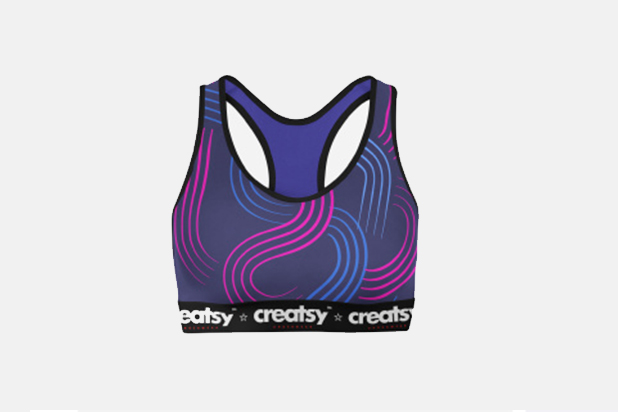
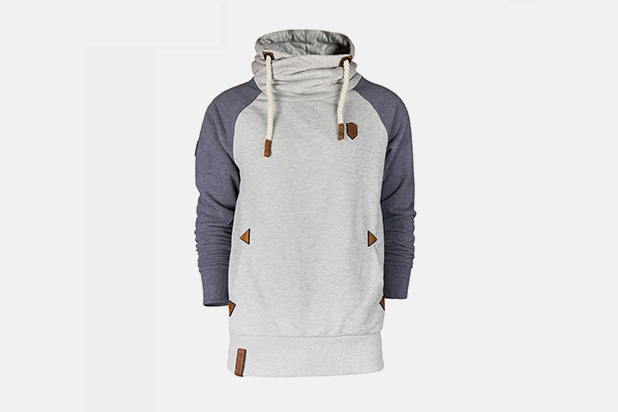
Sustainable sportswear is an area where marketing has run well ahead of manufacturing. The materials exist, the certifications exist and the production routes exist, but the words on a product page are frequently doing more work than the evidence behind them. For a buyer, the practical question is not whether a fabric is sustainable in the abstract, but what claim you can make, and what you can document if challenged.
This guide covers how to buy ethical and sustainable sportswear in practice: which materials genuinely reduce impact, how certification works, what to ask a factory for, and where the compromises are.
Quick answer: Build a sustainability claim from materials, production and documentation rather than from adjectives. On materials, the meaningful choices are recycled polyester, organic or lower-impact cotton, and fibres with a traceable chain of custody. On production, the meaningful facts are chemical management, waste handling and worker conditions. On documentation, the meaningful item is a certificate whose scope actually covers your order. A claim you cannot evidence is a liability, not a benefit, and buyers are increasingly asked to prove what they publish.
The environmental weight of a sports garment is decided mostly at the fibre stage. That is why material choice is the first lever and decoration is the last.
Recycled polyester — made from post-consumer or post-industrial waste; the same performance family as virgin polyester.
Organic cotton — grown under a certified standard that restricts synthetic inputs.
Lower-impact cellulosic fibres — produced with a closed-loop or traceable pulp chain.
Blends — useful for feel, but they complicate recycling and the fibre claim.
Two practical cautions. First, a recycled fibre is still a synthetic fibre with the same shedding and end-of-life questions. Second, a natural fibre is not automatically lower impact: the growing and processing method is what the claim rests on, which is why organic standards exist. The trade-offs on natural fibres are covered in sustainable natural and organic fabrics.
Certification is the mechanism that turns a claim into something verifiable, and its most common misuse is quoting a certificate that does not cover the goods in question. Two things are worth checking on any certificate you are shown.
| What to check | Why it matters | What to ask for |
|---|---|---|
| Scope | A certificate covers a site, a process or a product | Confirmation in writing that the scope includes your order |
| Validity period | Certificates are renewed annually | The certificate for the current period, not a historical one |
| Chain of custody | A fibre claim has to be traceable through the supply chain | The transaction certificate or equivalent for your batch |
| Labelling rules | Logo use is governed by the certification body | Written permission before artwork carries a mark |
A point worth stating plainly: factories hold certificates for defined periods and renew them, so a buyer asking about certification should expect the answer to include dates. If a supplier presents a certificate without a current validity window, ask for the current one before artwork goes anywhere near a certification logo. Our own factory's certificates are provided with quotations and are renewed annually, and the applicable version is confirmed at the point of order.
A material claim says nothing about how the garment was made. There are three areas buyers typically ask about, and each has a genuine answer rather than a slogan.
Chemical management — how dyes, finishes and auxiliary chemicals are selected and controlled.
Waste — how offcuts, packaging and process water are handled.
Labour conditions — working hours, pay, age verification and safety, usually evidenced through an audit.
These are the subjects of a supplier audit rather than a product claim, and they are usually documented separately. If a sustainability position matters to your brand, request the audit documentation alongside the product specification.
Function follows materials, and materials follow design. Several design choices reduce environmental load without reducing quality, and most of them also reduce cost.
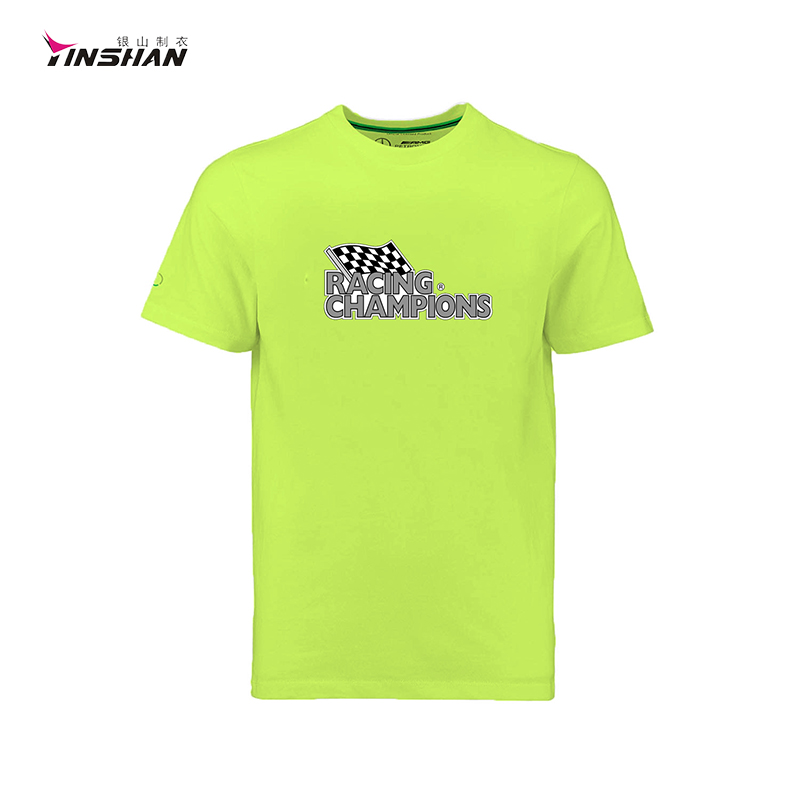
Recycled content is a fibre claim, and a fibre claim is only as strong as the documentation behind it.
Durability over volume — a garment that lasts twice as long has roughly half the impact per wear.
Fewer colourways — one quality in one colour reduces dyeing and reworking.
Sublimation over multi-position print where the fabric allows, since colour count carries no extra material cost.
Avoided mixed materials — an all-polyester garment with no plastic trims is easier to recycle than a blend.
Repairable construction — replaceable zips and reinforced seams extend service life.
Durability is the most underrated of these. A buyer comparing two quotations should compare expected service life and wash performance, not only unit cost, because the cheaper garment may carry twice the material burden per year of use. The testing that supports such a comparison is described in sportswear fabric testing steps.
Most of a garment's environmental cost is set at the fabric stage, long before the decoration is chosen.
State the claim you intend to make, in the words your customer will read.
State the material specification, including recycled content percentage and fibre origin where relevant.
Ask which certificate applies and for the current validity period.
Ask what the care instruction must say, because laundering dominates a garment's lifetime impact.
Ask what the garment's end-of-life route is, and design towards it rather than around it.
That last item is where most sportswear claims stop. A garment marketed on recycled content but blended, trims-heavy and unrecyclable has shifted the problem rather than solved it. The comparison of recycled and organic options against cost and performance is set out in selecting sportswear fabrics.
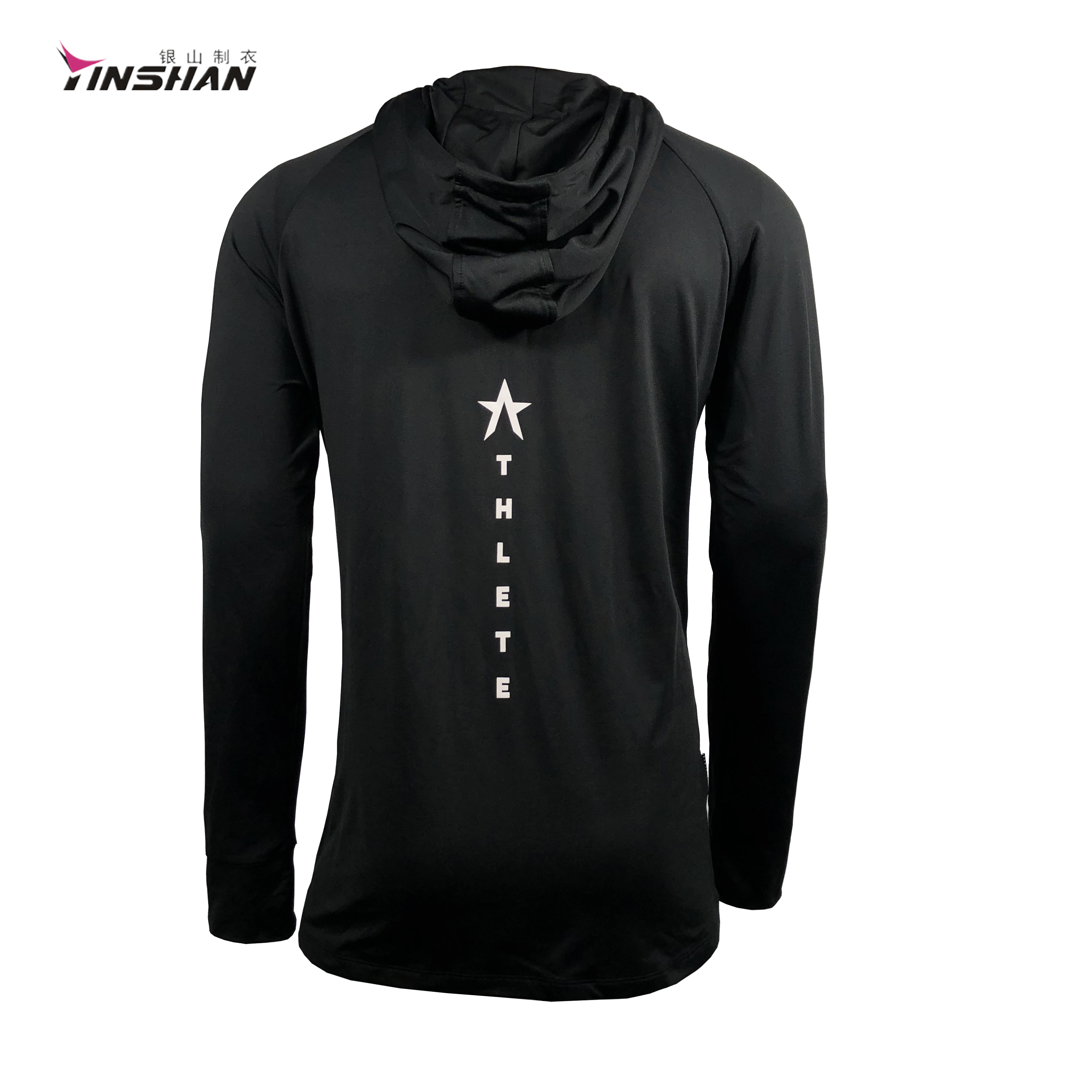
Natural fibres are not automatically lower impact; the growing and processing method is what the claim rests on.
No sportswear order is impact-free. The realistic goal is to reduce the impact that can be reduced, to document what you claim, and to avoid claiming more than the evidence supports. A buyer who asks for the certificate, checks the scope and matches the claim to the material is already ahead of most of the market — and considerably better protected than one who repeats a supplier's adjective.
It replaces virgin polymer with recovered material, which reduces the demand for new fossil feedstock. It is still a synthetic fibre with the same shedding and end-of-life characteristics, so the benefit is real but not unlimited. Durability and wash behaviour still matter more over the garment's life.
It depends on the claim. Fibre claims generally require a chain-of-custody standard plus a transaction certificate for the specific batch; organic claims require an organic standard; logo use requires permission from the certification body. Always check the scope and current validity.
Usually yes for recycled polyester, which is often quoted alongside virgin polyester in the same quality family at a modest premium. Organic cotton and specialty cellulosic fibres are more likely to carry a fabric minimum, so ask early.
Make only the claim you can document, match the claim to the actual material and process, check the certificate scope and date, and comply with the labelling rules of the certification body. If a claim cannot be evidenced in writing, remove it.
Tell us the claim you intend to publish and the volume you are working with, and we will confirm which material and certification route can support it, with the applicable certificate provided with the quotation.
 English
 Español
 Português
 Français
 Pусский
 Deutsch
 العربية