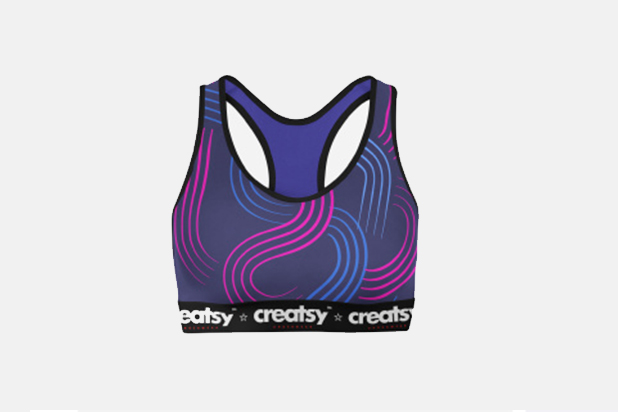
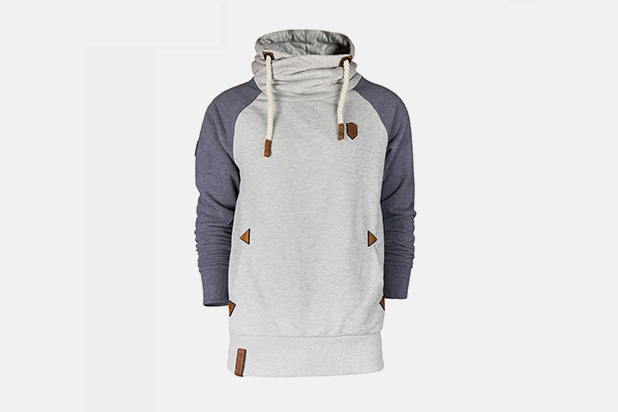
Walk into any sports club on a training night and the clothing tells you most of what you need to know. How many players are in matching kit, how the coaches are dressed, whether there is a club shop rail in the corner — these details are a reasonable proxy for how organised the club is.
That is why custom teamwear is close to universal across sports teams, from grassroots clubs to professional academies. It is not only about looking smart. Teamwear is the club's identity, its most reliable revenue line, and the physical object that holds a squad together across a season.
Quick answer: Custom sports teamwear matters to clubs for five practical reasons — it creates a visible identity, it gives sponsors something to buy, it supports recruitment and retention, it makes kit management easier through consistent sizing and reordering, and it gives the club a product range it can sell. Most clubs buy it in tiers: match kit, training kit, and coach, staff and supporter clothing.
This guide is written for the people who actually place the order: club committee members, kit managers, sports directors, distributors who supply clubs, and brands building private-label teamwear. If you are at the point of choosing garments, our custom teamwear range is the fastest route, and you can send a full brief through our custom requirement page.
Teamwear spread for reasons that are mostly organisational rather than aesthetic. Five of them explain almost every club order we see.
Identity. Colour and crest tell players, opponents, officials and parents who is who. In junior sport this is not cosmetic: it is how a coach finds their squad in a crowded hall.
Sponsor value. Sponsors buy visibility. A club that can show a consistent kit worn at every fixture has something to sell, and a signed kit is a tangible deliverable for a sponsor agreement.
Recruitment and retention. New members compare clubs partly by how they look and how they are treated. Walking into a squad already in matching kit is a different experience from being handed a numbered bib.
Kit management. Ordering a defined garment in a defined size range, in club colours, removes the annual scramble of borrowed shirts and mismatched sizes.
Revenue. Replica shirts, hoodies, caps and training tops sell to family and supporters. For many clubs this is the most predictable income stream outside membership fees.
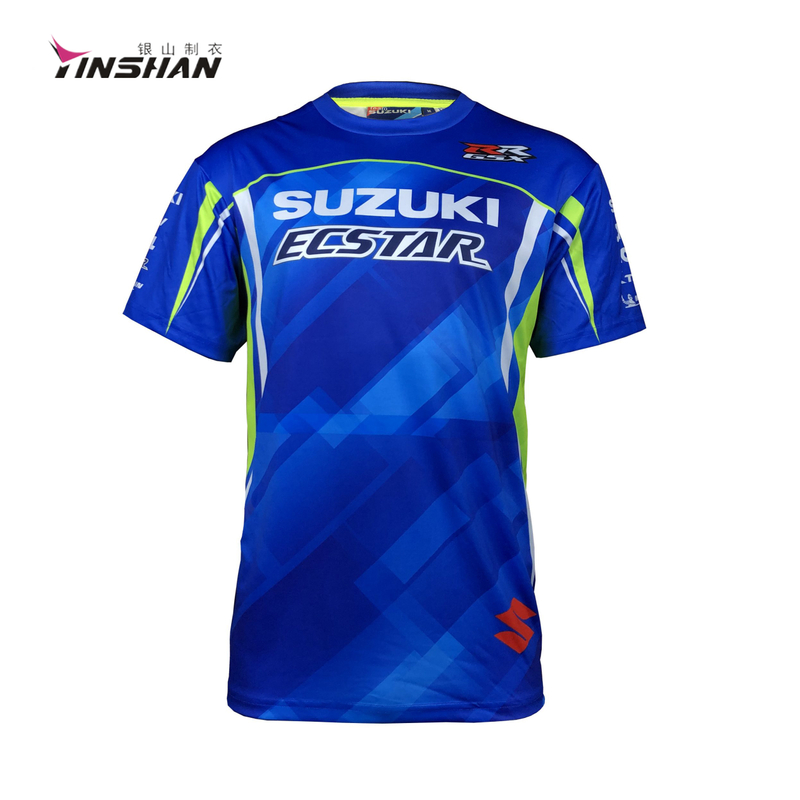
Teamwear is the most visible asset a club owns: it appears in every match photograph, at every registration evening and on every sponsor's report.
The garment mix varies more by sport than buyers expect. The table below summarises what clubs in the most common sports tend to order.
| Sport | Core order | Additional pieces |
|---|---|---|
| Football and rugby | Match shirts, shorts, socks | Training tops, waterproof outerwear, coach kit, supporter replica |
| Basketball and netball | Reversible vests, shorts | Warm-up tops, shooting shirts, team hoodies |
| Cricket | Coloured kits, whites | Short-sleeve and long-sleeve options, sweaters, sun hats |
| Athletics and running | Singlets, crop tops, shorts | Lightweight jackets, race-day kit, support-staff clothing |
| Cycling | Jerseys, bib shorts | Gilets, arm and leg warmers, club casualwear |
| Motorsport and team sports with pit crews | Team shirts, protective pieces | Softshell jackets, staff kit, sponsor-visible outerwear |
| Gym and functional fitness | Training tees, shorts, leggings | Hoodies, gym vests, coach kit, branded casualwear |
Two patterns hold across every sport. Match kit is ordered in relatively small quantities and changes more often; training and casual kit is ordered in larger quantities and changes slowly. A club that plans both together usually gets a better price and a more consistent look.
Clubs rarely have the budget to do everything in year one. The table below is the sequence most clubs work through.
| Priority | What to order | Why it comes first |
|---|---|---|
| 1. Match kit | The garment players compete in, in club colours | It is the piece everyone sees and the piece regulations usually require. |
| 2. Training kit | T-shirts, training tops or singlets | Worn far more often than match kit and cheaper per unit. |
| 3. Coach and staff kit | Polos, jackets or softshells | Small quantities, high visibility, and it makes a club look organised. |
| 4. Supporter range | Replica shirts, hoodies, caps | Creates revenue that can fund the next kit order. |
| 5. Travel and presentation | Tracksuits, bags, presentation polos | The final layer, once the core range is stable. |

Most clubs order two tiers of kit — match kit that identifies, and training kit that gets worn far more often.
Almost every complaint a club raises a season later traces back to a decision that was skipped before production. These are the ones worth an extra week of planning.
A real size range. Juniors, women's fits and larger sizes are not optional extras. Ask for a proper curve rather than ordering singles and hoping.
Colour references. Give the supplier a physical reference or a defined colour code, and confirm it on the actual fabric — club colours drift badly when they are specified verbally.
Decoration method chosen per garment. Sublimation for polyester kit, embroidery for polos and jackets, print or transfer where artwork is detailed.
A named approval sample. One person signs off the pre-production sample, and it is kept as the reference for every future order.
Reorder plan. Ask how quickly the same design can be repeated mid-season, because clubs lose players and gain them constantly.
Care instructions. Kit that is washed weekly needs decoration and fabric that survive it, and members need to know what to avoid.
A complete brief saves a round of emails and usually a round of sampling. Send the following together.
Sport and level. Which sport, which age groups, and whether the kit has to meet any competition regulation.
Garment list. Each piece, with quantities per size.
Colours. Club colours, plus any secondary or trim colours.
Branding. Club crest, sponsor logos, names and numbers, and where each one goes.
Fabric expectations. Durability, weight, breathability and whether recycled materials are required.
Budget and quantity. An indicative budget per player helps a supplier propose the right construction.
Deadline. The date the kit must be in members' hands, worked back to allow for sampling.

Coach, staff and supporter pieces are usually the easiest teamwear line to sell, because the sizing is familiar and the reorder cycle is short.
Usually yes, and the reason is financial rather than sentimental. A defined kit range removes the annual cost of replacing mismatched garments, and the supporter range gives the club a product it can sell. A small club can start with one match-kit line and one training top rather than a full range.
Order match kit to squad size plus a small margin for late registrations, then order training and supporter garments in bulk based on expected demand. Quantity breaks mean a slightly larger first order is often cheaper per unit than two small ones.
Yes, and most clubs want that. A single base design with a colour or trim variation for each age group or section keeps the identity consistent while making the teams distinguishable. It also reduces the number of patterns the supplier has to produce.
Ask before the first order how repeats are handled. A supplier who keeps the pattern, colour reference and artwork on file can repeat an order accurately; one who does not may deliver a slightly different shade or fit six months later.
The clubs that get the most out of teamwear are the ones that treat it as a system: a defined range, a documented size curve, a locked colour reference and a supplier who can repeat the order. That is what turns kit from an annual headache into an asset the club can sell.
Send Yinshan Sportswear your garment list, artwork, sizes, quantity and delivery country to request a custom quote.
 English
 Español
 Português
 Français
 Pусский
 Deutsch
 العربية