Finding the right custom sportswear supplier is a sourcing exercise, not a search. The difference matters: a search returns a list, while sourcing produces a shortlist you can defend and a quotation you can compare. Most buyers who end up unhappy did not choose badly so much as compare incomparable numbers.
This page sets out how to run the selection process — defining the requirement, shortlisting, evaluating a sample and comparing quotations on equal terms — and the mistakes that make a sourcing exercise produce the wrong answer.
Quick answer: Write the requirement first, then look for suppliers. The requirement should state the garment, the fabric, the decoration, the quantity, the size curve, the packing and the deadline. Send the same brief to two or three factories that already make your category, and compare quotations line by line rather than on the total. A supplier is suitable when the quotation is complete, the sample matches the specification and the answers to awkward questions are specific.
The brief is the tool that makes comparison possible. Without one, every quotation is answering a slightly different question, and the cheapest number usually wins for the wrong reason.
Garment type, cut and intended use.
Fabric: composition, weight and finish, or a quality you already know.
Decoration: method, number of positions and artwork status.
Quantity with the size breakdown, not just a total.
Packing requirement and destination.
In-hand date, and whether the deadline is fixed or negotiable.
If a category is new to you, describing the garment by its use rather than its name often produces a better response, because it lets the factory suggest the fabric instead of guessing at your specification.
The most common shortlisting error is selecting factories by quotation before establishing whether they make the garment at all. A supplier that mainly produces promotional bags will quote a technical sports tee confidently and then subcontract it.
Check they already make the category, and ask which recent orders were similar.
Check they can work with your quantity, and get the minimum in writing.
Check the decoration methods they run in house rather than subcontracted.
Check the communication route: who answers, in which language, at which hours.
Where to look and how to make first contact is covered in finding a custom sportswear manufacturer.
A sample is the only evidence a buyer can hold. Evaluate it against the brief, in the order below, and record the result so it can be compared with the other shortlisted factories' samples.
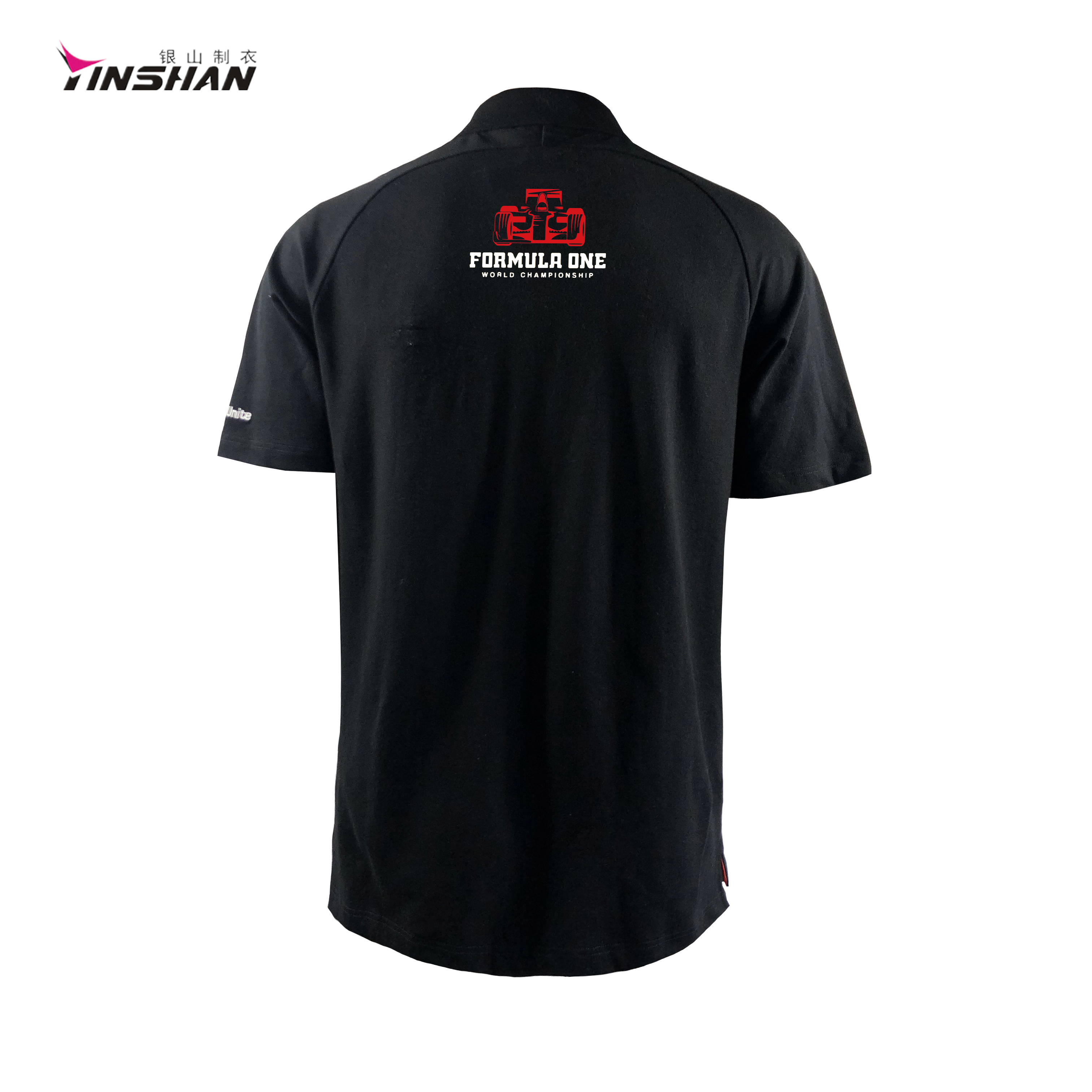
A supplier is judged on the second order, not the first, so the sample is a test of repeatability as much as of quality.
| Check | What you are testing | How to test it |
|---|---|---|
| Measurements | Whether the size chart is real | Measure chest, length and sleeve against the chart |
| Decoration placement | Whether the artwork was understood | Compare the garment to the artwork file, not to memory |
| Fabric match | Whether the specified quality was used | Compare hand feel and weight against the reference |
| Construction | Whether the garment is finished properly | Inspect seams, hems, collar and zip at the ends, not the middle |
| Wash behaviour | Whether the garment survives its use case | Wash it once and compare colour and shape against a second piece |
A factory that responds well to a sample rejection is often a better partner than one that produced a perfect first sample, because the first situation tells you how they handle a problem and the second tells you nothing about it.
Quotation comparison is where sourcing exercises are won or lost. Two totals differ for reasons that have nothing to do with price, and the differences are usually invisible unless the quotation is itemised.
Ask each factory to quote the same brief, in the same format, with the same quantity.
Require fabric composition, weight and finish on the line, not in a footnote.
Require the decoration to be split out: setup, per-unit and per-position.
Ask whether sampling is charged and whether it is credited against a bulk order.
Ask what is excluded: freight, duty, inspection, packing extras, artwork work.
Once the quotations are itemised, the comparison usually becomes obvious. A quotation that is cheaper on the garment but adds a substantial sampling charge, a separate print setup and an unspecified trim list is not cheaper. The checklist format for this stage is set out in the 12-point manufacturer checklist.
The last step is the one buyers skip. A trial order at modest volume tests the whole chain — documentation, schedule, communication and repeatability — for a fraction of the cost of discovering a problem inside a large order.
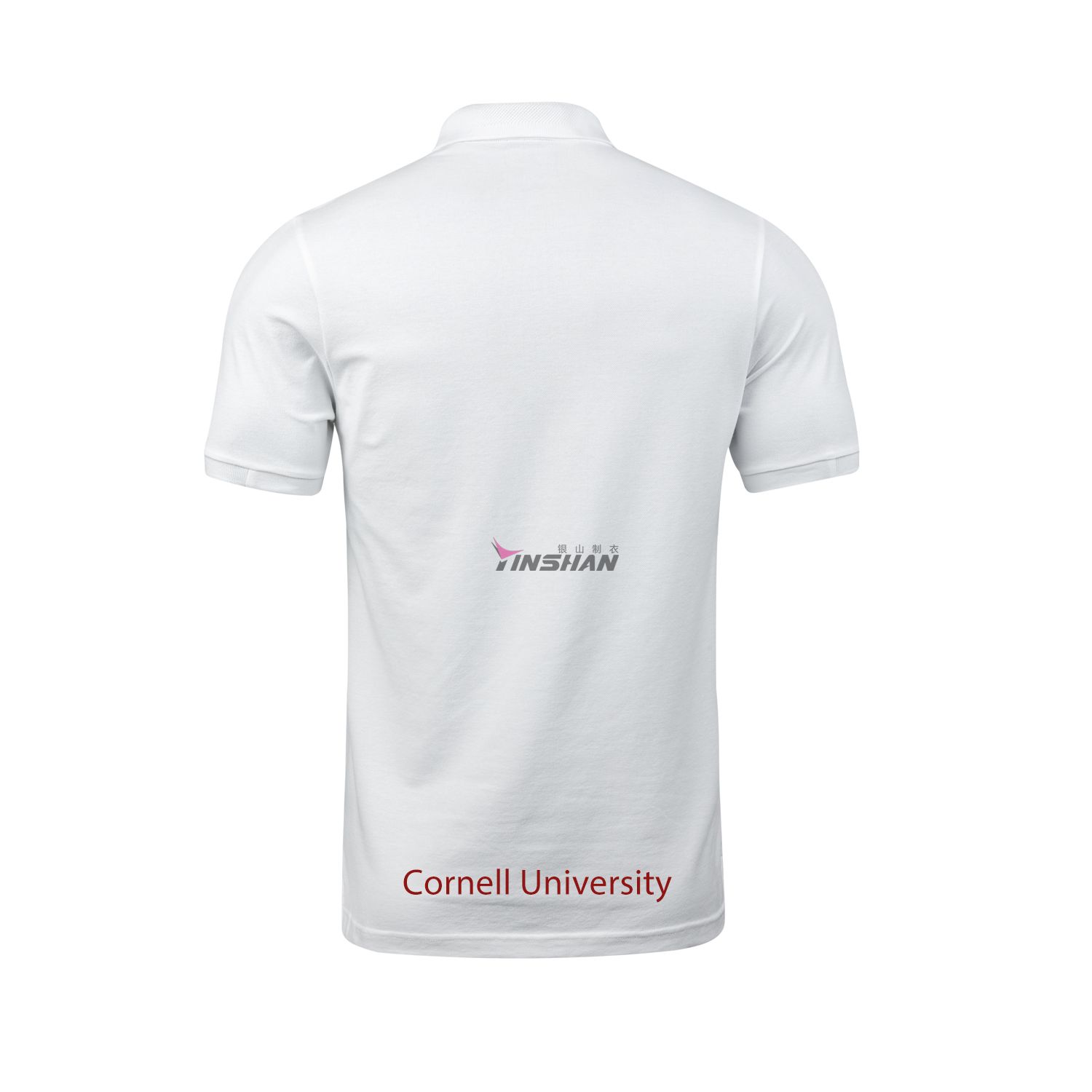
Quotations only compare when they describe the same fabric, trim list and decoration, which is rarely the case by default.
Keep the trial to one style, one colourway and a realistic quantity.
Write the specification into the order confirmation, not just the email thread.
Compare the delivered goods against the approved sample, piece by piece.
Note the actual lead time achieved against the one quoted.
Decide on the basis of the trial, not on the basis of the sales conversation.
Where the trial involves an overseas factory, the packing and shipping specification matters even at small volume, since the first shipment is where documentation problems usually surface. That side of the process is covered in packaging and shipping of sportswear.
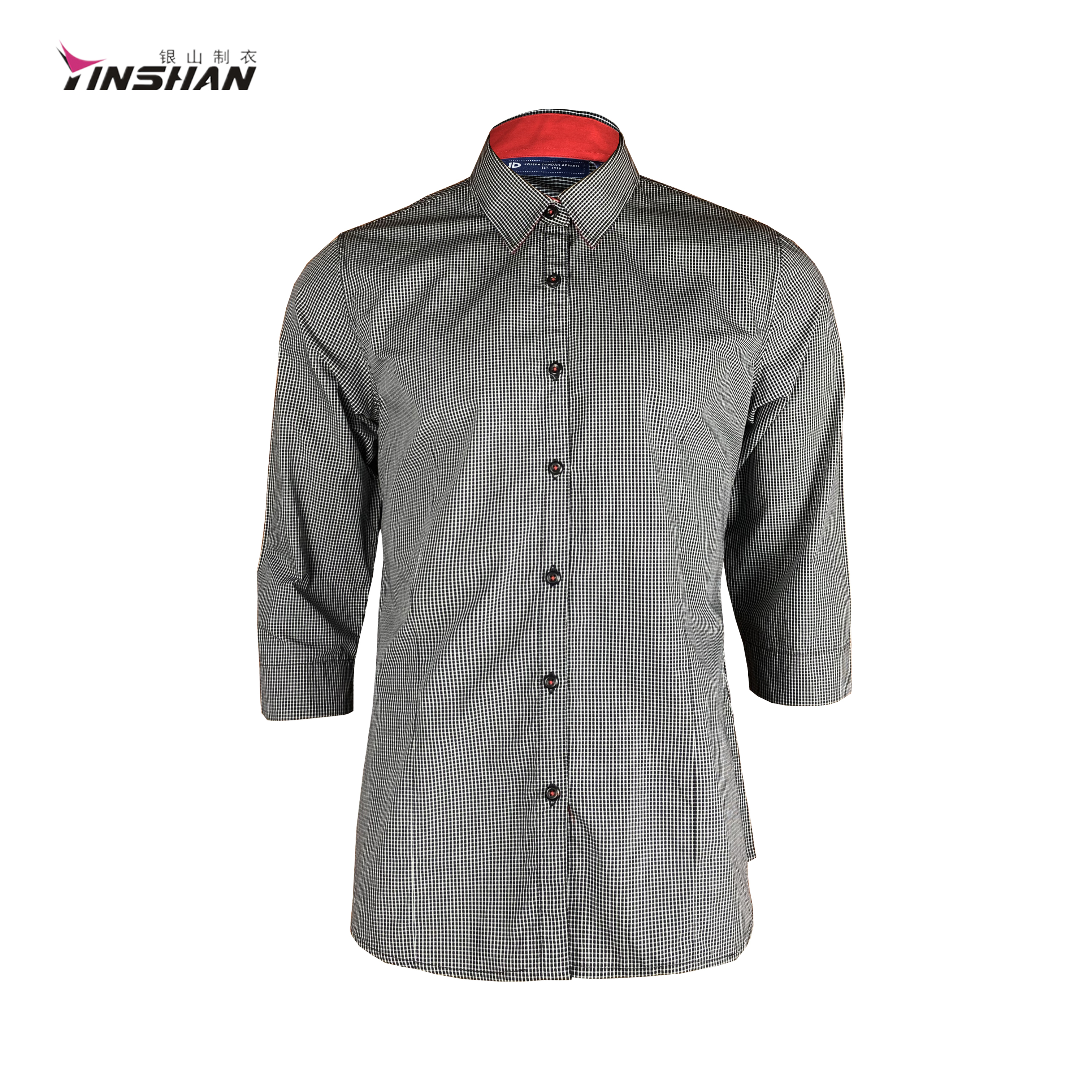
Sending the same brief to several factories is the cheapest competitive process available to a buyer.
Choosing on the lowest total without comparing what each quotation includes.
Sending a different brief to each factory, then comparing the replies.
Skipping the sample and going straight to bulk because the price looked good.
Judging a supplier by how quickly they reply rather than by what they answer.
Ignoring the second order — the one that reveals whether the specification holds.
Two or three that genuinely make your category is the useful number. More than that produces repetitive quotations rather than better ones, and one alone gives you no basis for comparison.
Expect to. Sampling has a real cost and most factories charge for it, sometimes crediting it against a bulk order. A supplier offering free samples on a first enquiry is competing on price rather than on process.
Send a quotation template with your brief and ask each factory to complete it. If they will not, itemise their reply yourself by fabric, decoration, setup, sampling, packing and freight before comparing totals.
Trust follows a trial order rather than a conversation. One modest order, delivered against the specification with the lead time met, tells you more than any number of assurances.
Send your brief in writing and we will quote it line by line — fabric, decoration, sampling, packing and freight separated — so you can compare it against other suppliers on equal terms.
 English
 Español
 Português
 Français
 Pусский
 Deutsch
 العربية