Corporate apparel is often bought as a one-off — a launch, an anniversary, an event — and then allowed to expire. That misses the point of it. A uniform purchased once is a cost; a programme that is replenished and maintained becomes the most consistently visible marketing an organisation owns, and it is the only one that moves around on its own.
This page sets out why custom corporate apparel matters commercially, how a programme differs from a single order, and how to structure one that survives beyond its first year.
Quick answer: Custom corporate apparel is essential for four reasons: it makes staff identifiable on sight, it standardises how the company looks across locations, it gives employees clothing they choose to wear, and it produces repeated brand exposure at no ongoing media cost. The difference between a uniform order and a programme is documentation — fabric, colour, decoration and size chart recorded once, so every subsequent order matches and every new hire can be dressed from stock.
Apparel is unusual among branding investments because it is worn by people who move. A sign is seen by whoever passes it; a jacket is seen at a supplier meeting, on a commute, at a site visit and in a photograph that gets published.
Identification — customers and visitors know immediately who works for the company.
Consistency — multiple sites and departments look like one organisation.
Belonging — staff who wear company clothing report it as a benefit far more often than as a requirement.
Cost efficiency — the same garment covers uniform, marketing and gifting budgets at once.
That last point is the one most often overlooked. A well-chosen corporate garment often satisfies the uniform requirement, the event requirement and the staff gifting requirement, which makes it easier to justify than three separate purchases.
The single most useful step an organisation can take is to document the corporate garment once and treat that document as the asset. Everything else follows from it.
| Programme element | What it means in practice | What it prevents |
|---|---|---|
| Specification on file | Fabric, colour, trim, size chart recorded | Season-to-season colour drift |
| Crest and artwork files held by the factory | Logo files kept under the company's name | Redrawing the logo every order |
| Standing size curve | Historical size data used for restocks | Surplus at the extremes, shortage in the middle |
| Restock mechanism | Small repeat orders as stock sells down | Dead stock and emergency purchases |
| Named owner | One person responsible for the programme | Inconsistent decisions and orphaned orders |
None of these is expensive. What they require is that the first order is documented rather than merely completed — and that the specification is treated as something the organisation owns, not something the supplier happens to remember.
A corporate wardrobe is usually three or four pieces doing different jobs, rather than one garment asked to do everything.
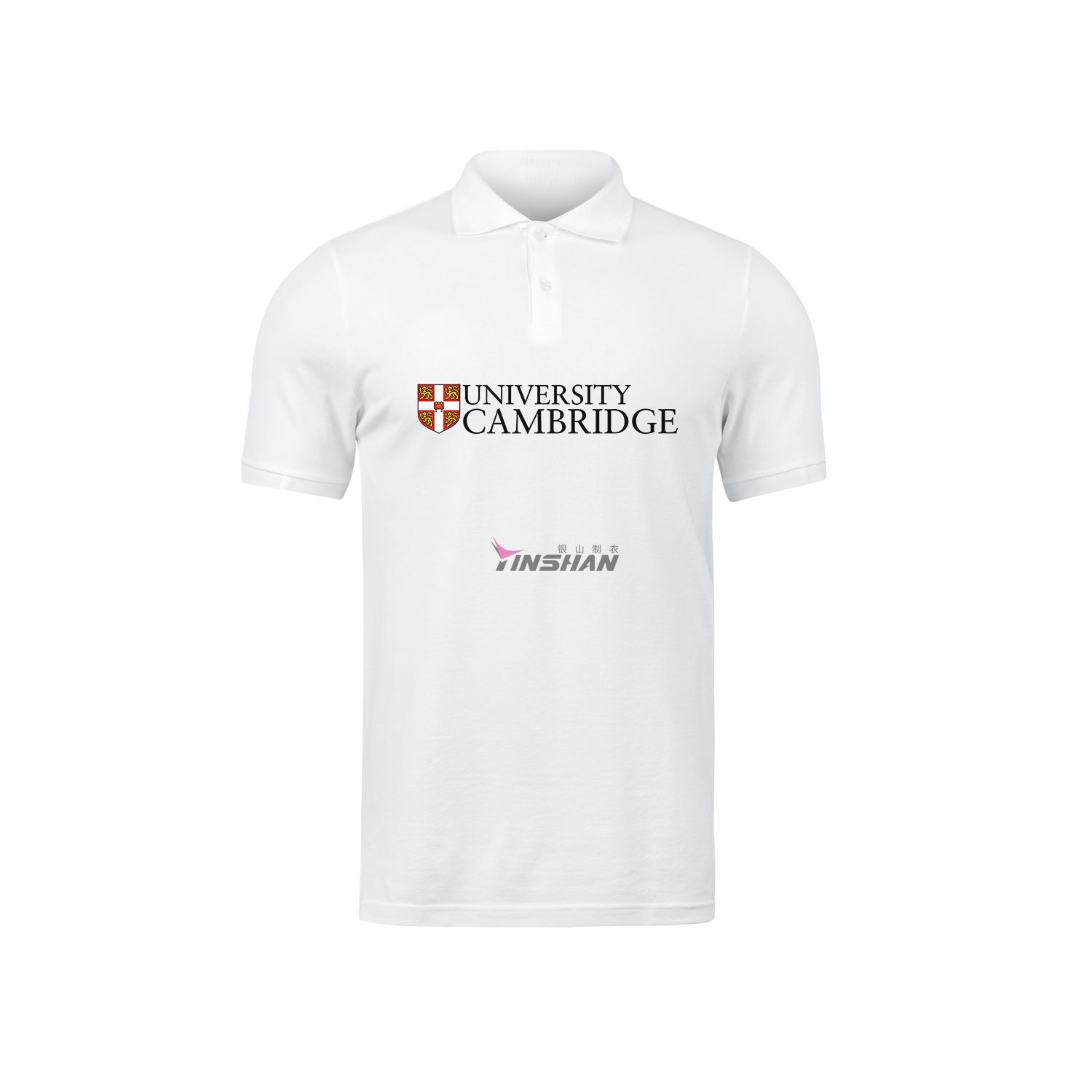
Corporate apparel works as branding because it is worn repeatedly in front of the same and different audiences.
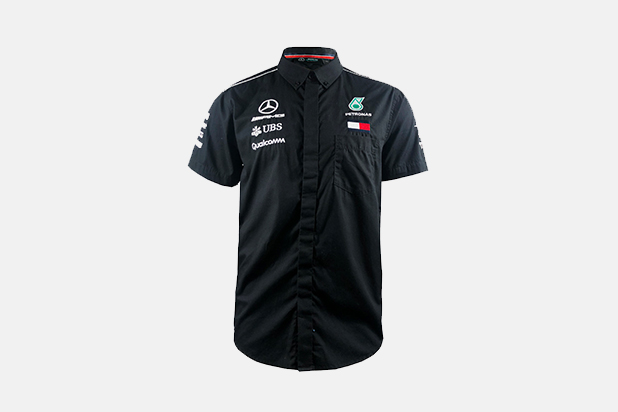
Client-facing core — polo or shirt in the brand colour, worn in meetings and on site visits.
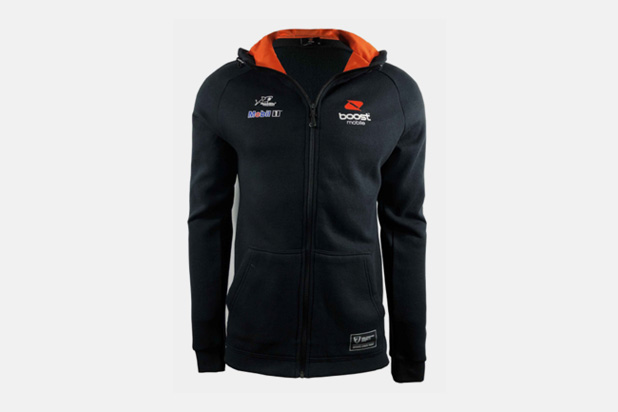
Outer layer — jacket or softshell for cold months and outdoor use, the highest-visibility item.
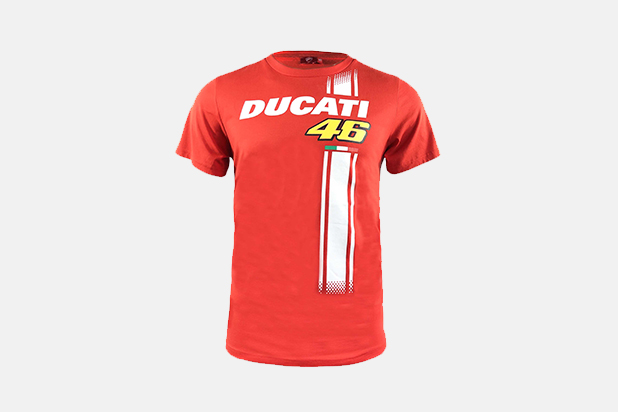
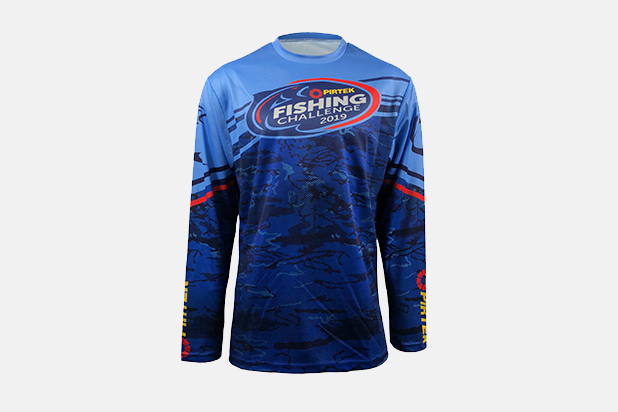
Event item — a printed tee or soft garment for launches, campaigns and conferences.
Gift piece — a better-quality garment for long service, milestones and client gifting.
Decoration should be consistent across all of them: one logo position, one size relationship, one colour. A company whose jackets, polos and event tees each carry the logo in a different place looks like three companies. The decoration trade-offs are set out in embroidery in sportswear manufacturing, and the gifting side is covered in customised gifts for employees.
The question every corporate programme eventually faces is how to dress a new starter who joins between orders. There are three workable answers and one bad one.
Hold a small buffer stock in the middle sizes, replenished as it is drawn down.
Order a modest quantity at each restock rather than only when stock runs out.
Keep a supplier arrangement that allows small top-up orders using the same specification.
Bad answer: issuing a size that is wrong and hoping it is not noticed.
Buffer stock is not dead stock if it is held in the sizes people actually wear. Holding five of each middle size and one of each extreme covers the gap between orders far better than holding an even spread.
Corporate apparel is usually justified on replacement rather than on acquisition. Counting the cost of a garment against the number of times it is worn and seen is more useful than comparing it with the cheapest alternative that could carry a logo.
Consolidate positions: one decoration position costs less and is worn more than three.
Use stock fabrics and qualities rather than custom knits, which avoids fabric minimums.
Order outerwear and core items together so a single production run covers the whole wardrobe.
Restock from the written specification, which removes the re-sampling cost on every order.
For organisations buying for the first time, the sourcing route matters as much as the garment. A documented brief sent to two or three factories in the same category produces comparable quotations, which is covered in finding a custom sportswear manufacturer.
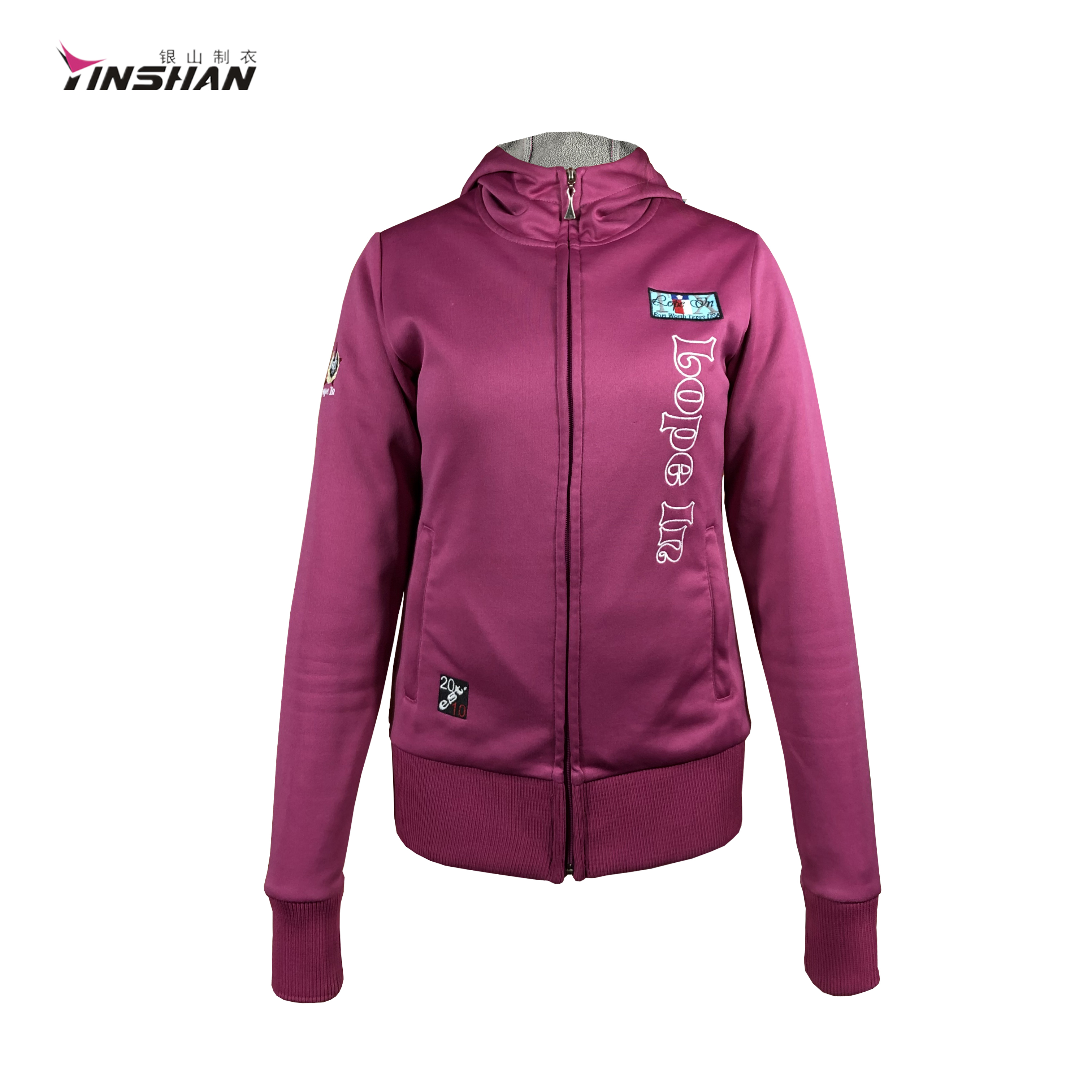
Outerwear gets the most visible wear in cold months, which makes it the highest-return garment in a corporate programme.
Ordering everything once, then discovering there is no mechanism for replacements.
Letting each department choose its own garment in its own colour.
Changing the decoration position or the fabric quality on each order.
Choosing the cheapest garment for a piece staff will wear every day.
Never asking staff which garments they actually wear.
The final point is worth acting on. Asking staff which two garments they wear most, and ordering more of those, improves a programme's return more than any design change.
Event items are single-date purchases; programme items are what build a recognisable staff presence.
Repeated, mobile brand exposure combined with staff identification. Unlike a one-off event item, a garment in a rotation is seen many times by many audiences, and it also serves as uniform and as an employee benefit.
Hold a modest buffer of the middle sizes and agree a restock arrangement that allows small top-ups on the same specification. That covers new hires without placing an emergency order at a higher unit cost.
Embroidery is the usual choice for a permanent logo because it reads as considered and lasts, while print carries larger or multi-colour artwork and suits event items with a date or a campaign message.
Yes. Stock garments with a single embroidery position carry the lowest minimum, which makes a small first order practical. The programme approach then improves the economics as volumes repeat against the same specification.
Send the roles you are dressing, the locations and the number of wearers, and we will propose a documented corporate wardrobe — garment, fabric, decoration and standing size curve — that can be restocked without re-sampling.
 English
 Español
 Português
 Français
 Pусский
 Deutsch
 العربية