Every summer, buyers order garments for people who will be outdoors in the heat for a full day — event staff, grounds crews, coaches, hospitality teams, volunteers. The shirts arrive, they are issued, and within a week half of them are not being worn. The reason is rarely the design. It is that the fabric was chosen for the price and not for the conditions.
This page covers our ICE NICE cool fabric polo shirts and tee shirts: what a cool-touch fabric actually is, how it differs from moisture-wicking performance fabric, how the cooling claim should be tested rather than believed, how decoration behaves on an engineered knit, and how summer programme orders are structured.
Quick answer: ICE NICE is a cool-touch fabric — a knit engineered so that the surface feels noticeably cool against the skin when the garment is put on, usually by combining a fibre with high thermal conductivity with a structure that spreads heat away from contact points. It is distinct from moisture-wicking fabric, which moves sweat away from the skin but does not necessarily feel cool at rest. Cool-touch is best judged by the hand feel on contact and by how the fabric behaves after ten washes, not by a description. It can be printed and embroidered, but the decoration has to be tested on the actual surface because the knit is engineered for a specific feel.
For fabric engineered primarily to move sweat rather than to feel cool, see our polyester wicking sports tee. For a structured summer polo, compare the cotton spandex pique mesh polo.
These two claims are often printed on the same label and they describe different mechanisms. Buyers who treat them as interchangeable usually end up with a garment that does one job when the brief required the other.
| Property | Mechanism | When it helps | How to judge it |
|---|---|---|---|
| Cool touch | Heat moves away from the contact points quickly | The moment the garment is put on, and at rest in warm conditions | Hand feel on first contact and after repeated washing |
| Moisture wicking | Liquid is drawn away from the skin and spread to evaporate | During sustained activity and sweating | A controlled wear test, not a static one |
| Air permeability | Air passes through the structure | Standing conditions in still, warm air | Structure inspection and a breath test across the fabric |
| UV protection | The fabric and its construction block UV transmission | Direct sun on exposed wearers | A stated rating on the fabric, checked against the garment weight |
The practical reading is that cool touch is a comfort property and wicking is a performance property. A shirt for someone standing at a gate all day in the sun is mostly a cool-touch and air-permeability brief. A shirt for someone running in the heat is mostly a wicking brief. Some fabrics do both, but the buyer should say which one is the priority.
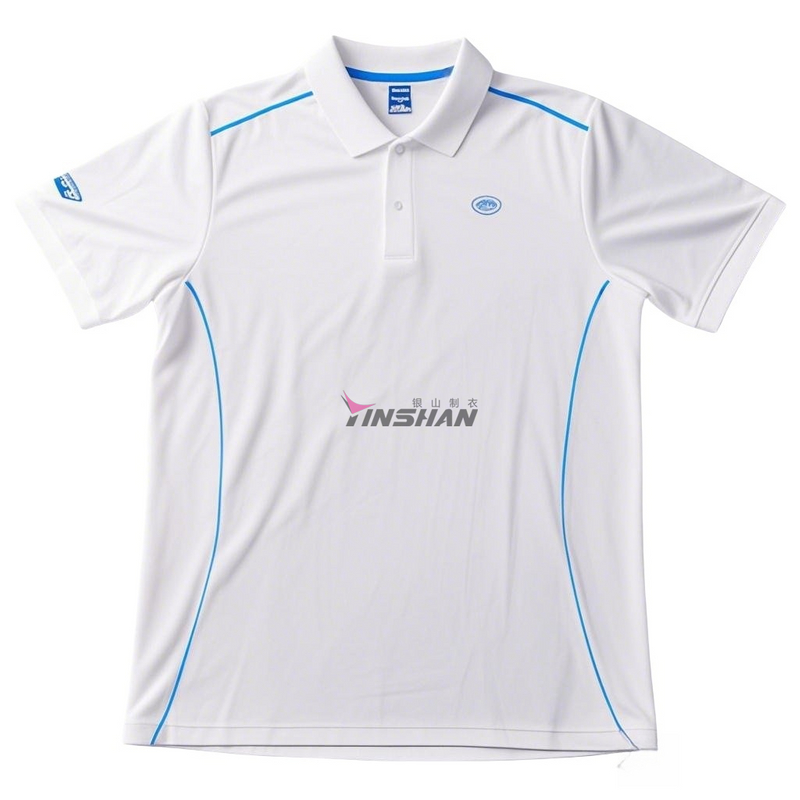
A cool-touch fabric is judged in the first thirty seconds of wear, which is why the hand feel matters as much as the measured performance.
Ask for a physical swatch, not a description. Cool touch is a contact sensation and it does not photograph or describe well.
Test it against a control. Compare the swatch with a standard knit at the same weight, in the same conditions, rather than judging it in isolation.
Ask what happens after washing. Cool-touch finishes applied to a surface can diminish, while cool-touch properties built into the fibre persist. Ask which one is being offered.
Ask for the measured basis of any claim. Where a specific performance figure is claimed, ask which test method produced it and on which fabric weight.
Ask what the cooling claim does not cover. A supplier who can explain the limits of a fabric is easier to trust than one who cannot.
Print. Works on a smooth cool-touch face, but the ink and the curing have to be matched to the fabric. A print that stiffens the surface defeats the purpose of the garment, so the hand feel of the decorated area should be checked on the sample.
Embroidery. A stitch field reduces the fabric's ability to move air and adds weight. Keep embroidered logos small on a light cool-touch knit, and use the right backing so the panel does not pucker.
Coverage. A full-back print on a light summer shirt is a comfort decision as well as a design one, because it changes how the fabric behaves over a large area.
Colour. Light colours reflect more sunlight and generally feel cooler in direct sun. If the design allows it, a lighter base supports the purpose of the garment.
Sample first. On an engineered fabric, the decoration changes what the wearer feels. Approve a decorated sample, not just a shirt.
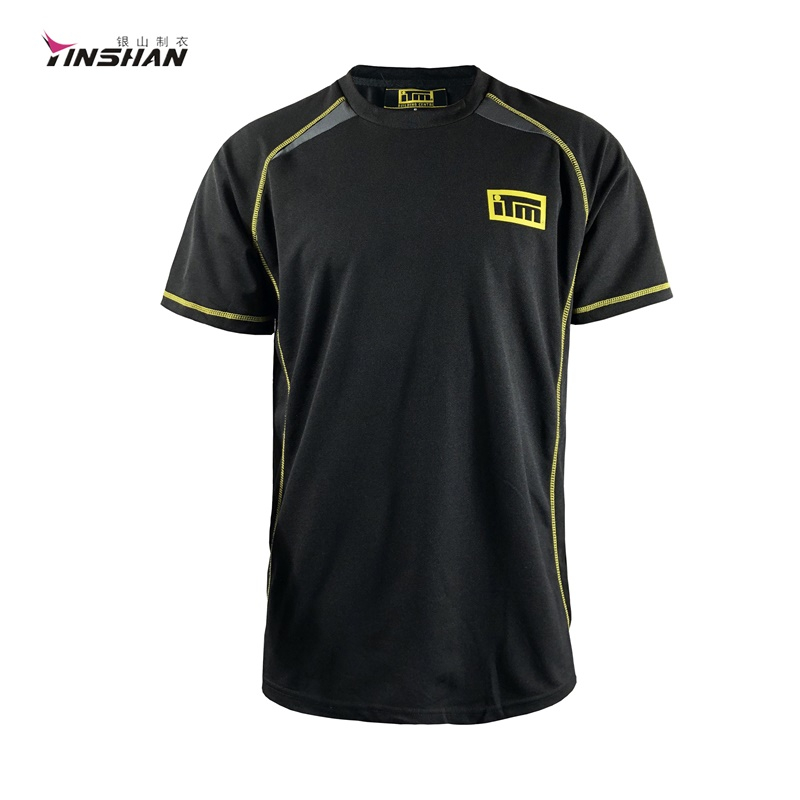
Decoration on a cool-touch knit has to be tested, because the surface is engineered for a specific hand feel.
Event organisers equipping staff and volunteers who are outdoors for a full day in summer.
Sports clubs wanting a summer training or warm-weather polo that members will actually wear.
Grounds and facilities teams needing a uniform shirt that stays tolerable in the heat.
Hospitality and tourism operators dressing staff who work outdoors or in unconditioned spaces.
Schools issuing summer shirts for sports days, trips and outdoor duties.
Brands and distributors adding a hot-climate garment to a range sold into markets where summer comfort is the deciding factor.
| Item | Why it matters | What to send |
|---|---|---|
| Which property is the priority | Cool touch, wicking and air permeability are different briefs | A description of what the wearer is doing and for how long |
| Garment type | A polo and a tee use different knits for the same brief | Whether the shirt is uniform wear or active wear |
| Fabric weight | Lighter fabric cools better but shows more and lasts less | The climate and how often the shirt will be washed |
| Base colour | Light colours support the purpose of a summer garment | The club or brand colours, plus any flexibility on the base |
| Decoration | Print and embroidery both change the hand feel of the fabric | Vector artwork with the decorated area shown at actual size |
| Sample | The only reliable way to judge cool touch and decorated hand feel | Confirmation that a decorated sample is required |
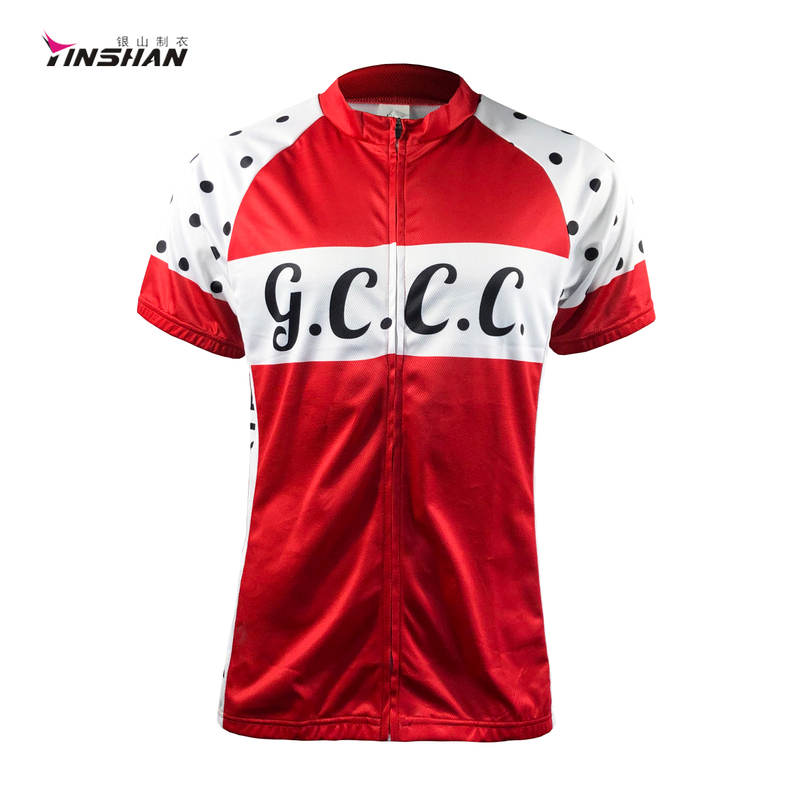
Summer programmes order these shirts for staff who are outdoors all day, where comfort decides whether the uniform is actually worn.
Is cool touch the same as moisture wicking? No. Cool touch describes how the fabric feels on contact. Wicking describes how it moves sweat away during activity. Some fabrics do both, but the priority should be stated.
Will the cooling effect last after washing? It depends on how it is achieved. A property built into the fibre persists; a surface finish may diminish. Ask which one is being offered and how it behaves after repeated laundering.
Can the shirt still be printed and embroidered? Yes, but the decoration has to be tested on the actual fabric, because the ink and the stitch field both change the hand feel.
Does a light colour make the shirt cooler? Lighter colours reflect more sunlight and generally feel cooler in direct sun, so the base colour and the cooling brief are related decisions.
Can we order both polos and tees in the same fabric? Yes, and it is common where a programme needs two garment types in one colourway so staff and volunteers look consistent.
How should a cool-touch garment be washed? At a moderate temperature and inside out, without fabric softener, which coats the fibre and works against the fabric's purpose, and without high-heat drying or ironing over decorated areas.
Send the quantity by size, whether the wearer is active or stationary, the climate and how long the garment will be worn, the colourways, the garment type, the artwork with the decorated area shown at actual size, and the date the shirts must be delivered. You can send a custom requirement directly, compare this fabric with our cotton elastane jersey polo, or browse the wider teamwear range. Request a quote.
 English
 Español
 Português
 Français
 Pусский
 Deutsch
 العربية