Custom sportswear is a design-led category. Two brands can order the same garment type, in a comparable fabric, at a similar price, and still end up with very different products on the shelf or on the pitch. The difference is design direction: the colours, cuts, fabrics and finishing details that make a garment feel current rather than generic.
For brands, clubs, retailers and distributors, reading that direction early is a commercial advantage. It shortens the gap between a trend appearing at trade shows and the moment your own range reflects it, and it reduces the risk of committing to a design that already looks dated by the time it reaches your customers. This overview summarises the design directions we see moving through custom sportswear, and explains how to turn them into a brief a factory can quote accurately.
Quick answer: Sportswear design trends are built from four practical inputs — colour direction, fabric and performance, silhouette and fit, and finishing details such as seams, prints and embroidery. For a custom order, the useful question is not "which trend is loudest" but "which trends suit my sport, my users and my production budget". Confirm colour, fabric and decoration on a physical sample before bulk production.
This guide is written for the people who place the order: brand owners, team managers, retail buyers, distributors and private-label start-ups. It covers where trend direction comes from, the directions that matter this season, and the decisions to settle before you commit to production.
If you already know the garment you need, start from our custom sports teamwear range or browse fitness and activewear. If you are still choosing materials, read how to take good care of sportswear before you lock the fabric.
Trend direction rarely appears out of nowhere. It is assembled from a small number of recurring sources, and knowing them helps buyers judge which signals are worth acting on.
Trade shows and forecasting platforms. Events such as ISPO Munich bring fabric mills, colour forecasters and finished-garment brands into one place. What appears there usually reaches mainstream ranges one to three seasons later, which is why buyers treat it as an early signal rather than a shopping list.
Colour authorities and seasonal palettes. Annual colour announcements shape everything from team kits to packaging, and they are often the first sign that a shade is about to feel familiar rather than novel.
Sport and street crossover. Performance garments increasingly borrow from streetwear and workwear, and the reverse. Athleisure, technical workwear and post-sport clothing all live in this crossover.
Material and finishing innovation. A new knit, a recycled yarn or a different seam construction can create a trend on its own, because it changes both how a garment performs and how it looks.
Consumer behaviour. Hybrid working, outdoor participation and casual team sports have changed what people expect a sports garment to do, and how often they expect to wear it.
In our own trend work — developed with the design studio IBUMAR and informed by ISPO Munich — we look at seven dimensions: colour, materials, style, design, function, performance and usage scenario. That structure turns a vague impression into a checklist you can brief a manufacturer against, which is the only form in which a trend is actually useful.
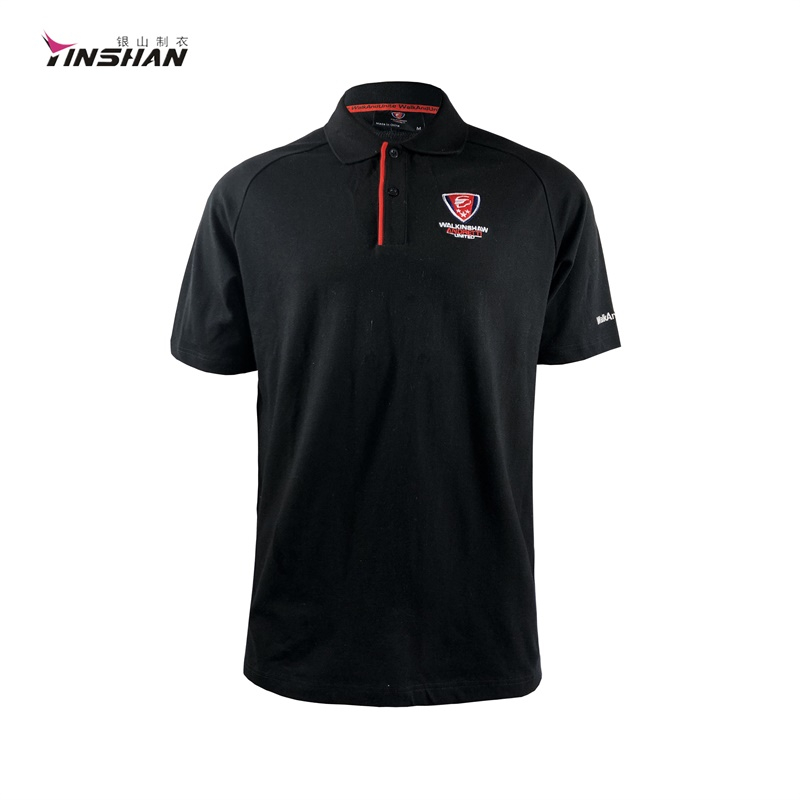
A structured polo with embroidered branding remains one of the most versatile pieces in a custom teamwear range.
The directions below are the ones we see repeated across buyer briefs, and each carries a practical implication for production.
Optimism in colour, comfort in tone. Bold, confident shades are being balanced against soft, calming ones. Many buyers now order two colourways: a strong team option and a muted lifestyle option.
Performance-led comfort. Lightweight, breathable knits with a soft hand-feel are preferred over heavy, stiff construction — even for teamwear that has to survive a full season.
Athleisure crossover. Garments designed to move between training, travel and everyday wear remain the defining direction for lifestyle-led brands.
Recycled and traceable materials. Recycled polyester, organic cotton blends and documented fibre sources are shifting from premium niches to mainstream briefs.
Calmer neutrals. Beige, ecru and warm grey are being used to move a performance garment toward the workplace or the street without losing its technical identity.
Texture over flat print. Where graphics were once the default, tonal texture — jacquard, mesh panels, quilting — now carries the design.
Confident colour blocking. Two- and three-colour garment blocking, especially in team kit, cycling and esports.
Minimal black and white. Cleaner lines, less print, and more emphasis on cut, fabric and finish.
None of these directions stands alone. A single garment can combine a recycled knit, a colour-blocked panel and a soft neutral, which is exactly why a written brief matters more than a trend list.
Colour is the fastest and cheapest way to make a garment feel current, and also the easiest thing to get wrong. The table below summarises the directions we see most often and the practical note for buyers.
| Colour direction | Where it works best | What to check before ordering |
|---|---|---|
| Warm red and coral tones | Team kit, jackets, fan merchandise | Confirm the exact shade on fabric, not on screen; reds shift noticeably between substrates. |
| Fresh green and apple green | Training tops, cycling, outdoor | Pair with a neutral base to keep the range wearable across seasons. |
| Turquoise and blue-green | Athleisure, post-sport, lifestyle ranges | Works well with natural and sand tones; check colour fastness for outdoor use. |
| Lavender and soft pastels | Yoga, recovery wear, women's activewear | Pastels show seams and shading; agree the stitch and panel plan early. |
| Beige, ecru and warm neutrals | Workwear crossover, premium basics | Neutrals must match across garment types in a range; dye lots matter. |
| Clean white | Tennis, gym, retail collections | White highlights transparency and logo edges; specify fabric opacity. |
| Deep black | All categories, minimal lines | Use matte or shiny finishes to add depth; confirm wash-fastness with trims. |
| Confident colour blocking | Team kit, cycling, esports | Agree panel sizes and placement on a sample before bulk cutting. |
A practical rule: choose the base colour for durability and cost, and let the accent colour carry the trend. That way the range still looks current after one accent shade falls out of favour.

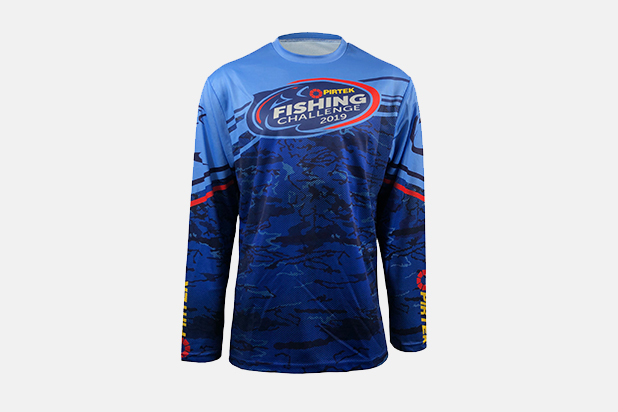
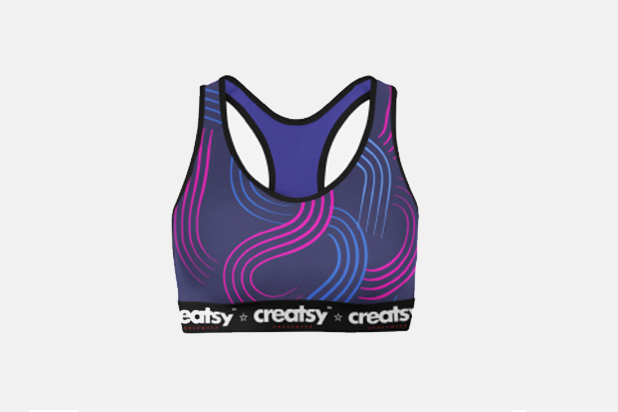
Sublimated performance tops let a buyer carry a full colourway, sponsors and graphics without adding weight.
Fabric decisions sit behind almost every visible trend. A colour looks different on a matte knit than on a shiny woven, and a silhouette only works if the material has the right weight, stretch and recovery.
| Fabric direction | Why buyers ask for it | Typical use |
|---|---|---|
| Recycled polyester | Reduces virgin-plastic use and supports sustainability claims | T-shirts, training tops, teamwear |
| Polyester–elastane blends | Stretch and shape recovery for fit-critical garments | Leggings, fitted tops, cycling |
| Moisture-wicking knits | Comfort and temperature control during activity | Training, running, gym |
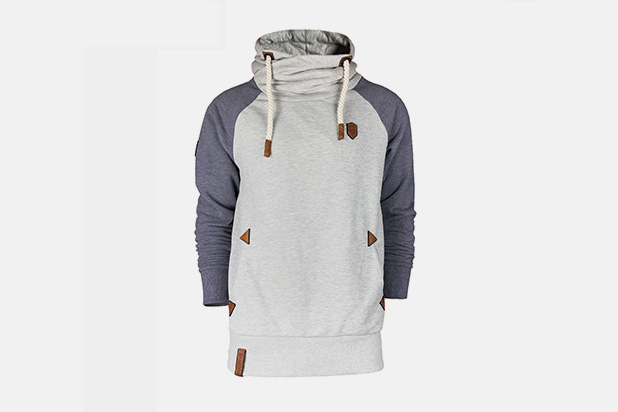
| Brushed-back fleece | Warmth with a soft hand-feel | Hoodies, warm-up and leisure ranges |
| Organic cotton blends | Softer handle and a natural story for lifestyle ranges | Casual tees, retail collections |
| Structured woven fabrics | Sharp lines for polo shirts and uniforms | Corporate, team polo, workwear |
Two notes for B2B buyers. First, performance claims should be matched by documentation: if a buyer is going to print "recycled" on a label, the fibre needs to be traceable. Second, ask for the fabric weight in grams per square metre and the stretch percentage, because those two numbers predict how the garment will behave far more reliably than a descriptive name.
The quiet trends in sportswear are often the ones with the longest commercial life, because they are structural rather than decorative.
Fit and silhouette. Straighter, easier cuts are replacing extreme compression, which makes sizing more forgiving and reduces returns.
Visible seams and flatlock stitching. Contrast or exposed stitching adds design value at low cost and signals a technical garment.
Panel construction. Mesh panels, raglan sleeves and colour-blocked side panels allow one base pattern to serve several market variants.
Embroidery and high-density detail. Raised logos and dense embroidery remain a premium signal, particularly on polo shirts, caps and jackets.
Heat-sealed and bonded trims. Cleaner than stitched alternatives, and useful where weight and bulk matter.
Hardware and trims. Zip pulls, drawcords and thumbholes are small features that end users notice and remember.
A trend only becomes useful when it survives contact with a budget, a size range and a delivery date. The table below converts the directions above into the questions a buyer should settle before ordering.
| Decision | Question to settle | Why it matters |
|---|---|---|
| Garment type | Which two or three pieces carry the range? | A focused range reduces tooling, stock and minimum-order pressure. |
| Colour plan | One hero colourway plus a neutral base? | Extends the commercial life of the design. |
| Fabric | Performance, comfort or sustainability first? | Drives cost, lead time and how the garment feels. |
| Decoration | Embroidery, print or heat-seal? | Affects durability, cost, artwork lead time and the look of the logo. |
| Size range | Which sizes and fits are really needed? | Prevents dead stock and improves reorder accuracy. |
| Sampling | Who signs off on the pre-production sample? | The sample is the only reliable approval point. |
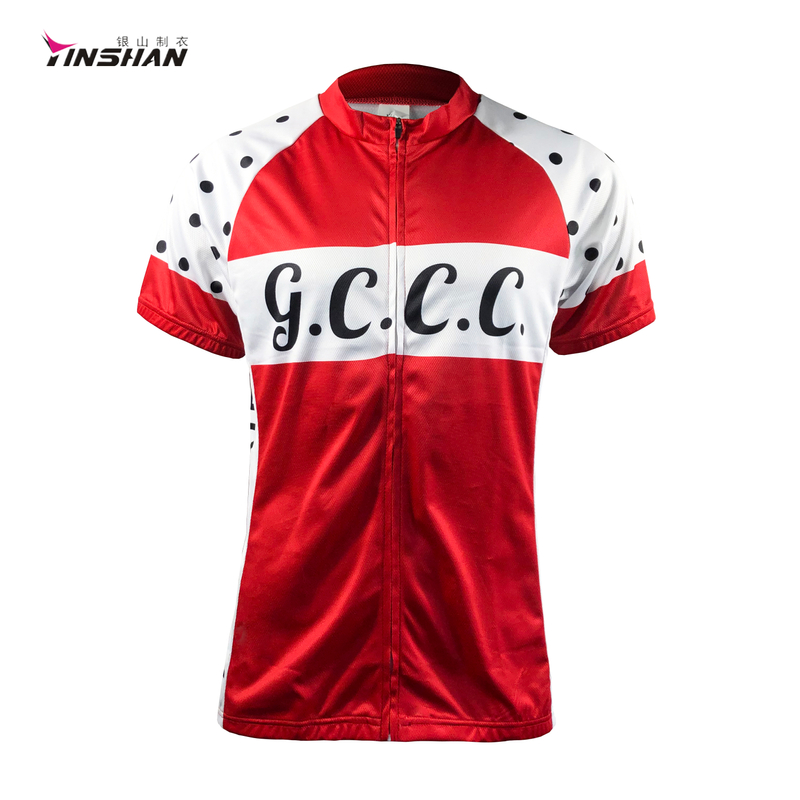
Team kit is where design direction shows fastest: colour blocking, panels and decoration all live on one garment.
Current enough to look intentional, but not so trend-specific that it dates within one season. The most durable approach is a neutral or classic base with one or two trend-led details — a colour, a panel or a trim — that can be changed at the next reorder without reworking the whole garment.
Start with the club or brand colour, then choose a supporting neutral that photographs well and stays available. If you want a second colourway, add a quieter lifestyle option rather than a second bright colour, so the range covers both match day and everyday wear.
For most team and training garments, a moisture-wicking polyester knit is the practical default. Add elastane where fit and recovery matter, such as leggings or fitted tops. For lifestyle and retail ranges, a cotton blend often reads better. The right answer depends on how the garment will be worn, not on the fabric name alone.
Yes. Sampling is the standard way to approve colour, fabric weight, fit, decoration and label placement before bulk cutting. Approve the physical sample — ideally after a wash test — rather than a digital mock-up, because screens cannot show fabric texture or shade accuracy.
Translate the trend into decisions: garment type, colour reference, fabric weight and composition, fit, decoration method, size range, quantity and delivery date. Reference images help, but specifications are what a factory can quote and produce against.
Trends are useful only when they become a garment your customers will actually buy. Whether you are developing team kit, a corporate range or a private-label collection, the process is the same: settle the brief, agree the colour and fabric, then approve a physical sample before bulk production.
Send Yinshan Sportswear your garment list, logo or artwork, estimated quantity, target date and delivery country to request a custom quote.
 English
 Español
 Português
 Français
 Pусский
 Deutsch
 العربية