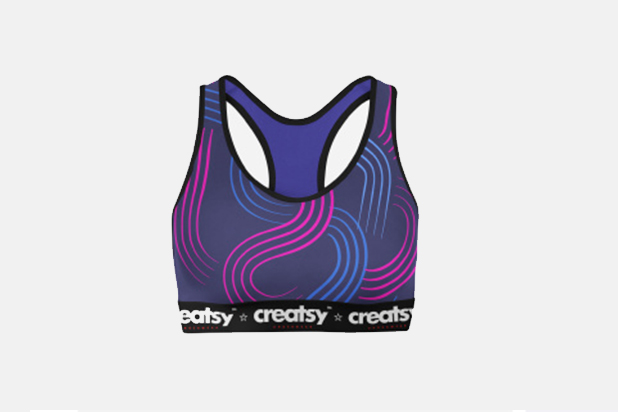
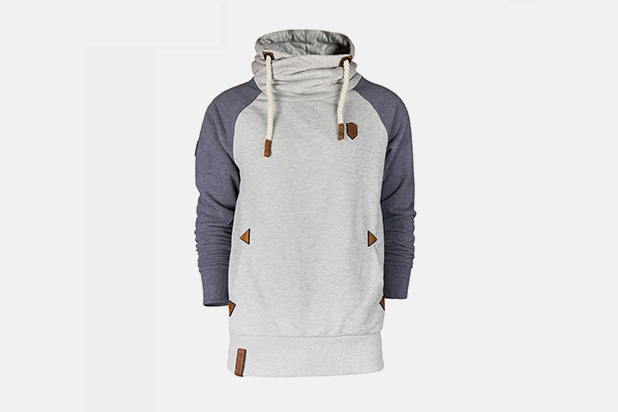
Every fitness brand faces the same recurring problem: the core range still sells, but it looks tired, and a complete redesign is too expensive and too risky to run every season. What is needed is a set of design moves that make the range feel new without changing the block, the minimum order quantity or the price band.
This guide is for fitness apparel brands, gym groups, distributors and private-label buyers planning a bulk order. It covers the design directions that create visible novelty cheaply, how to combine fabrics without creating production problems, which decoration details deliver the most perceived value, and how to move from sampling to mass production without surprises.
Quick answer: renew a fitness range through silhouette adjustments, fabric mixing, and considered decoration rather than through a new block. Change one or two elements per garment — a shoulder line, a hem, a panel, a trim — and validate the combination on a pre-production sample. The cheapest novelty is a detail the customer can see and the factory can reproduce.
If you are planning a fitness range, start from our fitness and activewear range, and see our guide to next season's activewear directions for the broader picture.
Silhouette is the most economical source of novelty because it changes how a garment looks without changing what it is.
| Move | Effect | Cost implication | Best applied to |
|---|---|---|---|
| Drop shoulder | Relaxed, contemporary, streetwear-adjacent | Low; pattern adjustment only | Tees, hoodies |
| Boxier body | Modern and youthful | Low; pattern adjustment only | Training tops |
| Longer back hem | Updated and practical | Low | Tees, sweats |
| Shorter, cropped cut | Fashion-led and studio-appropriate | Low | Fitted tops, hoodies |
| Ribbed cuffs and hem | More structured and premium | Moderate; additional trim | Sweats, joggers |
| Raised collar or funnel neck | Technical and elevated | Moderate; additional panel | Outer layers |
The practical rule is to change one silhouette element per garment, not three. A range where every piece has been redesigned in several ways reads as inconsistent rather than renewed, and it multiplies the sampling work required to validate the changes.
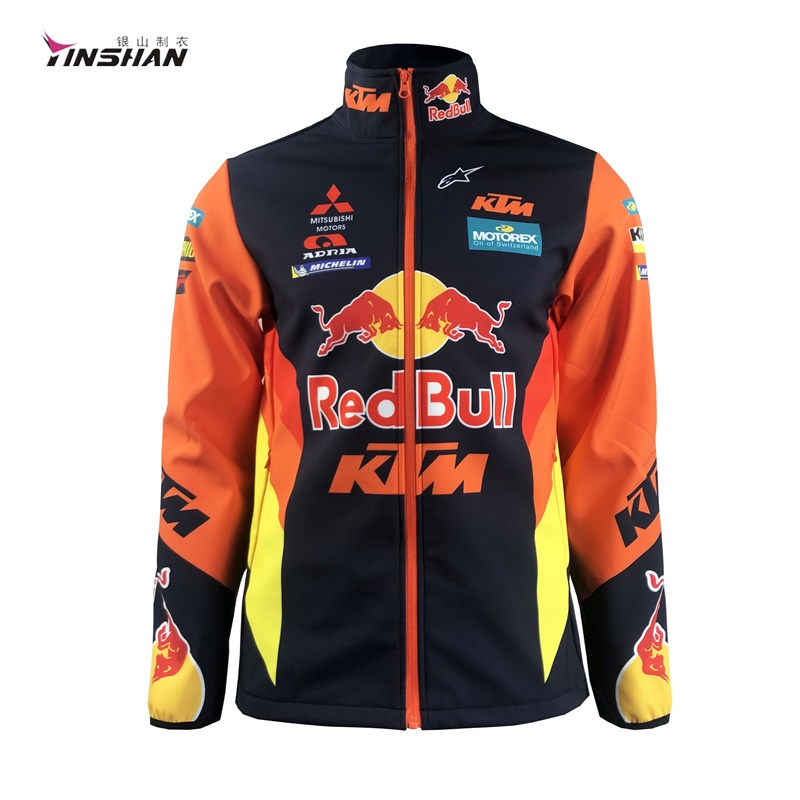
Silhouette is the cheapest way to make a fitness range feel new: a changed shoulder line or hem reads as a new season.
Combining two fabrics in one garment is an efficient way to raise perceived value, because the customer reads the contrast as a design decision rather than a cost one.
Knit body with woven panels. A ribbed knit body with woven side panels reads more technical while keeping the comfort of the knit.
Brushed and smooth faces. Using a brushed interior with a smooth exterior gives warmth and a clean appearance without adding a trim.
Matte and satin finishes. The same colour in two finishes creates tonal depth — a useful move in monochrome ranges.
Mesh inserts. Ventilation mesh at the back or underarm adds a performance signal at modest cost.
Contrast weight. A heavier hem or cuff band adds structure to an otherwise light garment.
Mixed fabrics must behave similarly in the wash. If one panel shrinks and the other does not, the garment distorts at the seam, and no amount of design intention survives that. Ask about shrinkage for each fabric, and run a wash test on the sample before bulk production. Where two fabrics cannot be matched on shrinkage, consider using a trim or a bonded detail instead of a full panel.
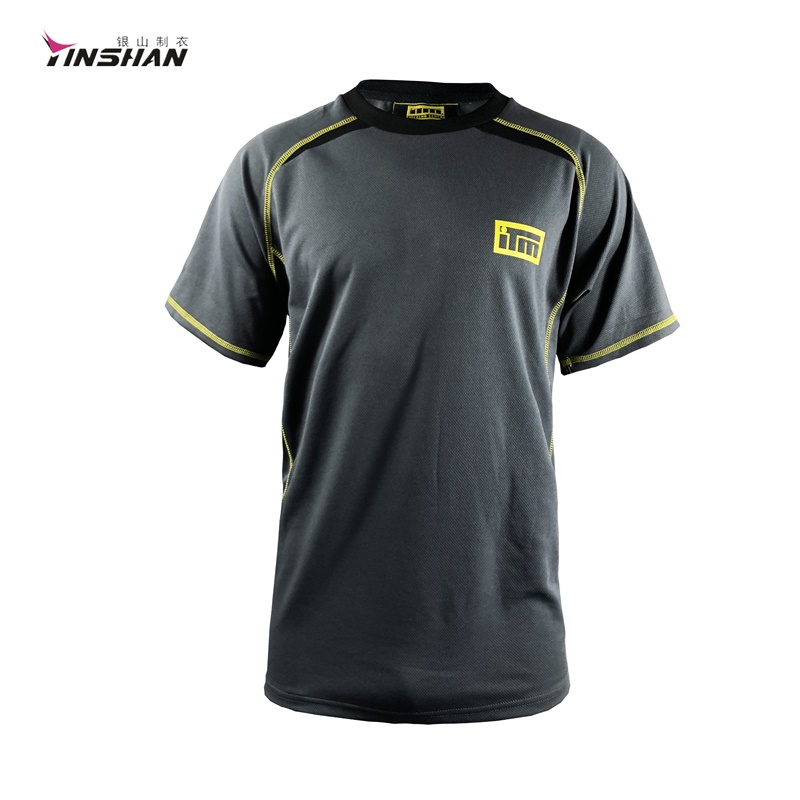
Mixing knit and woven panels adds perceived value without a complete redesign, provided the fabrics behave similarly in the wash.
Decoration is where small spend produces visible novelty. The options below are ordered roughly by value for money in a bulk fitness programme.
| Detail | Effect | Cost | Notes |
|---|---|---|---|
| Tonal chest logo | Quiet, premium, contemporary | Low | Works on almost any fitness garment |
| High-density embroidery | Raised, tactile, premium | Moderate | Suits polos, hoodies, structured pieces |
| Reflective print | Technical and functional | Moderate | Best on running and outdoor-led pieces |
| Silicone or rubber badge | Modern, durable, clean edge | Moderate | Heat-sealed rather than stitched |
| Contrast stitching | Design detail at low cost | Low | Needs a clean construction to look intentional |
| Woven label at side seam | Brand signal without print | Low | Suits studio and lifestyle ranges |

Bulk orders are won at sampling: the pre-production sample is where design, fabric and decoration are finally reconciled.
Bulk orders fail more often at the handover between sample and production than at the design stage. The sequence below prevents most of it.
Agree the specification in writing. Fabric, weight, composition, colour references, decoration dimensions and placement, and the size chart with tolerances.
Approve a pre-production sample. This is the sample the bulk order is measured against, and it should be produced with production fabrics and methods.
Wash test the sample. Fastness, shrinkage and trim behaviour appear only after laundering, and they affect the whole order if they are wrong.
Confirm the colour standard on the production fabric. A colour approved on one substrate may read differently on another.
Check the size set. Ask for the smallest and largest sizes to be produced, so grading issues surface before mass production.
Agree the inspection standard. Define what is acceptable on stitching, alignment and print position, so quality is assessed against a standard rather than an opinion.
Confirm lead time and shipping terms. Include the personalisation, packing and labelling stages in the schedule.
Changing too many design elements at once. Novelty comes from one or two considered moves, not from a full redesign.
Mixing fabrics with different shrinkage. The garment distorts at the seam after the first wash.
Skipping the wash test. The single most expensive omission in bulk production.
Approving from a digital mock-up. Colour, hand-feel and proportion cannot be judged on screen.
Leaving the size chart vague. Grading problems appear across the whole order, not just one size.
Not defining an inspection standard. Without one, quality disputes cannot be resolved objectively.
Change silhouette details, mix fabrics and refresh decoration. One or two considered moves per garment — a shoulder line, a panel, a trim or a tonal logo — deliver visible novelty while keeping the block, tooling and minimum order quantities unchanged.
It depends on the garment and the decoration method rather than on a single figure. Cut-and-sew with custom fabric carries a higher minimum than a stock garment with printed decoration. Confirm the minimum for the specific combination you are ordering.
Sampling typically involves more than one round, because the first sample confirms block and fit and later rounds refine details. Building time for at least two rounds into the schedule is prudent, particularly where new fabrics or new decoration methods are involved.
Yes, and it is an effective way to add perceived value. The critical requirement is that the fabrics behave similarly when washed. Ask about shrinkage for each fabric and wash test the sample before bulk production.
Design novelty does not require a new block. Change one or two elements per garment, mix fabrics that behave the same way in the wash, choose decoration with the best value for money, and move to bulk only after a wash-tested pre-production sample.
Send Yinshan Sportswear your garment list, fabric preferences, artwork, estimated quantity, target date and delivery country to request a custom quote.
 English
 Español
 Português
 Français
 Pусский
 Deutsch
 العربية