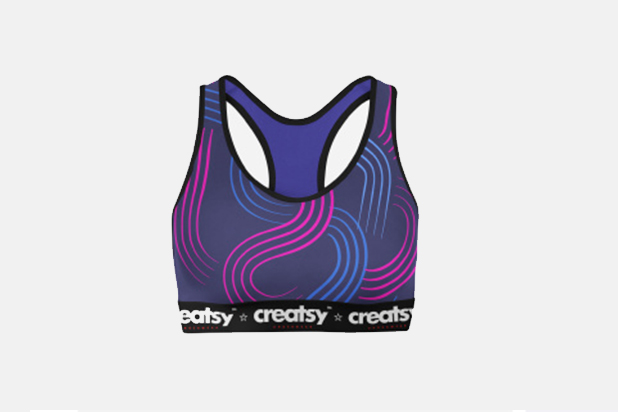
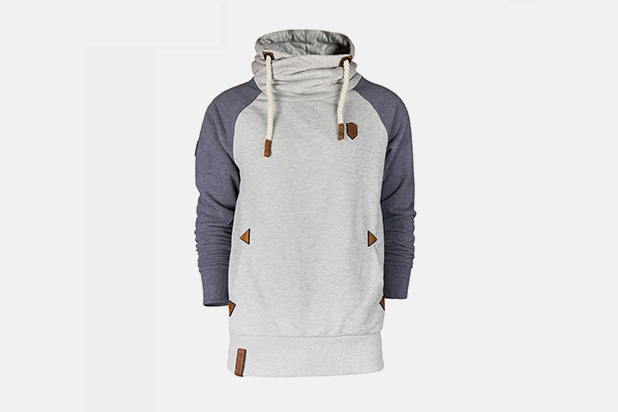
Activewear is the fastest-moving part of the sportswear market and the most crowded. Every season adds new entrants, and the brands that hold their position are rarely the ones with the loudest designs — they are the ones who read the direction early and turn it into a producible range at a price their customer will pay.
This guide is for activewear brands, private-label buyers, distributors and product developers planning next season. It covers the silhouette directions in play, how layering has changed the range structure, which fabric combinations are worth pursuing, and what private-label development actually requires.
Quick answer: next season's activewear direction is defined by relaxed silhouettes, layering pieces and mixed-fabric construction, rather than by print. Build the range around a small number of blocks and vary them through fabric, length and layering. For private label, the differentiators are the specification, the label and the packaging — not the fabric alone.
For the wider range question see our custom sportswear collection, and for the garment-level version of this topic see our guide to new fitness clothing ideas for bulk orders.
The most visible shift in activewear is a move away from tight, technical shapes toward relaxed ones, even in categories that were previously fitted.
Relaxed tops overtaking fitted ones. Loose training tops and overshirts now sit alongside the classic fitted top rather than replacing it, which expands the range rather than substituting within it.
Straight and wide legs. Joggers and pants are cut wider, which also makes sizing more forgiving and reduces fit complaints.
Drop shoulders and boxier bodies. A relaxed shoulder line is the single most common change to the base block.
Cropped and shortened lengths. Shorter lengths appear across tops and hoodies, targeting studio and lifestyle customers.
Hybrid shapes. Garments that sit between a top and a mid-layer, such as quarter-zips and overshirts, are growth pieces.

Next-season activewear moves toward relaxed layering: light outer layers worn over fitted pieces rather than one heavy garment.
Layering is no longer a styling note; it changes what products a brand needs.
| Layer | Role in the range | Typical construction | Seasonal weight |
|---|---|---|---|
| Base layer | Close-fitting performance piece | Stretch knit, flatlock seams | Light |
| Mid layer | Warmth without bulk | Fleece, brushed knit, grid fleece | Mid |
| Outer layer | Protection and style | Woven shell, softshell, padded gilet | Heavy or seasonal |
| Overshirt | Transitional piece worn open | Woven or heavy knit | Mid |
| Lifestyle layer | Worn outside training | Soft knit, relaxed cut | Light to mid |
The commercial effect is that a brand can offer a genuine three-layer system from a relatively small number of styles, which is more efficient than developing a separate heavy garment for every use case. It also gives customers a reason to buy more than one piece, which is exactly what a range plan should achieve.
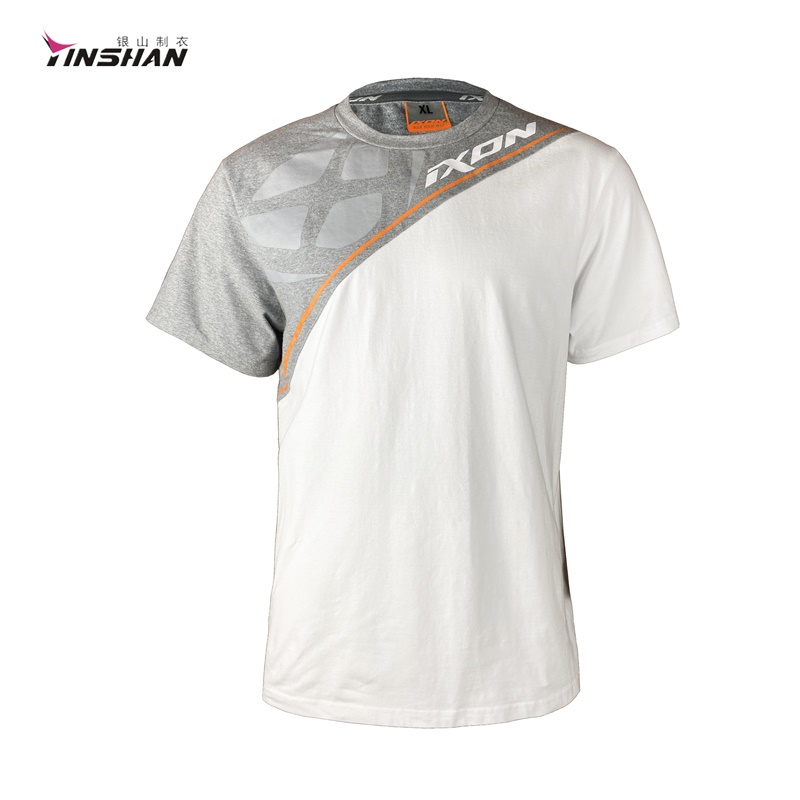
Fabric combinations let a brand offer a technical story and a comfort story in the same garment.
Mixed-fabric construction carries the direction better than print does, and it gives a brand two stories in one garment: performance and comfort.
| Combination | Story it tells | Where it works | Watch for |
|---|---|---|---|
| Performance knit with brushed interior | Technical outside, warm inside | Training tops, mid layers | Weight balance between faces |
| Knit body with woven panels | Structure plus comfort | Pants, overshirts | Different shrinkage between fabrics |
| Mesh inserts at heat zones | Ventilation and technical detail | Training and running tops | Colour match between mesh and body |
| Matte and satin of one hue | Tonal depth without a second colour | Monochrome ranges | Consistency of the base shade |
| Recycled yarn with standard yarn | Sustainability story at controlled cost | Core and mid layers | Traceability documentation |
| Soft-touch and structured fabrics | Premium hand-feel in key areas | Collar, cuff, waistband | Cost concentration in trims |
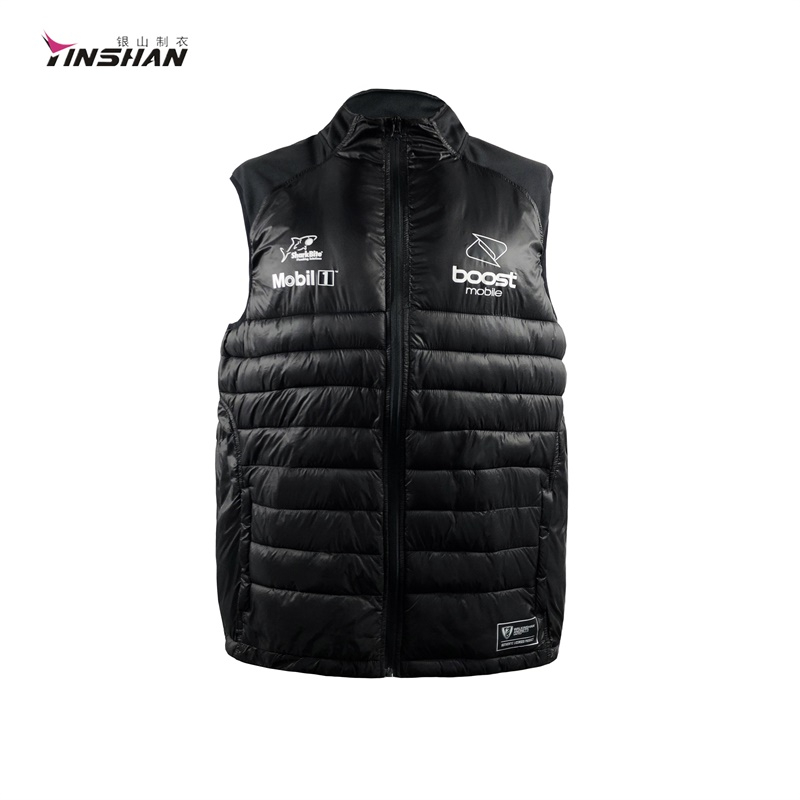
Private label programmes live or die on the specification: labels, packaging and the recorded specification carry the brand.
A style matrix is the tool that keeps a range coherent while still offering choice. Rather than developing a garment per idea, the same block is varied across a small number of dimensions.
| Block | Length options | Fabric options | Sleeve options | Styles generated |
|---|---|---|---|---|
| Relaxed training top | Regular, cropped | Performance knit, cotton blend | Short, long | 8 |
| Fitted base layer | Regular, long | Stretch knit, mesh-backed | Tank, short, long | 6 |
| Jogger | Full, cropped | Fleece, knit, woven | — | 6 |
| Mid layer | Regular, long | Grid fleece, brushed knit | Long, sleeveless | 4 |
| Outer layer | Regular, long | Softshell, woven, padded | Long, sleeveless | 6 |
Five blocks can generate around thirty styles through variation alone, which is a full range at a fraction of the development cost of thirty separate garments. The matrix also makes the range legible to a buyer or a distributor, because the relationship between the pieces is visible rather than implied.
The specification is the product. Fabric weight, composition, stretch and finish define the hand-feel the customer will judge the brand on.
The label is part of the design. A woven main label, a care label and a size label that match the brand communicate more quality than a printed logo on the chest.
Packaging carries the brand. Polybag, hangtag, tissue and carton marks are the first physical contact a buyer or end customer has with the product.
Colour consistency across the range is a brand promise. A black that varies between pieces undermines the label more than a mediocre design does.
Reorder capability is a selling point. Brands that can reproduce a style exactly, season after season, are more valuable to a distributor than brands that cannot.
Documentation supports claims. Where recycled or performance claims are made, traceability and test documentation are what make them defensible.
Following print trends instead of silhouette and fabric. Print dates fastest; silhouette and fabric carry the brand further.
Developing a garment per idea. A style matrix produces a fuller range at lower development cost.
Combining fabrics that shrink differently. Distortion at the seam destroys the design intent.
Treating private label as decoration only. Specification, labels and packaging are what the customer actually experiences.
Making claims without documentation. Recycled and performance claims need traceability behind them.
Ignoring reorder capability. A design that cannot be reproduced consistently is a one-off, not a product line.
Relaxed silhouettes, layering systems and mixed-fabric construction are the main directions, with print playing a smaller role than in previous seasons. Brands are extending existing blocks rather than developing entirely new garments.
A style matrix varies a small number of blocks across length, fabric and sleeve options to generate a full range. It reduces development cost, keeps the range coherent, and makes the assortment easier for a distributor or buyer to understand.
The specification, the label and the packaging. Fabric weight, composition and finish define how the garment feels, while labels and packaging are the first physical brand experience. Colour consistency across the range reinforces both.
Enough to cover the intended use cases without developing a garment per idea. Many brands build twenty to thirty styles from five or six blocks varied across length, fabric and sleeve options.
Next season's activewear rewards brands that plan in blocks rather than in one-off designs. Choose the silhouettes, build the layering system, combine fabrics that behave alike, and treat the specification, label and packaging as the product.
Send Yinshan Sportswear your garment list, fabric preferences, artwork, label and packaging requirements, estimated quantity and target date to request a custom quote.
 English
 Español
 Português
 Français
 Pусский
 Deutsch
 العربية