Choosing a decoration method is the decision that most affects how a custom sportswear order looks, wears and costs. It is also the decision buyers most often leave to the factory, which usually works out — but not always, and when it does not, the order is already in production.
This guide compares the decoration methods used on custom sportswear and explains what each is good at, which fabrics it suits, how it behaves at different order quantities, and how durable it is in real use. It is written for brand owners, clubs, retail buyers and distributors who need to make the call rather than accept it.
Quick answer: sublimation carries unlimited colour on polyester and never peels, but requires a suitable polyester fabric. Screen printing is the cheapest route for bold, flat shapes at volume, with cost rising per colour. Heat transfer suits small, detailed or variable artwork on many fabrics. Embroidery suits logos on polos, caps and heavier garments and signals quality. Decide the method before you choose the garment.
For how printing supports brand campaigns, see our guide to the sports T-shirt market and print marketing, and for garment-level options start from the custom sports teamwear range.
Each method puts colour onto a garment in a fundamentally different way, and that difference explains every trade-off that follows.
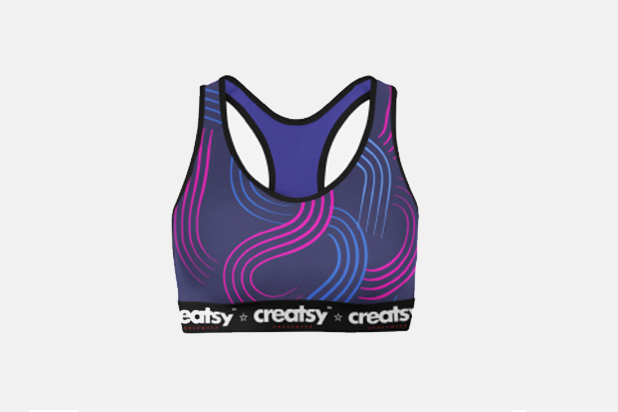
Sublimation. Dye is printed onto transfer paper and then driven into the fabric under heat. Because the colour becomes part of the fibre rather than sitting on it, the print adds no weight and cannot peel or crack. It carries unlimited colours, gradients and photographic detail. It requires a polyester-based fabric.
Screen printing. Ink is pushed through a mesh screen onto the garment, one screen per colour. It produces solid, saturated colour with excellent wash durability at low cost per unit on large runs, but each additional colour adds a screen, setup time and cost. Gradients and photographic detail are difficult.
Heat transfer. Artwork is printed onto a film which is then pressed onto the garment. This suits small, detailed or multi-colour artwork and works on a wide range of fabrics, including cotton. The hand-feel can be noticeable on large areas, and durability depends on the film quality.
Embroidery. Thread is stitched into the fabric. It is extremely durable, reads as premium, and suits logos and crests on polos, caps, jackets and heavier garments. It is not suitable for fine gradients, photographic detail or very small type.
Two further routes are worth knowing. Direct-to-garment printing suits very short runs and samples on cotton. Heat-sealed and bonded badges suit silicone logos, reflective marks and technical trims where stitching is not wanted.

Team shirts are where the print method shows most clearly: colour count, coverage and wash performance all become visible.
| Fabric | Sublimation | Screen print | Heat transfer | Embroidery |
|---|---|---|---|---|
| Polyester knit | Best fit | Possible | Good | Good |
| Polyester–elastane | Good | Possible | Good | Limited by stretch |
| Cotton jersey | Not suitable | Best fit | Best fit | Good |
| Cotton–polyester blend | Limited | Good | Good | Good |
| Fleece and sweatshirt | Not suitable | Possible | Good | Best fit |
| Woven (polos, jackets) | Not suitable | Possible | Good | Best fit |
| Nylon and coated shells | Not suitable | Unsuitable | Possible | Possible |
The practical summary: sublimation is a polyester route, screen printing is a cotton and volume route, heat transfer is a flexibility route, and embroidery is a quality route for logos on structured garments.
| Method | Low quantities | High quantities | Cost driver |
|---|---|---|---|
| Sublimation | Practical, artwork setup is the main cost | Very economical | Fabric and artwork preparation, not colour count |
| Screen print | Expensive per unit; setup dominates | Cheapest per unit for flat colour | Number of screens, i.e. the number of colours |
| Heat transfer | Very flexible, low setup | Cost falls more slowly than screen print | Film area and artwork complexity |
| Embroidery | Practical from small runs | Cost scales with stitch count | Stitch count and number of positions |

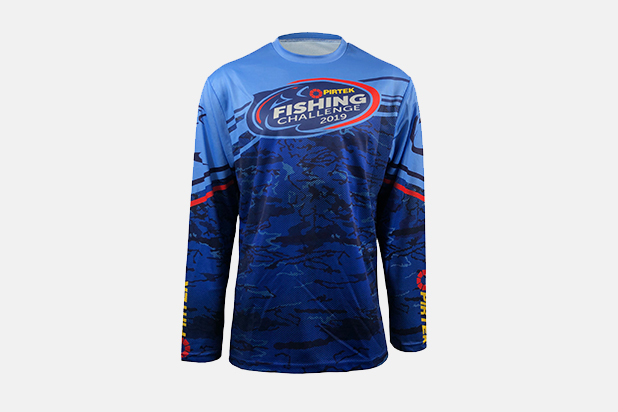
Sublimation carries unlimited colour and full coverage, but only on a suitable polyester base fabric.
Durability is where buyers are most often surprised, because it depends on the fabric and the method together, and on how the garment is laundered.
Sublimation does not peel or crack because the colour is inside the fibre. It can, however, fade gradually with aggressive washing and high heat.
Screen printing is highly durable when the ink is matched to the fabric and cured correctly. The common failure is ink applied to the wrong substrate, which leads to cracking or poor adhesion.
Heat transfer durability depends on the film. Quality films survive a garment's life; cheap films can lift at the edges, particularly on stretch fabrics.
Embroidery outlasts the garment in most cases. The risk is not durability but distortion, if the backing and stabilisation are not matched to the fabric.
| If your requirements are… | Choose |
|---|---|
| Full-colour or all-over artwork on polyester | Sublimation |
| One to three flat colours at high volume | Screen printing |
| A photograph or fine detail on cotton | Heat transfer or direct-to-garment |
| A logo on a polo, cap or jacket | Embroidery |
| Names and numbers on shirts | Heat transfer or sublimation, depending on fabric |
| A technical or reflective trim | Heat-sealed or bonded application |

Embroidery and printing are complementary: logos on polos and heavier garments are usually embroidered, lighter garments printed.
Choosing the shirt before the method. The method constrains the fabric, the artwork and the cost.
Assuming sublimation works on cotton. It requires a polyester-based fabric.
Designing six print colours for a small run. Screen setup costs dominate at low volume.
Ignoring hand-feel. Large heat-transfer areas and heavy embroidery both change how a garment feels.
Not stating how the garment will be washed. Fastness and durability depend on the laundry conditions.
Skipping the wash test. The sample is the only reliable way to confirm durability before bulk production.
Sublimation is the most durable print because the colour becomes part of the fibre and cannot peel or crack. Embroidery outlasts the garment in most applications. Screen printing is highly durable when the ink and substrate are correctly matched, and heat transfer durability depends on the film quality.
For high volumes of flat colour, screen printing is the cheapest per unit. For full-colour or all-over designs on polyester, sublimation is usually the most economical because colour count does not drive cost. For very small runs, heat transfer and direct-to-garment avoid heavy setup.
Yes, and it is common. A polo might carry embroidered logos on the chest and a printed back panel; a cycling jersey might be sublimated with a heat-sealed reflective detail. Mixed methods are fine provided each is matched to the fabric area it is applied to.
Sublimation has no practical colour limit. Screen printing needs one screen per colour, so cost and setup rise with the colour count. Heat transfer handles multi-colour detail well but is priced largely on artwork area.
The decoration method drives the fabric, the artwork and the price. Choose it first, confirm it suits your substrate, agree the artwork dimensions and colour references, and approve a physical sample — ideally after a wash test — before bulk production.
Send Yinshan Sportswear your garment list, artwork, preferred decoration method, estimated quantity, target date and delivery country to request a custom quote.
 English
 Español
 Português
 Français
 Pусский
 Deutsch
 العربية