High density embroidery is the most durable and most tactile branding method available on custom sports shirts. Instead of sitting on the surface as ink or film does, the logo is built up in thread, producing a raised, three-dimensional mark that survives years of laundering and reads as premium at close range.
This guide covers what high density embroidery is, the fabrics it suits, how to prepare artwork so it reproduces cleanly, how a sample should be approved, and the questions buyers ask most often. It is written for brand owners, clubs, uniform buyers and distributors decorating shirts, polos and jackets.
Quick answer: high density embroidery is dense stitching, often with a foam underlay, that produces a raised logo. It suits stable fabrics such as piqué, interlock and fleece, and it needs artwork with adequate line weight and clean edges. Denser work costs more and takes longer, and it requires an appropriate backing to prevent puckering. Approve the logo on a physical sample, on the actual garment fabric.
If you are decorating teamwear, start from our custom sports teamwear range, and for how embroidery compares with printing see our guide to sportswear printing methods.
Standard embroidery stitches an outline and a fill at a moderate density. High density embroidery increases the stitch count and layers the stitching so that the finished mark stands proud of the fabric surface.
Increased stitch density. More stitches per square centimetre produce fuller coverage, sharper edges and a raised profile, but also more weight and more production time.
Foam underlay. A layer of foam placed beneath the stitching is compressed as the embroidery is sewn, then expands to create an exaggerated three-dimensional effect, often called puff embroidery.
Sequencing and direction. Stitch direction is planned so that light reflects consistently across the logo, which is why the same artwork can look glossy or flat depending on how it is digitised.
Backing and stabilisation. A suitable backing prevents the fabric from distorting under the weight of dense stitching, and it is what keeps the garment flat around the logo.
Digitising, not just converting. Artwork must be digitised for embroidery rather than merely converted from a vector file. Small type, thin lines and gradients need reworking to stitch cleanly.

High density embroidery builds the logo up from the fabric surface, giving a raised, tactile finish that print cannot reproduce.
| Fabric | Suitability | Notes |
|---|---|---|
| Cotton or poly-cotton piqué | Excellent | The classic polo fabric and the ideal base for dense logos |
| Interlock knit | Excellent | Stable surface; holds definition well |
| Brushed-back fleece | Good | Common on hoodies and sweat tops; needs a suitable backing |
| Woven twill and canvas | Good | Stable and takes dense stitching well |
| Fine single jersey | Possible with care | May distort; reduced density or a lightweight backing needed |
| Lightweight performance knit | Limited | Stretch and thinness make dense stitching difficult |
| Mesh | Not suitable | Open structure cannot support dense stitching |
Dense embroidery adds weight and tension to the fabric around it. On a stable piqué or interlock the effect is minimal. On a light, elastic knit the same logo will pull the garment out of shape, creating a puckered area that no amount of digitising can fully correct. Where a dense logo is wanted on a lightweight garment, the practical answers are to reduce the density, reduce the logo size, or move the logo to a more stable part of the garment.
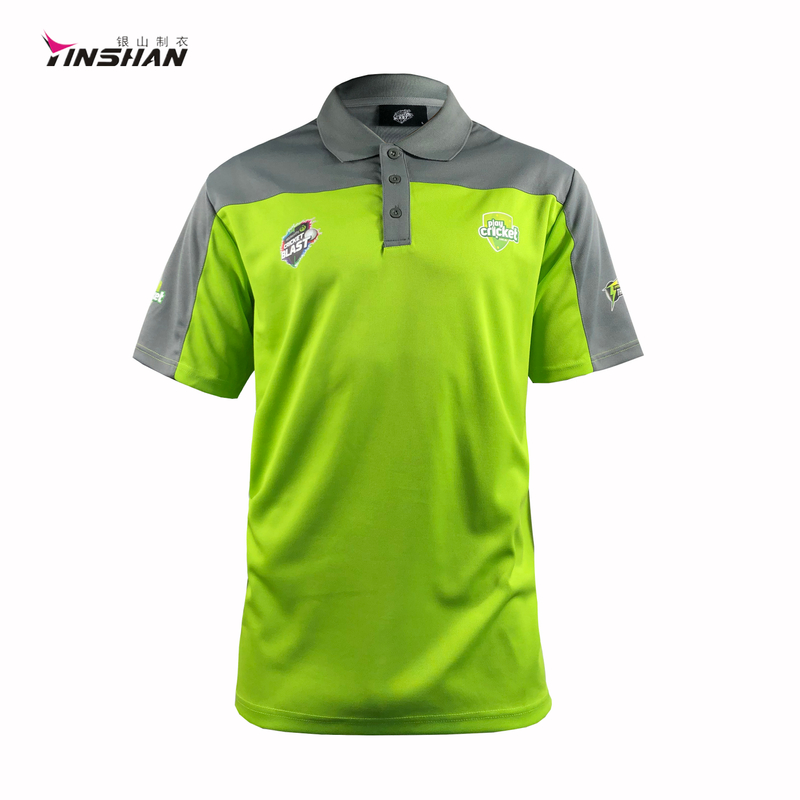
Dense stitching needs a stable fabric and the right backing, or the logo will pucker the garment around it.
Minimum line weight. Fine lines fill in and lose definition. Lines should be thick enough to reproduce as at least a few stitches wide.
Type size. Very small type becomes a solid block. If the logo depends on fine lettering, either enlarge it or accept a less dense treatment.
No gradients. Embroidery cannot reproduce a smooth gradient. Convert tonal effects into solid areas or a limited number of distinct shades.
Clear edges and simple shapes. The stronger the contrast between the logo and the garment, and the simpler the outline, the better the result.
Thread colour references. Supply colour references for every thread, since embroidery thread shades vary between suppliers.
Placed on the garment, not on paper. Approve the size and position on the actual garment, at the intended distance.
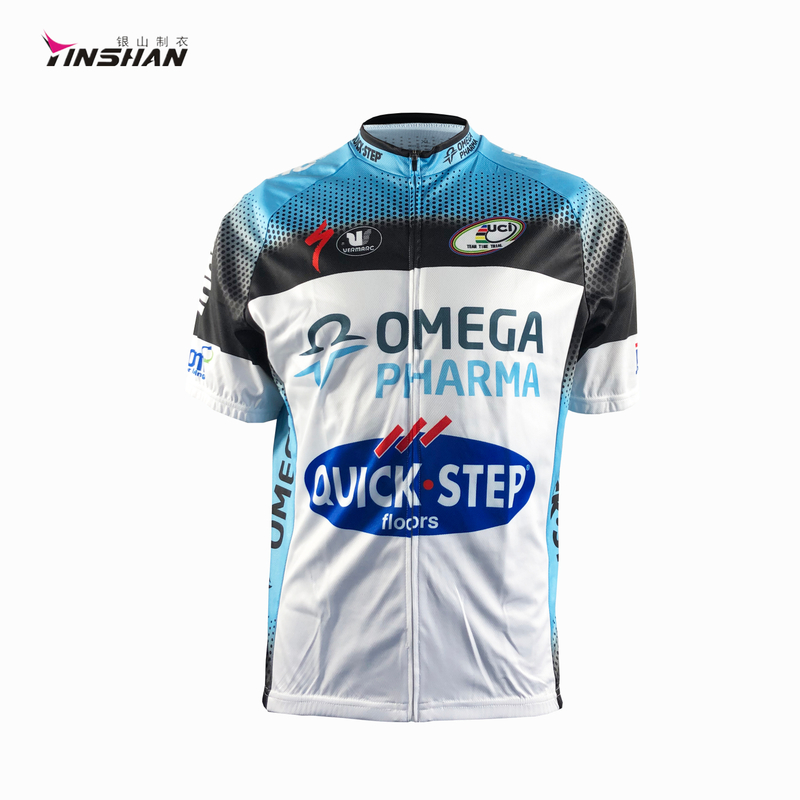
Embroidery density is a specification: more stitches mean more definition, more weight and more cost.
| Check | What to look for | Why it matters |
|---|---|---|
| Edge definition | Clean, consistent outline with no ragged edges | Defines whether the logo reads as premium |
| Density | Even coverage with no gaps or thin patches | Uneven density looks like a manufacturing fault |
| Puckering | The fabric around the logo lies flat | Puckering indicates insufficient backing or excessive density |
| Coverage of the underlay | Foam or backing not visible at the edges | Visible underlay looks unfinished |
| Colour match | Thread matches the references supplied | Thread shades vary between suppliers |
| Placement | Correct position and alignment on the garment | Placement errors cannot be corrected after production |
| After a wash test | No distortion, fraying or colour change | Dense embroidery is durable, but the surrounding fabric must also hold |
High density embroidery is often assumed to require large quantities. In practice the constraint is the number of stitch positions and the preparation work, not the garment count, which makes it viable for clubs, schools and brands ordering modest runs.
Minimum order quantity. A programme can usually start at a low unit count when a stock fabric is used and the logo is embroidered. Minimums rise where the garment itself is cut-and-sew with a custom fabric, or where several stitch positions are required per piece.
Artwork proofing. Before stitching, the logo is digitised and a proof is issued. Reviewing the proof is what prevents a logo being sewn at the wrong scale or with unreadable detail, and it costs nothing compared with re-stitching a production run.
Thread references. Supply a colour reference for each thread. Production thread shades vary between suppliers, so the reference is what keeps the logo consistent across orders.
Lead time. Digitising, proofing, sampling and stitching all sit in the schedule. Adding a second logo position or a name and number to each garment lengthens it further, so personalisation should be raised at the enquiry stage rather than after approval.
Produced to order. Sports shirts with high density embroidery are normally made to order rather than held as stock, which is what allows the shade, the fabric and the logo to be matched to the buyer's specification rather than to a catalogue.
High density embroidery uses a higher stitch count and often a foam underlay, producing a raised, fully covered logo with sharper edges. Normal embroidery uses a moderate density and a flatter finish, which is faster and cheaper but less visually striking.
It is a high density technique in which a foam layer is placed beneath the stitching. The foam is compressed during sewing and expands afterwards, creating a pronounced three-dimensional effect. It suits simple, bold logos and stable fabrics.
It works best on stable fabrics such as piqué, interlock, fleece and woven twill. On lightweight or highly elastic knits, dense stitching can distort the garment, so reduced density, a smaller logo or a different position is usually necessary.
Yes. Embroidery requires digitising rather than simply converting a vector file. Thin lines, very small type and gradients need to be simplified or reworked so they reproduce cleanly in thread.
High density embroidery delivers the most durable and most tactile branding available on sports shirts, provided the fabric and the artwork suit it. Choose a stable fabric, supply digitised artwork with thread references, and approve the logo on the actual garment, ideally after a wash test.
Send Yinshan Sportswear your garment list, logo files, embroidery requirements, estimated quantity and target date to request a custom quote.
 English
 Español
 Português
 Français
 Pусский
 Deutsch
 العربية