Waterproof, oil-proof and stain-proof are three different claims, and the words are used loosely across the trade. A garment that resists a light shower is not waterproof, a fabric with a fluorocarbon-free finish is not automatically oil-resistant, and a stain-resistant knit still stains if the spill sits on it long enough.
This page explains what each claim actually means on a fabric specification, how the finishes are applied, what they cost, and how to write a brief for workwear, outdoor clothing and team kit with protective properties.
Quick answer: Waterproof means the fabric resists water penetration under a stated test pressure; water-repellent means it sheds light rain and is the more common sportswear claim. Oil-proof and stain-proof refer to finishes that reduce the adhesion of oils and soils. All three are treatments applied to a fabric, and all three degrade with washing, abrasion and the wrong detergent. Before ordering, ask for the claim, the test method and the laundering instruction together — a claim without a care instruction is not usable in production.
| Claim | What it means on a specification | Typical use |
|---|---|---|
| Water-repellent (DWR) | Surface finish sheds rain; water beads and runs off | Outdoor and shoulder-season sportswear |
| Waterproof | Fabric and seams resist water penetration under a stated test pressure | Wet-weather outerwear, workwear |
| Wind-resistant | Reduces air permeability; not water-related | Cycling and running outer layers |
| Oil-resistant | Finish reduces adhesion and absorption of oils | Workwear, hospitality, industrial |
| Stain-resistant | Finish slows soil absorption so cleaning is easier | Light-coloured workwear and uniforms |
A claim is only meaningful with the test method attached. Two factories can both describe a jacket as waterproof and be quoting different performance levels at different pressures with different seam treatments. Ask for the figure and the standard, and treat an unquantified claim as marketing.
There are broadly two approaches. A surface finish is applied to the fabric during or after dyeing, which changes how liquid behaves on the outside of the fibre. A membrane or coated construction works differently: a laminated layer prevents water passing through the fabric itself, with seam sealing to close the stitching holes.
Durable water repellent finish — the simplest and cheapest; sheds rain, needs reproofing eventually.
Coated fabric — a polymer layer bonded to the back; more protection, less breathability.
Laminated membrane — highest protection with the best breathability, highest cost.
Seam sealing — essential for any garment claimed as waterproof; taped seams are the tell.
The practical consequence is that a waterproof claim cannot be evaluated from the fabric alone. A jacket made from a waterproof fabric with unsealed seams is not waterproof at the seams, which is where rain enters. If the claim matters to your customer, specify taped seams explicitly. Our wider technical finish coverage sits in protective fabric clothing.
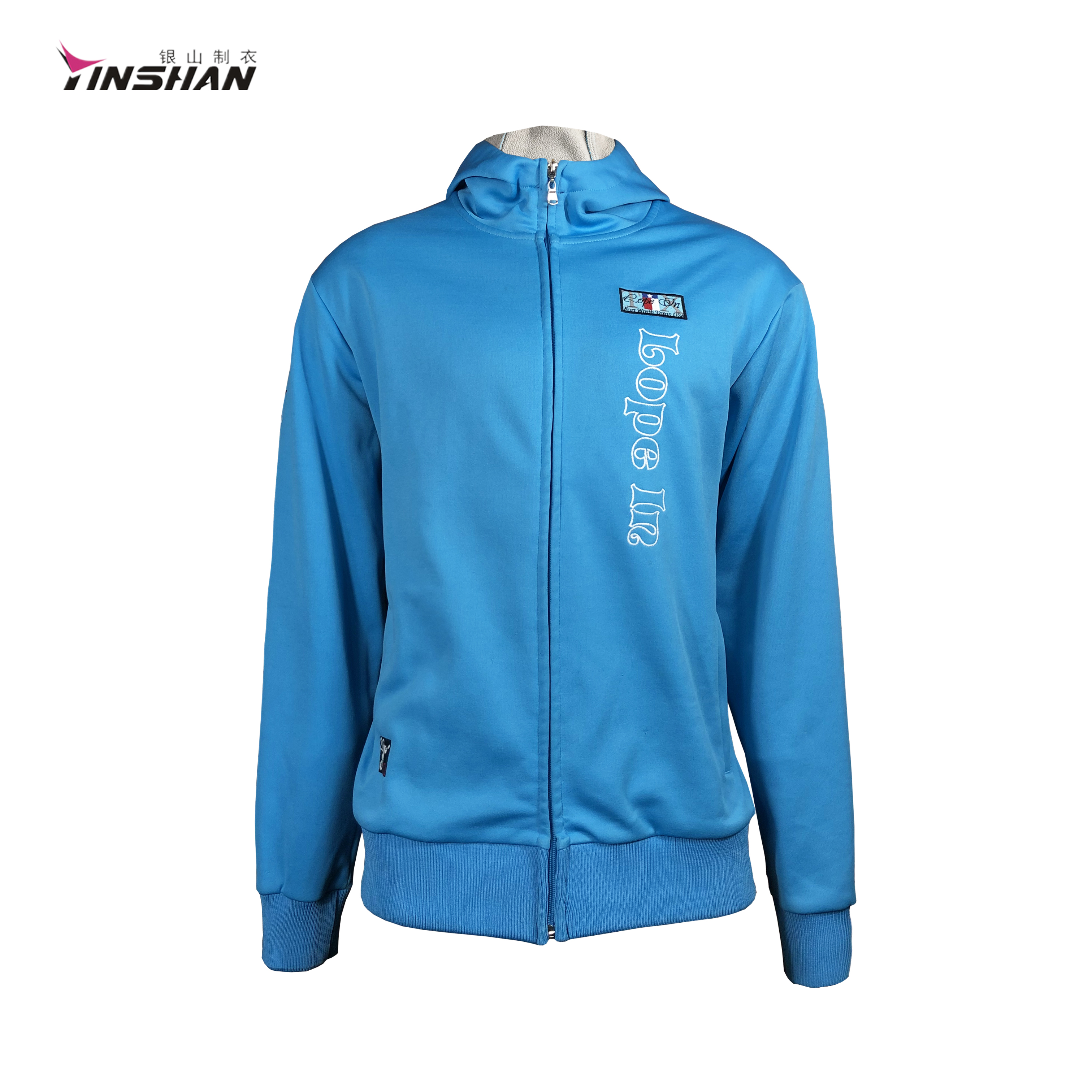
A protective outer layer is specified by finish and seam construction, not by the word waterproof on the label.
Finishes and decoration do not always coexist well. Heat-applied transfers and some print processes can affect a surface finish or a membrane, and embroidery punches through a coated fabric and creates an entry point unless it is sealed at the back. This is a specification decision, not a production detail.
Where the garment needs both protection and branding, the usual solutions are a small embroidered logo with a backing seal, or a printed logo placed in an area that does not have to perform. The decoration trade-offs are explained in embroidery in sportswear manufacturing and custom sportswear printing.
Every protective finish degrades, and how quickly depends on how the garment is washed. Fabric softener is the most common culprit: it coats the fibre and blocks the finish, which is why garments that survived their first month start wetting out in their third.
Wash at the temperature stated in the care instruction rather than the hottest cycle available.
Avoid fabric softener on any water-repellent or moisture-management garment.
Do not tumble dry above the stated temperature, and follow reactivation guidance if given.
Wash separately from garments with abrasive trims such as hooks or zips.
Reproof a water-repellent garment when water stops beading on the surface.
Passing this on to the end wearer is worth doing at the point of issue. The laundering guidance we give with orders is summarised in how to take care of sportswear.

Coatings and finishes have to survive washing, which is why the care instruction belongs in the specification.
The claim you need, stated as a measurable requirement rather than a word.
Exposure conditions: rain intensity, duration and whether the wearer is active or standing.
Seam treatment, if the garment is claimed waterproof.
Decoration positions, and how each one is sealed or avoided.
Laundering conditions the garment will actually meet, not the ideal ones.
Any certification or marking your customer's own policy requires.
If a customer imposes a performance requirement, raise it at the brief stage. Testing and documentation take longer to arrange than the garment takes to make, and a claim added at inspection time is a claim you cannot support. The testing sequence we follow is in sportswear fabric testing steps.
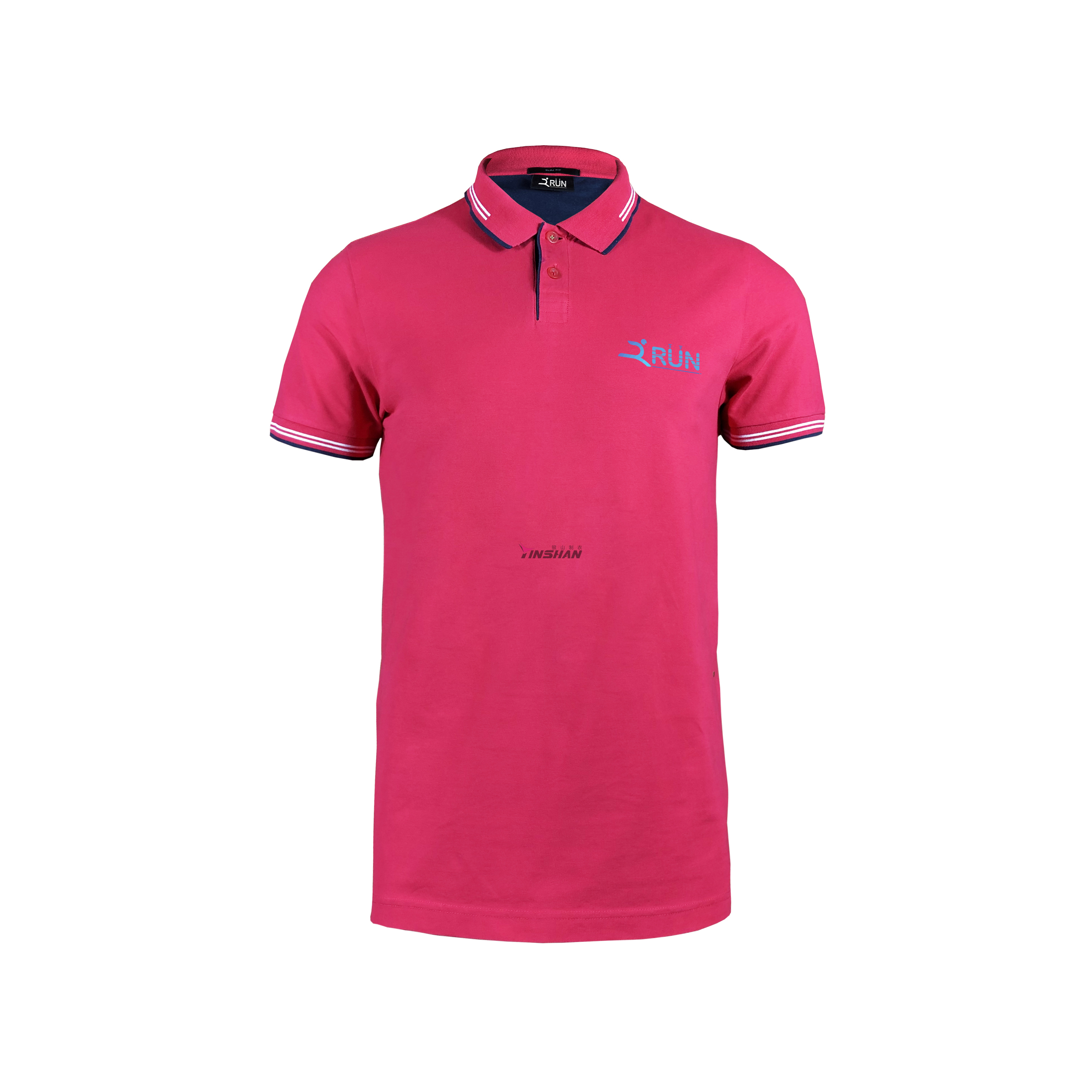
Stain-resistant workwear exists to reduce the cost of keeping garments serviceable, not to make them indestructible.
The recurring problem is treating a finish as permanent. A garment is sold to an end user on the basis of a property that fades, so the brand carries the complaint even when the garment performed as specified. State the care requirement clearly, and where a claim is critical to the customer's safety or comfort, buy the version with the test documentation rather than the cheaper version with the same words on the label.
Water-repellent means the surface finish causes water to bead and run off; it does not stop water penetration under pressure or at the seams. Waterproof means the fabric and seams resist penetration under a stated test pressure, which is a much stronger claim.
They degrade with washing, abrasion and detergent choice rather than disappearing at once. Avoid fabric softener entirely, follow the stated wash temperature, and renew a water-repellent finish when water stops beading on the surface.
Yes, but embroidery creates an entry point through the fabric, so it needs a backing seal on a coated or laminated garment. A printed or applied logo placed in a non-critical area is often the simpler solution.
Ask for the claim, the test method and the figure together, then check them against the garment's construction — a waterproof claim without taped seams does not hold at the seams. If documentation is needed, raise it at the brief stage.
Tell us the exposure the garment has to survive and the claim your customer expects, and we will specify the fabric, finish, seam treatment and care instruction in writing, with testing arranged before production rather than after.
 English
 Español
 Português
 Français
 Pусский
 Deutsch
 العربية