Yoga and studio activewear is the most fabric-led category in sportswear. There are no shorts with numbers, no shirts with sponsors and no kit to identify a team. The garment sells on how it feels against the skin, how it moves, and whether it stays opaque and in shape through a class and a wash.
This guide is for studio owners, fitness brands, retail buyers and private-label teams developing yoga and studio ranges. It covers the product list that works, the fabric parameters that decide quality, how to specify coverage and fit, and how to handle sizing and decoration in a category where heavy branding is usually the wrong answer.
Quick answer: specify yoga and studio activewear by four numbers — fabric weight, stretch percentage, recovery and opacity. Choose a soft, matte finish with good shape retention, plan coverage and rise carefully because the fit is close, and keep decoration tonal and small. Approve a physical sample after a squat-and-stretch test, not from a flat drawing.
If you are building a studio or fitness range, start from our fitness and activewear range, and see our guide to workout clothes and custom polos for the adjacent gym category.
| Piece | Fabric route | Key specification | Decoration |
|---|---|---|---|
| Leggings, high rise | Polyester–elastane knit | Opacity, squat test, waistband recovery | Tonal print, woven label |
| Leggings, mid rise | Nylon–elastane knit | Compression and matt finish | Small tonal logo |
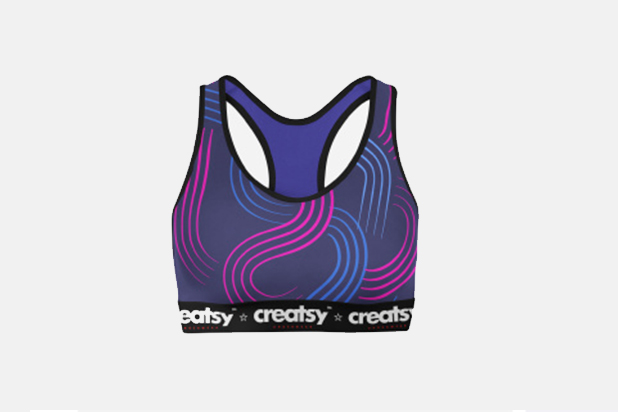
| Fitted tank or crop | Soft knit with moderate stretch | Neckline stability, underband support | Tonal print, soft label |
| Loose studio tee | Cotton–modal or light jersey | Drape and breathability | Small chest logo |
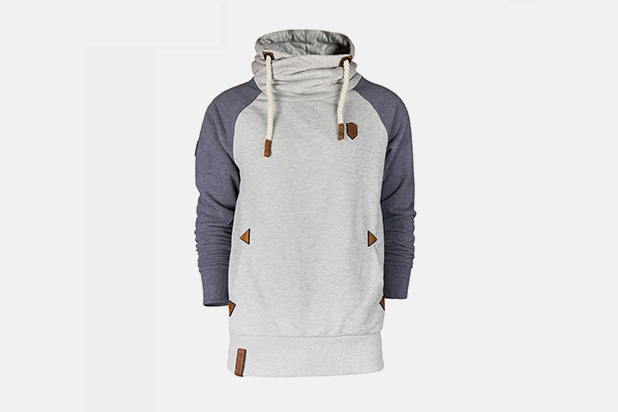
| Lightweight sweatshirt | Soft fleece or French terry | Hand-feel and shape retention | Print or embroidery |
| Shorts, fitted and loose | Knit with stretch | Inseam, liner, opacity | Tonal branding |
| Matching set | Coordinated fabrics | Shade match across pieces | Consistent placement |
Studio ranges sell as sets as often as they sell as individual pieces, which places a specific requirement on production: the shade must match across the top and the bottom. Because the two pieces may use different fabrics, the match has to be confirmed at sampling rather than assumed.
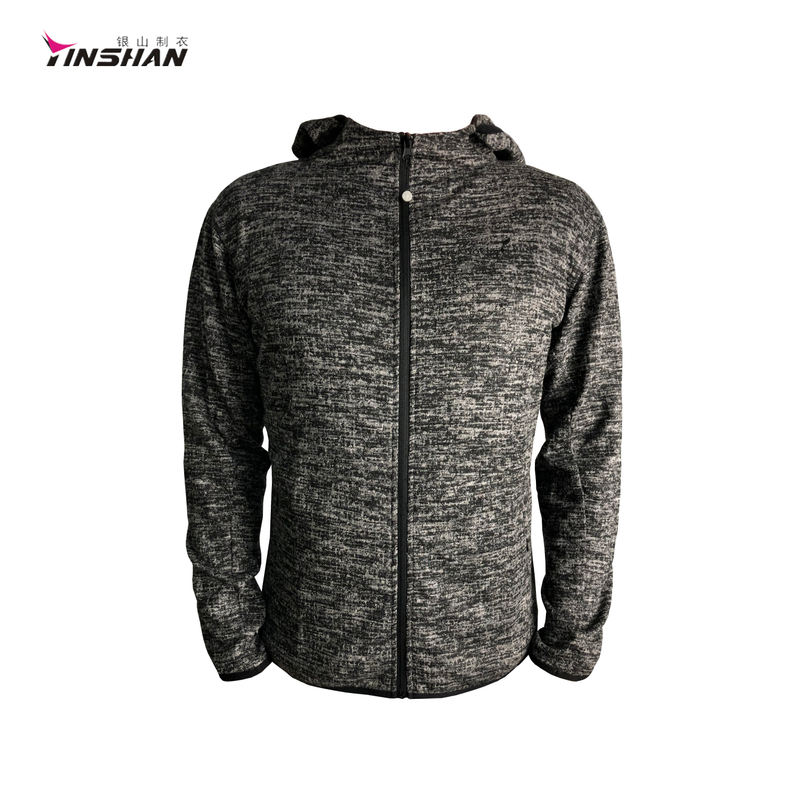
Studio activewear is bought on hand-feel and coverage, not on graphics — the fabric does most of the selling.
Buyers often choose studio fabric by description — "buttery", "second skin", "compression" — which are not specifications. The parameters below are.
| Parameter | What it controls | Typical range | Why it matters |
|---|---|---|---|
| Weight | Perceived thickness and support | 200–280 gsm for leggings | Light fabrics can be translucent |
| Stretch | How far the fabric extends | Four-way stretch preferred | Two-way stretch restricts movement and comfort |
| Recovery | Whether the fabric returns to shape | Tested after extension and wash | Poor recovery is the leading cause of sagging knees |
| Opacity | Whether the fabric shows through | Test on light colours and in stretch | Opacity failure is the leading cause of returns |
| Finish | Surface appearance | Matte preferred | A shiny finish reads as cheap and shows contours |
| Composition | Behaviour and care | Polyester or nylon with elastane | Drives pilling, drying and hand-feel |
Weight and opacity are not the same thing. A heavier fabric is usually more opaque, but a dark colour can hide thinness while a pale one cannot. If the range includes light colours, they must be tested separately rather than assumed to behave like the dark ones.

Opacity and recovery are the two specifications that decide whether a fitted studio piece survives customer scrutiny.
Because studio garments sit close to the body, small differences in coverage become the first thing a customer notices. The details below are the ones to settle on the sample.
Rise and waistband height. High, mid and low rise suit different activities and customers; the waistband must stay put through movement without pinching.
Neckline and underband. On fitted tops, the neckline has to hold its shape when bending and stretching; an unstable neckline is a common complaint.
Squat and stretch test. Any opaque legging should be tested through a squat and a forward bend in each colour before approval.
Inseam and leg length. Should be confirmed against the actual size range, including the shortest and longest customers in the programme.
Flatlock seams. Seams that sit against the skin should be flat to avoid chafing, and seam placement should avoid the areas that stretch most.
Consistency across the set. If top and bottom are sold as a set, confirm the shade matches on the finished garments.
Tonal branding and small woven labels keep studio ranges quiet, which suits how the garments are worn and photographed.
Studio sizing differs from kit sizing because the fit is close and the customer is more sensitive to variation. Two practices make a measurable difference.
Use a detailed size chart with points of measure. Letter sizes alone are insufficient for close-fitting garments. Chest and hip measurements, inseam and rise should be listed per size with tolerances.
Consider grading carefully. A pattern that fits the middle of the range may not fit the extremes; check the largest and smallest sizes on a body, not on a table.
Keep decoration tonal. A small tonal print or a woven label suits the category; a large bright logo is jarring on a garment worn for a calm activity.
Choose decorations that tolerate stretch. Heavy print or dense embroidery restricts movement and can crack on the areas that flex most, such as the hip and the upper leg.
Plan the label. Because branding is quiet, the label and the inner waistband detail carry a disproportionate share of brand perception.
Specifying opacity by feel. Test it: on the body, in stretch, in every colour in the range.
Ignoring recovery. Sagging and bagging appear after a few wears and cannot be designed away later.
Assuming a set matches. Top and bottom fabrics may be different; confirm the shade on the finished garments.
Decorating the areas that stretch most. Print and embroidery crack where the fabric flexes.
Grading by table alone. Close-fitting garments must be checked on the body at the extremes of the range.
Choosing a shiny finish. It reads as lower quality and shows contours that a matte surface softens.
A polyester–elastane or nylon–elastane knit with four-way stretch, good recovery, a matte finish and confirmed opacity in the colours you intend to sell. Weight in the 200–280 gsm range is a practical starting point for most programmes.
Specify opacity as a requirement rather than assuming weight guarantees it, and test each colour on the body in a squat and forward bend. Pale colours need separate testing because they hide nothing that a dark colour conceals.
You can, but it usually works against the category. Studio garments are worn for calm activities and photographed casually, so tonal branding, a small logo or a woven label reads better than a large graphic. Large decoration also risks cracking where the fabric stretches.
Use a detailed chart with points of measure and tolerances per size, and check the extremes of the range on a body. Close-fitting garments expose grading errors that a loose fit or a kit garment would conceal.
Studio activewear is won or lost on fabric parameters and coverage. Specify weight, stretch, recovery and opacity, plan the rise and the neckline carefully, keep decoration tonal, and approve a physical sample after a squat-and-stretch test.
Send Yinshan Sportswear your garment list, fabric preferences, size breakdown, artwork or label requirements, estimated quantity and target date to request a custom quote.
 English
 Español
 Português
 Français
 Pусский
 Deutsch
 العربية