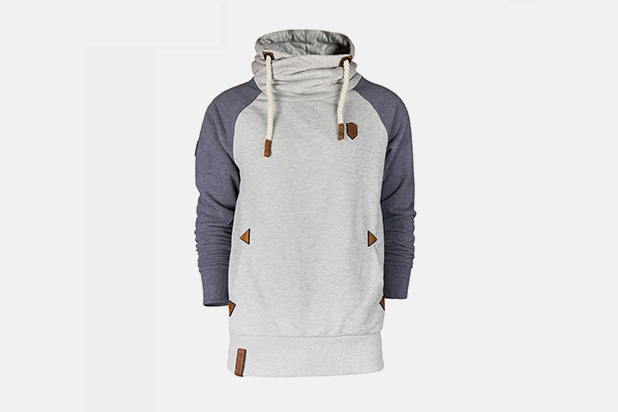
Visible seams are one of the most efficient design decisions in sportswear. Instead of hiding construction, the garment uses it: a contrast stitch along a shoulder, a flatlock seam down a leg or a coverstitched hem becomes the design element, at a cost that is a fraction of adding print or panels.
This guide is for brand owners, product developers, buyers and distributors specifying stitched detail. It covers the seam types used in sportswear, the practical difference between flatlock and overlock, what visible stitching does to cost and lead time, and which garment types suit each approach.
Quick answer: decide first whether the stitching is functional, decorative or both. Flatlock seams are used on performance knits because they lie flat and stretch; overlock seams are faster and cheaper but bulkier; coverstitch is used for hems and edges. Contrast thread turns a seam into a design feature. Visible stitching adds sewing time, so agree the placement and thread colour before sampling.
For how seams sit within the pattern, see our guide to sportswear design and pattern reference, and to see finished garments browse our custom sportswear collection.
| Seam type | How it is made | Appearance | Where it is used |
|---|---|---|---|
| Overlock | Edges joined and wrapped by interlocking threads | Raised, visible ridge on the inside | General construction on knits and wovens |
| Flatlock | Two edges butted and joined flat with a ladder or cover stitch | Flat, with a decorative line on the face | Performance knits, base layers, tights |
| Coverstitch | Multiple needles stitch a folded edge | Clean parallel lines, often on the face | Hems, cuffs, necklines, edges |
| Bound seam | Raw edges wrapped in a binding strip | Clean and structured; a visible band | Necklines, armholes, premium finishes |
| Bonded seam | Joined with adhesive tape and heat rather than thread | Very flat, no visible stitches | Lightweight technical shells, waterproof pieces |
| Topstitch | Decorative stitching on an already-joined seam | Visible line on the face | Denim-style detailing, structured garments |
The choice is driven by the fabric and the use. Flatlock exists because overlock seams on a stretch knit create a ridge that chafes against the skin, and because a butted flat seam stretches without breaking. On a structured woven garment, there is no such problem, and a conventional seam with topstitching is both cheaper and more appropriate.
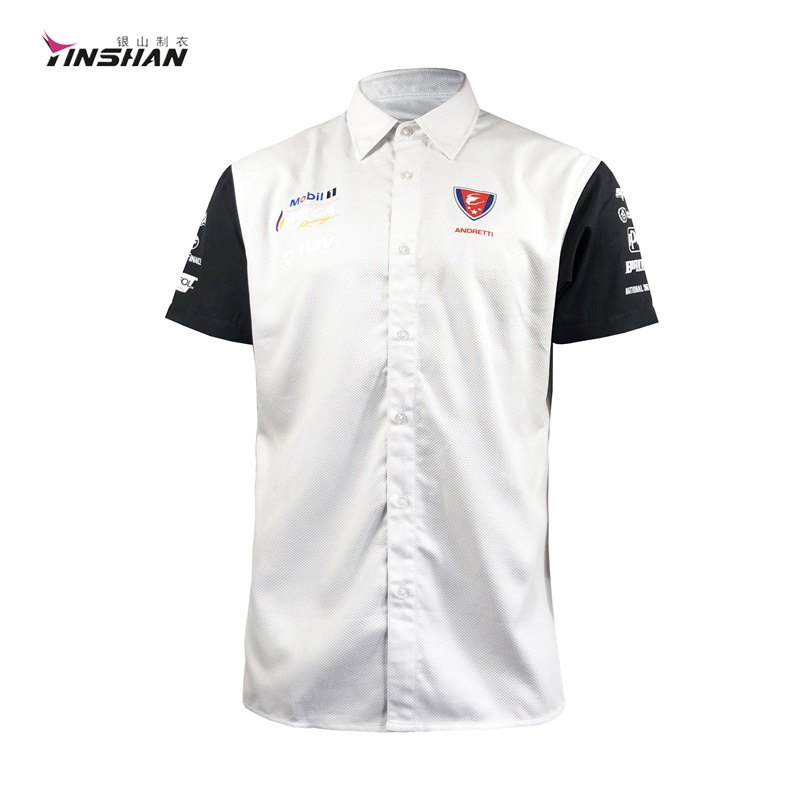
Visible stitching turns construction into decoration: the seam becomes the design line rather than something hidden.
| Factor | Flatlock | Overlock |
|---|---|---|
| Comfort against skin | Flat; minimal friction | Ridge may chafe in movement |
| Stretch behaviour | Stretches with the fabric | Can restrict stretch if run tight |
| Appearance | Decorative face line, clean inside | Functional; bulkier inside |
| Sewing time | Longer | Shorter |
| Skill required | Higher; faults are visible | Standard |
| Seam allowance | Minimal or none | Trimmed but present |
| Best on | Performance knits, tights, base layers | General construction on most fabrics |
The practical difference for a buyer is that flatlock costs more and takes longer, and it is only worth it where the seam sits against the skin or where the fabric stretches significantly. On a woven jacket or a cotton polo, flatlock adds cost without a functional benefit.
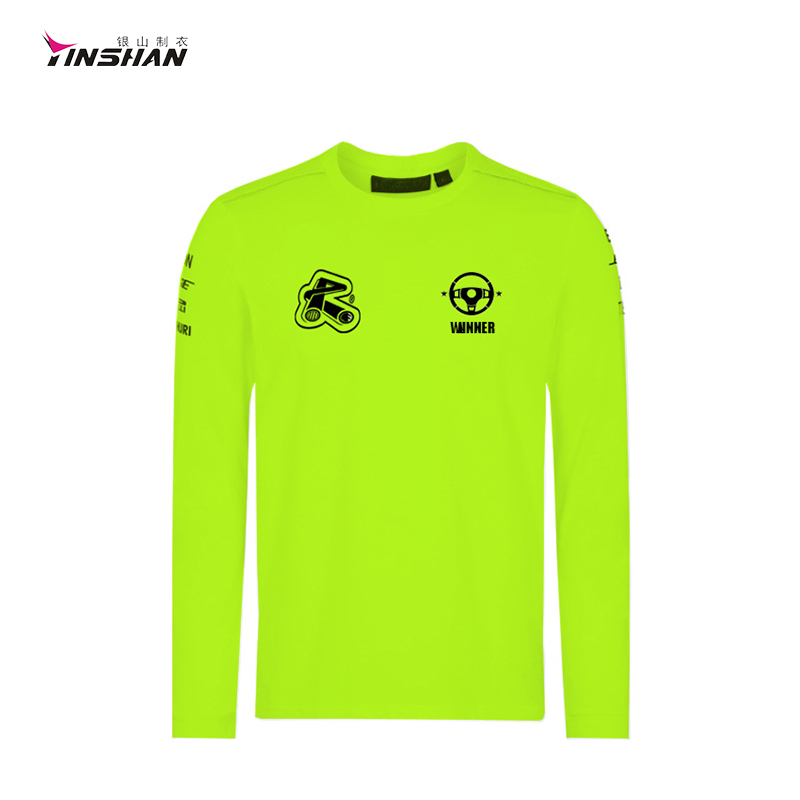
Flatlock seams lie flat against the skin and stretch with the fabric, which is why performance knits rely on them.
More sewing time. Flatlock and coverstitch take longer per seam than overlock, so labour content rises on the whole garment.
Higher skill requirement. Faults in a visible seam cannot be hidden, so operators need more experience and quality inspection is stricter.
Thread changes. Contrast thread requires a thread change per colour, which adds handling time in small batches.
Rework risk. A misplaced contrast seam is visible and usually requires re-sewing rather than being concealed.
Trims and thread requirements. Specialised thread and any accompanying tape carry their own minimum orders.
Sampling takes longer. Because the detail is visible, more than one sample round is common before the placement is right.
Visible stitching is most economical where the seam would exist anyway. A raglan shoulder line, a side seam on a legging or a sleeve join all have to be sewn regardless, so adding contrast thread or a flatlock finish costs a fraction of adding a separate design feature. Where visible stitching requires a new seam that would not otherwise be there, it is no longer a cheap option and should be compared against print or a panel.

Contrast stitching works best where the stitch line is long and continuous, so the detail reads as intentional.
| Garment | Detail that suits it | Why |
|---|---|---|
| Fitted training top | Flatlock with contrast thread | Seams sit against the skin and the fabric stretches |
| Leggings and tights | Flatlock, tonal or contrast | Comfort and stretch are the priorities |
| Team shirt | Coverstitch at hem and cuffs | Clean finish within a decorative area |
| Track pants | Topstitch along the side seam | Long continuous line reads as a design feature |
| Structured jacket | Topstitch and bound seams | Adds structure and a premium appearance |
| Polo shirt | Coverstitch, generally tonal | Tonal keeps the garment formal and clean |
| Lightweight shell | Bonded or taped seams | Weight and weather protection matter more than stitching |
Specifying flatlock on a woven garment. It adds cost without the functional benefit.
Contrast thread on short, broken seams. The detail reads as an error rather than a design.
Not agreeing the thread colour. Contrast stitching must be specified like any other colour, with a reference.
Adding a new seam purely for decoration. It becomes an expensive feature rather than an economical one.
Underestimating the skill requirement. Faults in visible stitching cannot be concealed.
Approving from a flat drawing. Stitch placement and density only read on a garment.
A flatlock seam joins two fabric edges flat, without a raised ridge, and stretches with the fabric. It is used on performance knits because it is comfortable against the skin, moves with the garment and leaves a decorative line on the face.
Yes. Contrast thread requires a thread change, additional handling and stricter quality inspection, since a misplaced visible stitch cannot be concealed. The increase is modest where the seam already exists and more significant where a new seam is added purely for the detail.
It depends on the garment. Flatlock suits performance knits where comfort and stretch matter. Overlock is faster, cheaper and perfectly adequate on wovens, structured garments and areas that do not sit against the skin.
Often yes, by changing the thread colour on a seam that is already there. That is the most economical way to add the detail. Adding an entirely new seam for decorative purposes changes the pattern and should be evaluated as a design change.
Visible stitching is one of the most economical design tools in sportswear, provided it is used where a seam already exists. Choose the seam type, decide whether the thread is tonal or contrast, agree the thread reference, and approve the placement on a physical sample.
Send Yinshan Sportswear your garment list, construction requirements, thread references, estimated quantity and target date to request a custom quote.
 English
 Español
 Português
 Français
 Pусский
 Deutsch
 العربية