Two polos can look almost identical in a photograph and behave completely differently in use. The difference is usually the knit structure: how the yarns are looped together determines whether the shirt breathes, whether it holds a shape, how it drapes and how a logo sits on it. Buyers who choose a polo by colour and price alone tend to find this out on the second order.
This page covers our custom logo design knit fabric sports polo shirts with printing and embroidery: the main knit structures used in a sports polo, how each one behaves under decoration, why sampling matters more than the specification sheet on a knit, and how small and low-minimum orders are structured.
Quick answer: A knitted fabric sports polo is a polo built from a specific knit structure — pique, mesh, jacquard or interlock — rather than from a flat woven or jersey cloth. The structure is what gives the shirt its surface, its airflow and the way it holds shape. It is decorated with a printed logo or graphic and usually an embroidered chest logo. The structure also governs decoration: a mesh knit lets print sit into the surface, a jacquard carries its pattern in the knit itself, and an interlock presents a smooth face that suits detailed embroidery. Because the differences between these structures are physical rather than visual, a sample is the only reliable way to approve a knit.
If the brief is specifically a textured club polo, the closer match is our cotton spandex pique mesh polo. For a formal or uniform polo, compare the sports polo with embroidery and printing.
| Structure | Surface | Airflow | Shape | Decorating it |
|---|---|---|---|---|
| Pique | Textured, waffle-like | Good | Structured | Embroidery on the chest reads crisply; broad print works |
| Mesh knit | Open, visibly porous | Best | Relaxed | Print sits into the surface; fine detail needs care |
| Jacquard | Patterned in the knit | Moderate | Structured | The pattern is the body of the shirt, so decoration stays minimal |
| Interlock | Smooth, denser | Moderate | Substantial | Best surface for detailed embroidery |
| Single jersey | Smooth, light | Good | Drapes | Print-led; embroidery can distort a light knit |
The practical rule is that structure sets the decoration budget. A jacquard polo already carries its design in the fabric, so a large printed graphic competes with it. An interlock polo has a plain face, so it will carry the most detailed logo of any of these.

The knit structure decides how a polo looks and breathes, and it is the first thing to settle before colour or decoration.
Warm-weather club wear. A mesh or pique knit moves air where a jersey knit does not, so the shirt stays presentable in conditions that would flatten a t-shirt.
Presentation and uniform wear. An interlock or pique polo holds a shape, so a group of people in different builds still looks consistent.
Design-led ranges. A jacquard lets the colour pattern be part of the garment rather than applied to it, which suits brands building a look rather than a uniform.
Layering. A structured knit sits properly under a jacket or a gilet without the collar collapsing.
Repeat orders. Once a structure and a colour reference are fixed, a repeat run matches, which is not the case when a shirt is bought from a changing stock range.
Both methods work on a knit, but the structure changes what each one can carry.
Embroidery. Suits interlock, pique and heavier knits. On a light single jersey a large stitch field pulls the fabric, so the logo has to be smaller or the knit has to change.
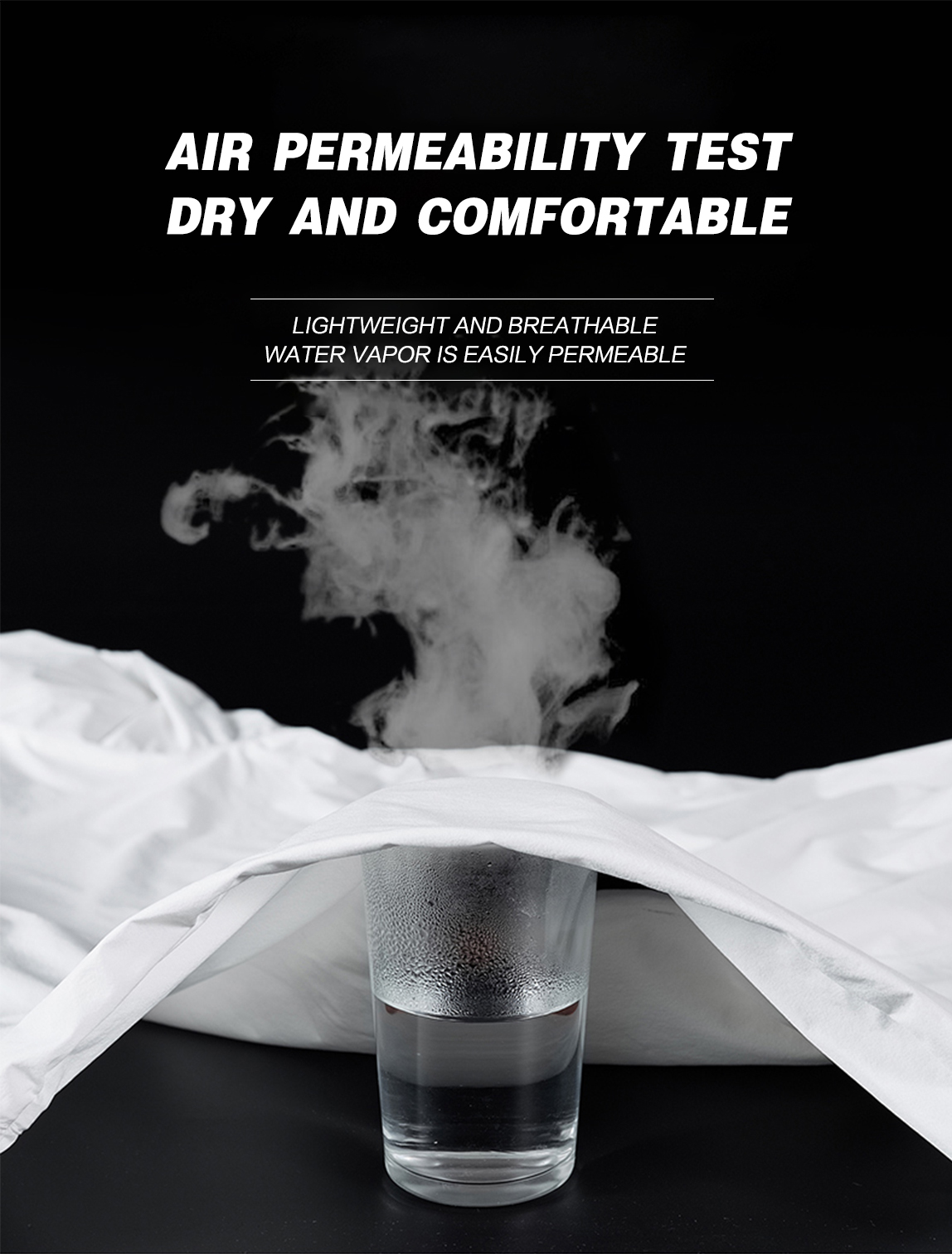
Print. Suits mesh and pique, where the surface absorbs the ink and the texture hides the edges. Very fine lines are unreliable on an open mesh because the surface is not continuous.
Combination. As with most polos, an embroidered logo on the chest and a printed graphic on the back is the standard structure.
Placement across structure. On a jacquard, place decoration on the plainest part of the pattern so the two do not compete.
Standardisation. Record the logo width in millimetres and its distance from the placket, so a repeat order lines up exactly.
A knit with a visible structure rewards a logo that respects the surface rather than one that fights it.
A specification sheet can describe a knit's weight and composition, but it cannot convey how the fabric feels or how it drapes. Two fabrics with the same composition can behave differently depending on the yarn and the knitting tension. That is why a knit polo is worth sampling even at a low order quantity: the cost of one sample is smaller than the cost of a run the client will not repeat.
Sports clubs wanting a structured polo that works for players, coaches and committee members.
Gyms and studios selling or issuing a branded polo that has to stay presentable through a working day.
Companies ordering uniform polo shirts for front-of-house, field or event staff.
Schools and universities equipping staff or societies where consistency across sizes matters.
Golf and racquet clubs where a structured knit is the expected standard of dress.
Brands and distributors testing a new design at a low minimum before committing to a seasonal order.
| Item | Why it matters | What to send |
|---|---|---|
| Quantity per size | Small runs are possible, but an even count per size is cheaper than an odd one | A table of size codes with a count against each |
| Knit structure | Drives the airflow, the shape and the decoration limits | The intended use and the conditions the shirt will be worn in |
| Colourways | Each colourway carries its own minimum | The reference, plus a physical swatch approval where colour matters |
| Collar and placket | Decides whether the polo reads as uniform or casual | The treatment required, or a reference shirt to match |
| Decoration | Print and embroidery carry separate setup and minimums | Vector artwork with printed and embroidered parts marked separately |
| Sample | The only reliable way to approve a knit's hand feel | Confirmation that a sample round is required, and the time available |
Small runs are what let a club or brand test a design before committing to a full seasonal order.
What is the difference between pique and mesh? Both are knits, but pique has a closed textured surface while mesh is visibly open. Mesh moves more air; pique holds a crisper shape.
Can we order a small quantity first? Low-minimum runs are possible, and they are the sensible way to test a design. Ask for the minimum per colourway and per decoration method separately.
Is a jacquard more expensive? It is a different construction rather than simply a better one, and the price depends on the pattern and the yarns. Compare it against a printed shirt with the same area of decoration.
Which knit takes embroidery best? Interlock and pique. Very light jerseys need a smaller or simplifed logo.
Can the polo be printed and embroidered? Yes. Keep the embroidered chest logo clear of any printed area.
How should a knit polo be washed? At a moderate temperature, inside out, without high-heat drying, and without ironing directly over decorated areas.
Send the quantity by size, the knit structure or the intended use, the colourways, the collar and placket treatment, the artwork with printed and embroidered elements marked separately, whether a sample is required, and the date the shirts must be delivered. You can send a custom requirement directly, compare this polo with our cotton polyester pique mesh polo, or browse the wider teamwear range. Request a quote.
 English
 Español
 Português
 Français
 Pусский
 Deutsch
 العربية