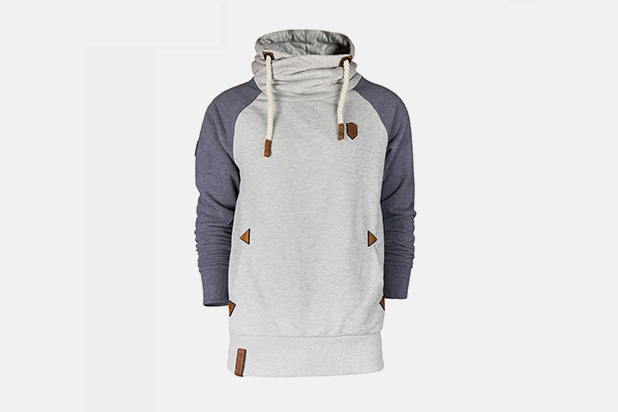
Winter training is not lost because of the cold. It is lost because the kit is wrong: one heavy garment doing a job that needs two, a warm-up layer nobody wants to wear, or a base layer that holds sweat against the skin and cools the wearer as soon as they stop.
This page sets out winter sportswear recommendations for teams — what to order for each layer, which garments earn their place, and how to specify a winter range that gets used through the whole season.
Quick answer: A team winter range needs four pieces: a base layer the individual buys, a thermal training top, a fleece or knit mid layer that carries the club identity, and an outer layer chosen by how still the wearer will be. Softshell for anyone moving, padded or insulated for anyone standing. Most clubs under-order the mid layer and over-order the outer one, which is the wrong way round: the mid layer is worn most and is the piece that carries the identity.
| Layer | Garment | Usually bought by |
|---|---|---|
| Base | Fitted thermal top and leggings | The individual, because fit is personal |
| Thermal training | Mid-weight thermal top, long sleeve | The club, issued with kit |
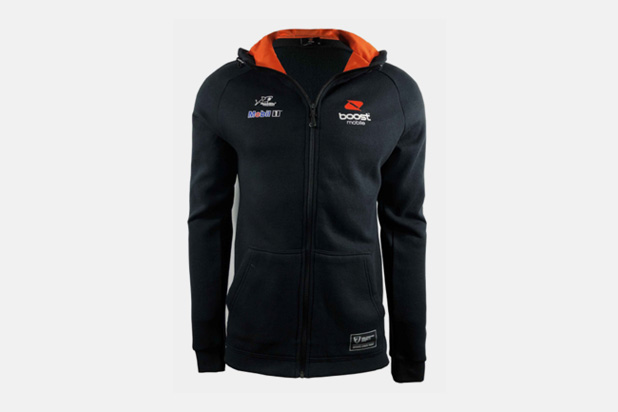
| Mid layer | Fleece hoodie or knit, club identity | The club, and the most worn piece |
| Outer layer | Softshell or padded jacket | The club, or the individual as merchandise |
The base layer is deliberately left to the individual. It is the garment with the closest fit and the strongest personal preference, and clubs that try to issue it end up with unused stock in the wrong sizes.
The mid layer is worn before training, during warm-up, during breaks and after the session. It is the garment seen most often on the touchline and in the changing room, which makes it the highest-value item in the winter range on both counts.
Fleece is the lightest and most breathable, and the least wind resistant.
A heavier knit sweatshirt is the most wearable off the field and takes decoration best.
A light padded layer is warmest per unit of weight but too warm for activity.
Hood design matters: a hood that fits over a hat is used, one that does not is ignored.
Because the mid layer carries the identity, it should be specified with the most care on decoration placement — and it should be sized to be worn over a training top, which is where most sizing errors occur. The garment types and their decoration are covered in sports vests and jackets for custom design.
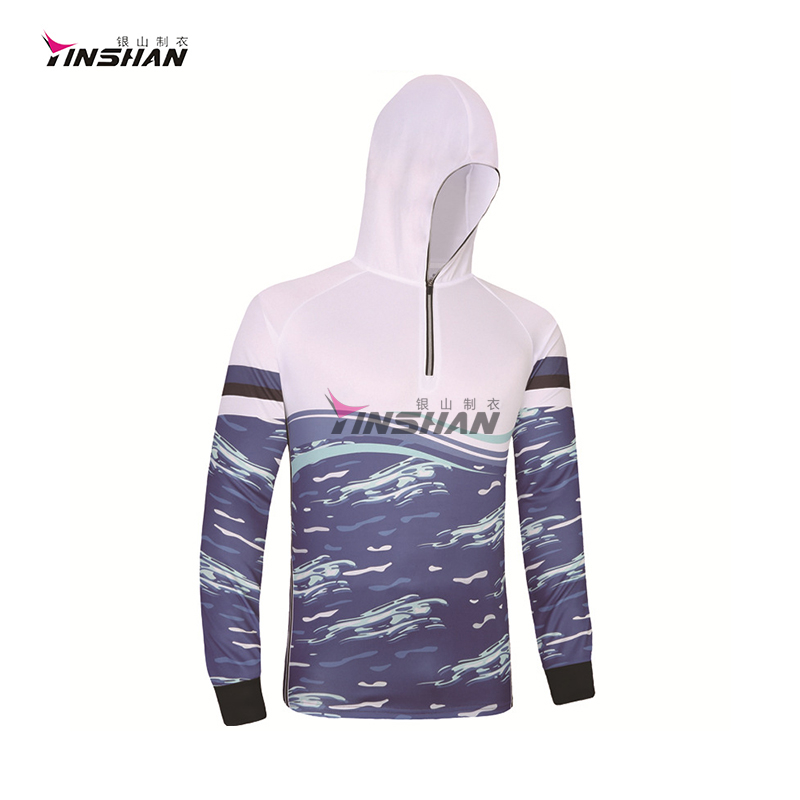
The mid layer is the piece a team wears most in winter, because it works before, during and after training.
The outer layer is where clubs most often buy the wrong thing, because the instinct is to buy the warmest garment available. Warmth and breathability trade against each other directly.
Softshell — for players and coaches who are moving; blocks wind and light rain, stays breathable.
Padded or insulated — for the bench, travel and spectating; warm, bulkier, less breathable.
Waterproof shell — for wet conditions; best protection, least breathable, best over layers rather than alone.
Water-repellent finish on a knit — for light showers and shoulder seasons at low cost.
A club that buys one moving layer and one still layer covers nearly the whole season. Two of either type leaves a gap. The finish specifications involved are covered in protective fabric clothing.
Thermal garments have a few specification points that separate a useful one from a heavy one.
Brushed or fleece-backed inner surface, which traps air and feels warm against the skin.
Four-way stretch for leggings, so they move without restricting, plus an opaque knit if worn alone.
Flatlock seams in contact areas, to avoid chafing during long sessions.
Long cuffs and a slightly longer body, which are the two details that keep warmth in.
Moisture movement in the base fabric, since a thermal garment that holds sweat chills the wearer.
Where a club orders leggings or tight-fitting thermal pieces, sampling in at least two sizes is worth the cost, because stretch garments expose grading problems more visibly than loose ones.
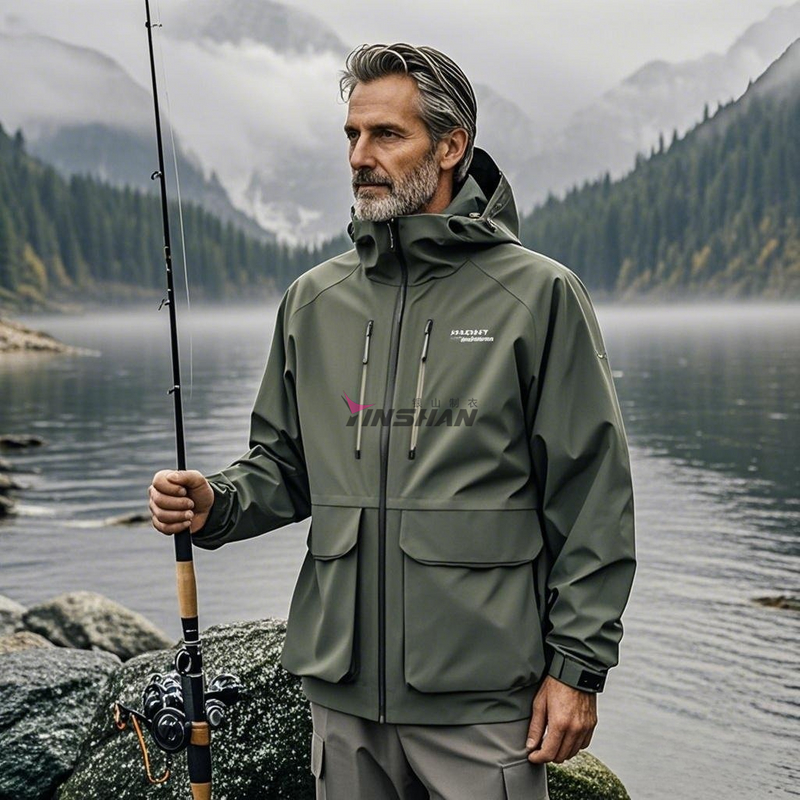
An outer layer is chosen by how still the wearer will be, which is why clubs need one moving layer and one still layer.
Plan the range as a set, so the layers complement rather than duplicate.
Order the mid layer deepest, since it is worn most and often sold on to members.
Size everything for layering, and say so on the size chart.
Collect sizes from members through a form rather than estimating.
Keep one sample of each garment for wash testing and for next season's reorder.
Record the specification, because a winter range is reordered every year.
The reorder point matters more in winter than in summer, because a season's worth of use is compressed into a few months and a mid-season replacement order is expensive. A documented specification makes a mid-season top-up straightforward. The broader layering logic is covered in custom winter sportswear for different sports.

Winter kit is a system of layers, and specifying it as a set avoids ordering three garments that all do the same job.
Three errors recur. Buying the heaviest outer layer instead of the right one for the activity. Sizing outerwear in playing sizes so it will not fit over kit. And specifying a full-front print on a mid layer, which is both expensive and the reason the garment stays in the bag. Each of the three is a decision made before the order, and each of the three is easily avoided.
Four layers: a base layer the individual buys, a thermal training top, a fleece or knit mid layer carrying the club identity, and an outer layer chosen by how still the wearer will be. The mid layer is worn most and should be ordered deepest.
Usually not. The base layer has the closest fit and the strongest personal preference, so clubs that issue it end up with unused stock in the wrong sizes. A recommendation on what to buy works better.
Softshell for anyone moving, because it stays breathable while blocking wind and light rain. Padded or insulated for anyone standing still — the bench, travel and spectating. Buying one of each covers more of the season than two of either.
Size them for what will be worn underneath. A mid layer or jacket sized in the wearer's playing size will be too tight over thermal kit, so provide a chart measured on the garment and state that it is intended to be layered.
Send the sports, the conditions you train in and how many members you are dressing, and we will propose a four-layer winter range with sizes specified for layering and one sample of each piece before the run.
 English
 Español
 Português
 Français
 Pусский
 Deutsch
 العربية