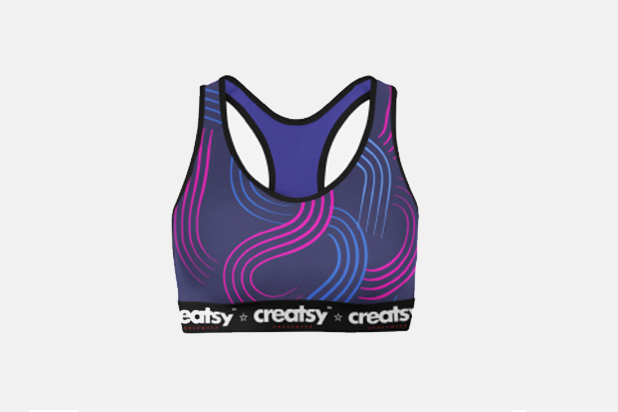
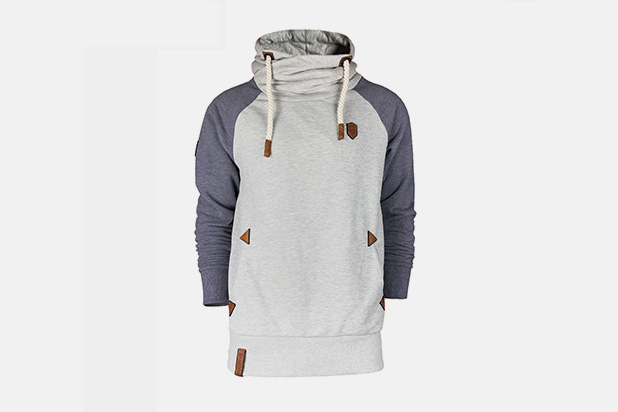
Fishing apparel in Australia has a harder job than most sportswear. The garment is worn for six or eight hours in intense sun, often over a shirt, frequently in salt water spray, and it is expected to dry quickly enough to be worn again the next morning. A jersey that handles all of that is a technical product, not a printed tee.
This page covers custom functional fishing jerseys for the Australian market: sun protection, fabric choice, tournament decoration, sizing and how to specify an order for a club, charter business or brand.
Quick answer: The four specification points that define a functional fishing jersey are UPF-rated fabric, quick-dry polyester, a cut loose enough to wear over another layer in heat, and sublimated decoration that does not crack under salt and sun exposure. The most common mistake is ordering a standard sports tee with fishing artwork on it: the fabric is too heavy and the print fails early. Specify the rating and the construction, and the artwork becomes the easy part.
A generic performance tee is a reasonable garment for a short match. A fishing jersey is worn for far longer, in stronger light, with more exposure to salt and skin oils, and it is often layered over another shirt. Each of those differences changes a specification decision.
Duration — hours of exposure means sun protection is a fabric property, not a comfort preference.
Layering — the cut needs to clear a collared shirt without binding across the shoulders.
Salt and sun — decoration must survive exposure that a match-day print never sees.
Fast turnaround between sessions — quick drying matters more than warmth or structure.
Sun protection in fabric comes from three interacting factors: fibre type, fabric construction and colour, plus any additional treatment. A tighter, denser knit blocks more UV than an open one, and darker colours generally absorb more than light ones — although a light colour is cooler to wear.
| Factor | Effect on protection | Practical implication |
|---|---|---|
| Fabric density | Denser constructions block more UV | A light open mesh is not a sun-protection fabric |
| Colour | Darker colours generally absorb more UV | Trade-off against heat absorption |
| Stretch | A stretched knit opens and passes more UV | Fit matters: a garment worn tight protects less |
| Finish | Some fabrics carry a UV-blocking treatment | Ask for the rating and the test method together |
Where a garment is sold on a sun-protection claim, ask for the rating and the test method together. A rating without a method is a marketing number, and where the claim is central to the product it should be confirmed in writing before the order is cut.
Polyester is the default for a functional fishing jersey because it dries quickly, holds shape and takes sublimated colour. Weight should sit at the lighter end of the range for hot conditions, with enough substance to block UV and to remain opaque when wet.
Light polyester knit, quick-drying and opaque when wet.
Mesh ventilation panels where the garment is worn over another layer.
Sublimated decoration, which carries full-colour artwork without a surface layer to crack.
Loose cut through the shoulder and armhole, with a slightly longer body for seated wear.
Those choices are the same families described in selecting sportswear fabrics, applied to a garment with a longer wear cycle and a harsher environment than most team kit.

A fishing jersey is a long-wear garment in strong sun, which makes UPF and colourfastness the specification's real subject.
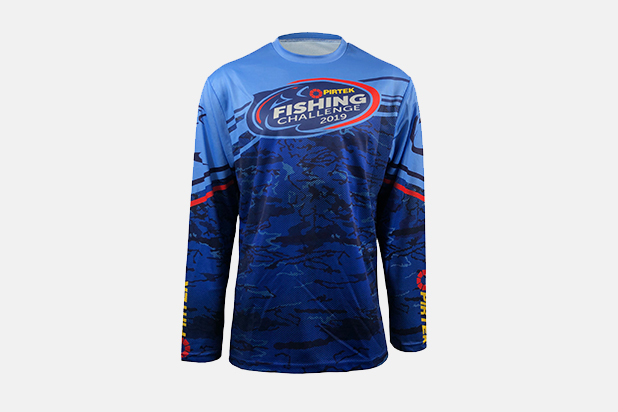
Fishing jerseys are unusual in that decoration is often the reason the garment exists. Tournament kit carries guide names, sponsor marks and event logos, and the jersey is a mobile billboard on the water.
Sublimation for full-colour artwork across the body — colour count does not add printing cost.
Contrast panels to separate sponsor areas from the base design.
Legible type sizes, since the artwork is designed to be read at a distance on the water.
Light backgrounds handled carefully, because thin type on a light ground disappears in sunlight.
Because sublimated panels are printed before cutting, the artwork has to be finalised before production and approved on the fabric rather than on screen. The process and its constraints are set out in custom sublimated polo shirts, which uses the same production route.
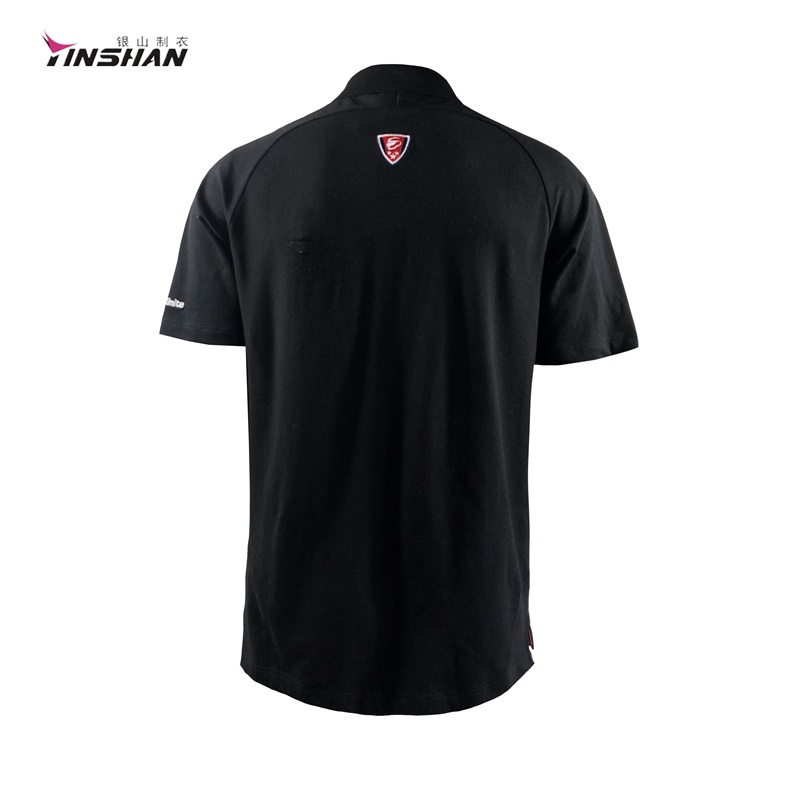
Tournament kit carries sponsor and guide artwork, so decoration has to work at a distance and on a light background.
Fishing apparel is worn over other clothing in hot conditions, so the size people take is usually one larger than their everyday shirt. Ordering on everyday sizes produces a garment that binds across the shoulders when the wearer casts.
Offer a size chart in centimetres and note that it is intended to be worn over a layer.
Order the middle sizes deep, since club and charter orders concentrate there.
Include staff and guide garments in the count, not only members.
Keep spare pieces in the two most common sizes for replacements mid-season.
For charter businesses and clubs selling jerseys to customers, an order form works better than an internal estimate. The pattern is the same as any club merchandise order, covered in ordering merchandise clothing.
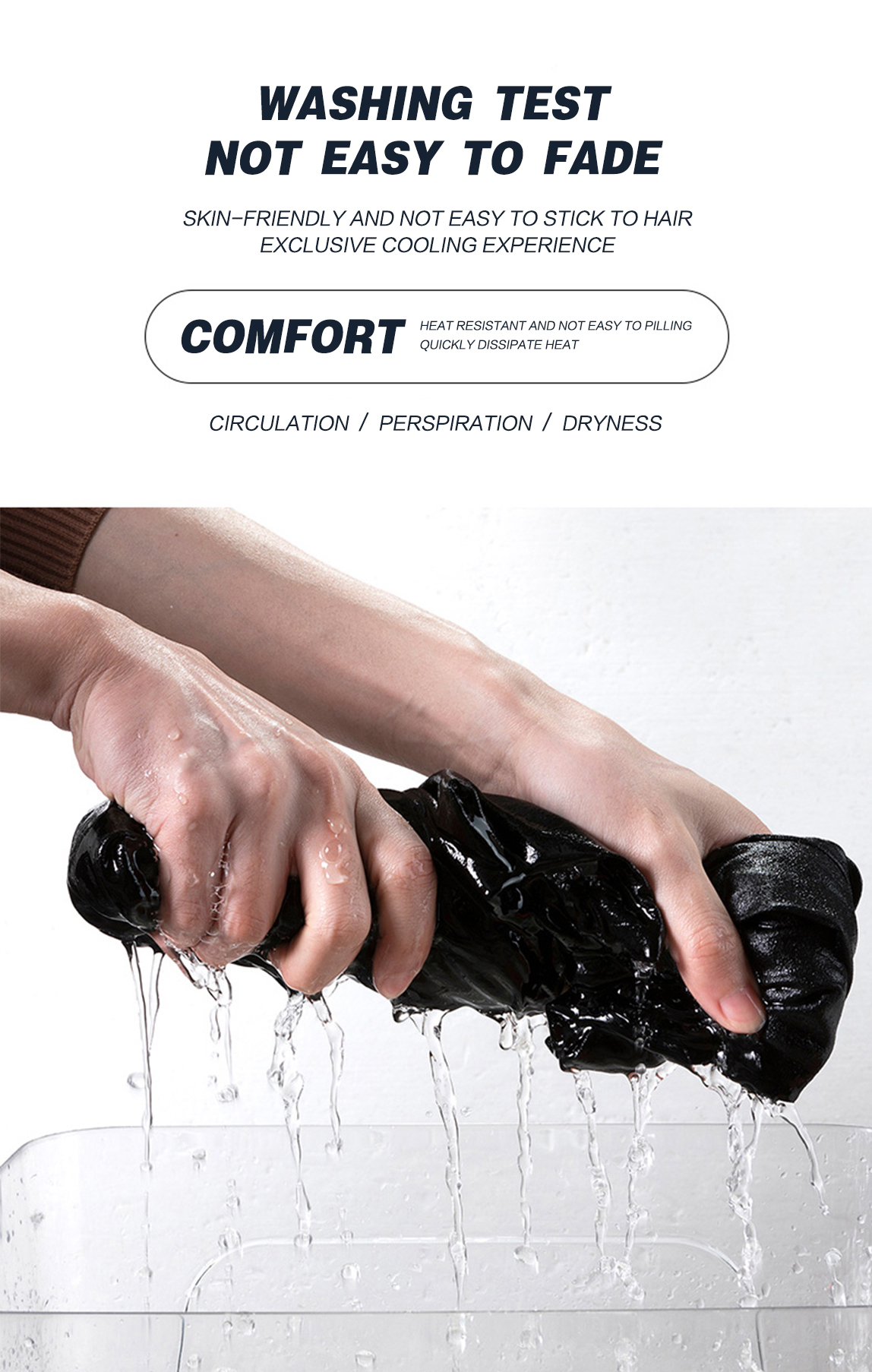
Charter and club kit is washed often and worn for hours, so the collar and the fabric weight decide how it lasts.
Sun protection rating and the test method, confirmed in writing.
Fabric construction, weight and colour, with opacity checked when wet.
Cut and fit, including the layer it will be worn over.
Decoration method, with artwork prepared as a full panel if sublimated.
Care instruction, since a functional finish has to be laundered correctly to survive.
The care instruction is not a formality on this garment. A protective finish that is washed in hot water with softener will stop performing within a season, and the customer will attribute that to the product rather than to the laundry. We supply the laundering guidance with the order, and the general principles are in protective fabric clothing.
A light quick-drying polyester with sufficient density to block UV and stay opaque when wet, often with mesh ventilation panels. It should be cut loose enough to wear over another layer, and decorated by sublimation so the artwork withstands sun and salt exposure.
It depends mainly on fabric density and colour, with some fabrics carrying an additional treatment. A stretched knit passes more UV, which is why fit matters as much as the fabric rating. Ask for the rating and the test method together.
Yes, and they usually do. Sublimation carries full-colour artwork across the body without an additional cost per colour, which suits tournament and guide kit with multiple sponsor marks. Artwork must be finalised before printing.
Usually one size above the wearer's everyday shirt, because the garment is worn over another layer in hot conditions. Provide a size chart in centimetres and state that it is intended to be worn over a layer.
Send the event or club artwork, the sizes and the conditions the jersey has to survive, and we will specify the fabric and the sun-protection rating in writing, with a sample approved before the tournament run.
 English
 Español
 Português
 Français
 Pусский
 Deutsch
 العربية