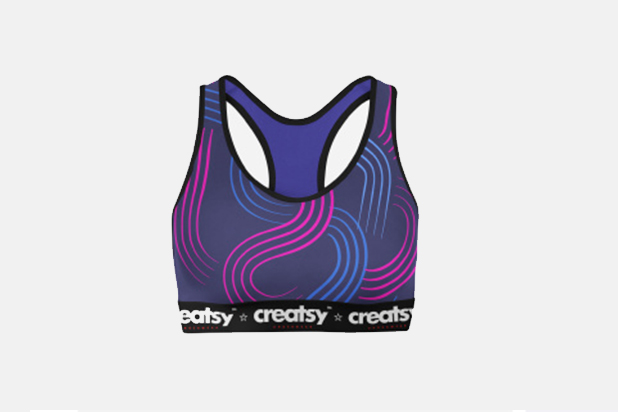
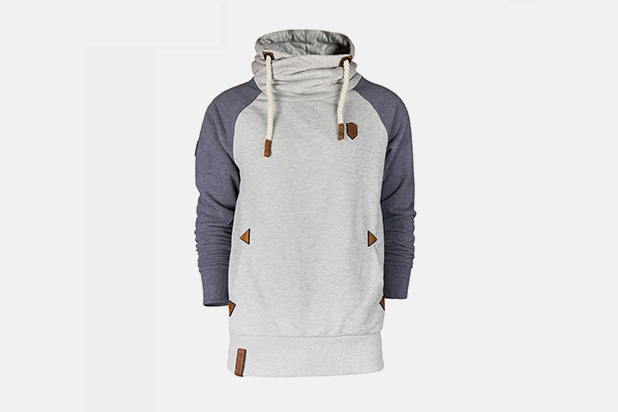
A custom sportswear order passes through nine stages from pattern to packed carton, and each stage has one output that unlocks the next. Understanding the sequence is useful even for buyers who will never visit the factory, because it explains why certain changes are free and others are expensive.
This page walks through the production process as it actually runs: pattern making, marker and cutting, sewing, decoration, finishing, inspection and packing — with what a buyer should supply before each stage.
Quick answer: The process runs pattern and grading, marker and cutting, sewing, decoration, finishing, inspection and packing. The two stages that decide the quality of the finished garment are pattern grading and cutting, and both happen before anyone sees a decorated piece. That is why measurement problems cannot be corrected at inspection, and why the approved sample and the size chart have to be right before production starts.
The pattern is the shape the garment is cut to, and grading is the process of scaling that shape across the size range. Both are technical work that takes place before any fabric is touched.
Base pattern drawn to the agreed fit and construction.
Graded across the size curve, which is where a size chart becomes real measurements.
Marker planned to lay the pattern pieces on the fabric efficiently.
Fabric consumption calculated from the marker, which is what the quotation is based on.
Buyer input at this stage is the size chart and the fit requirement. A size chart supplied late, or changed after grading, forces a re-grade and can invalidate the fabric consumption figure in the quotation.
Incoming fabric is inspected for defects and shade variation before cutting. Shade variation matters most where one order is cut from more than one roll, which is why a large order is normally cut in one pass from a single dye lot.
Fabric inspected for weaving faults, holes and shade variation.
Rolls laid in sequence so panels that meet on the body come from the same shade.
Marker placed to the approved size breakdown, not to an assumed one.
Cut panels bundled and labelled by size and style before moving to the line.
This is the stage where a size-breakdown change becomes expensive: the marker has to be re-laid and the fabric already cut cannot be un-cut. A change requested here costs fabric, not just time.
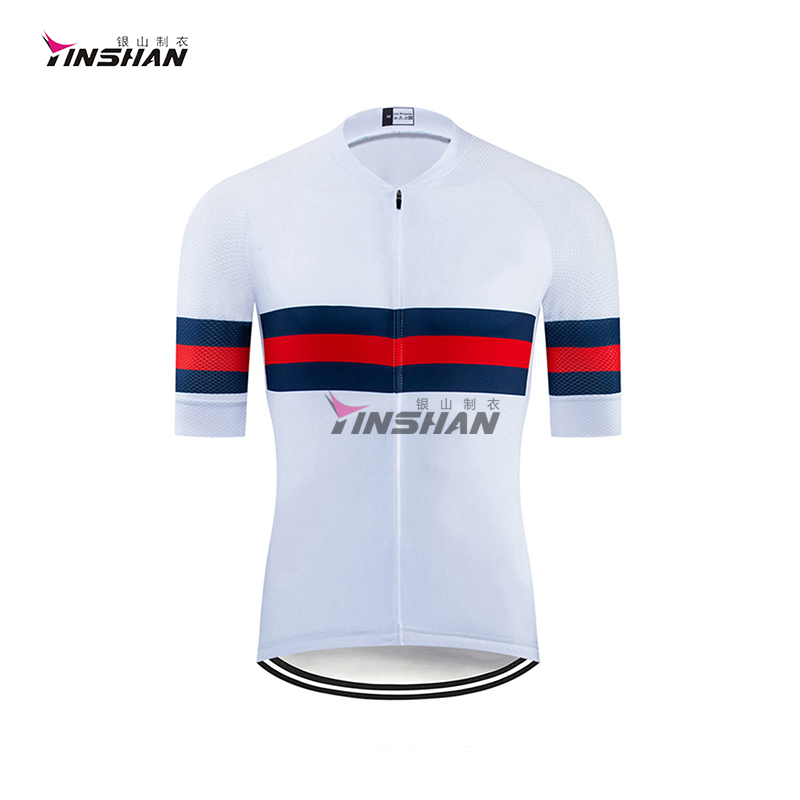
Most of a garment's quality is fixed in the first two stages, which is why a late inspection cannot rescue a bad cut.
The sewing line assembles the garment in a sequence of operations, each with its own check. Collars and plackets are the operations most likely to show a quality problem, because they are the areas a wearer notices first.
Seam construction specified for the fabric — a light knit needs different treatment from a fleece.
In-line checks at the stations where a defect is hardest to fix later.
Thread colour and type matched to the approved sample.
Zips, elastics and trims fitted to the specified hardware, not to what is closest to hand.
Decoration is scheduled around the sewing line rather than after it. Embroidery and print are usually applied to flat panels before final assembly, while sublimation happens before cutting entirely, since the fabric is printed as a panel and then cut to the design.
Sublimation — printed panels, then cut, then sewn.
Screen print or transfer — usually applied to cut pieces or finished garments depending on the design.
Embroidery — applied to panels or finished garments, with backing chosen for the fabric.
Programmed files named per order, with a test piece kept for reference.
This ordering is why the decoration method has to be chosen with the fabric rather than after it. The comparison between methods is in embroidery in sportswear manufacturing and custom sportswear printing.
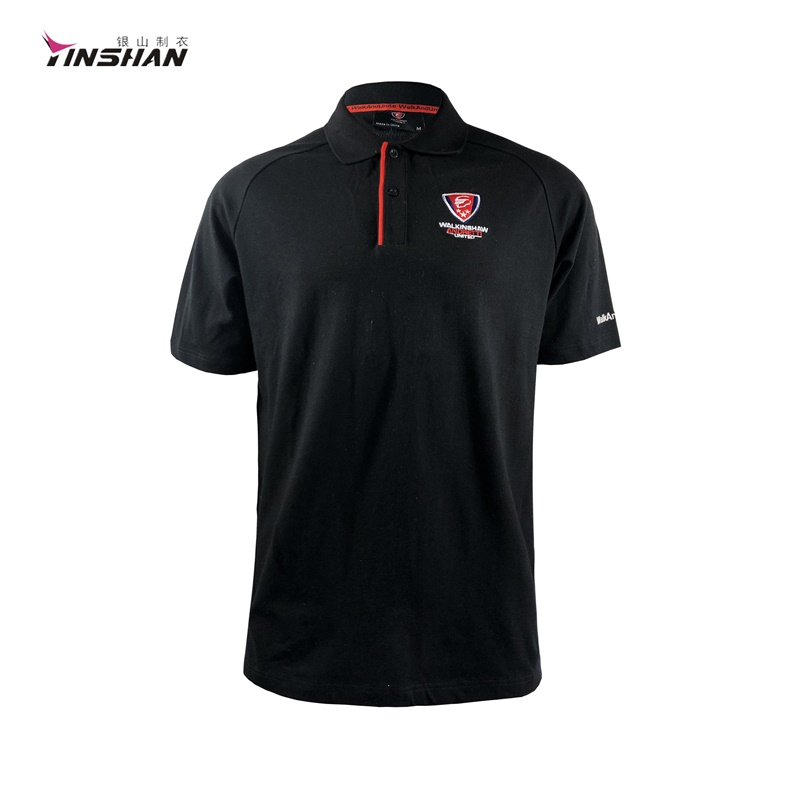
Decoration is scheduled around the sewing line, so a change to artwork after cutting disrupts more than the print room.
Finishing covers everything between the assembled garment and the packed item: trimming threads, pressing, attaching labels and hang tags, and folding. It is where the garment acquires its retail or hand-out appearance.
Thread trimming and seam inspection.
Pressing at the temperature the fabric tolerates, which is a specification point on technical fabrics.
Brand, care and size labels attached as agreed.
Folding, bagging and any individual personalisation applied.
Final inspection compares the finished goods against the approved sample. The approved sample has to physically be at the inspection table for this to mean anything, which is the practical reason a documented sample matters so much.
Measurement check on sample pieces from the run against the size chart.
Decoration placement and quality checked on the first and last pieces of the order.
Packing to the agreed specification: per person, per size, bagged or flat.
Cartons labelled, weighed and recorded against the packing list.
Where an independent inspection is required, it is arranged at this point and works from the same approved sample. The sequence we follow for fabric and print testing is described in fabric testing steps.
Final inspection compares the finished garment against the approved sample, not against a verbal description.
Stage | Buyer should have supplied | Cost of changing it later |
|---|---|---|
Pattern and grading | Size chart and fit requirement | Re-grade and re-quote |
Fabric and cutting | Fabric specification, size breakdown | Fabric already cut — full cost |
Sewing | Approved sample and trim list | Unpicking and re-working |
Decoration | Final artwork and placement | Re-print or re-embroider, sometimes re-make |
Finishing | Label and tag artwork | Labels removed and re-applied |
Inspection and packing | Packing specification | Re-pack, delay to the schedule |
Read as a column, those change costs explain the whole discipline of the process: every decision is cheap before cutting and expensive after it. That is the reason a buyer's time is best spent on the brief and the sample rather than on supervising the later stages.
Roughly two to four weeks from approved sample to packed goods, depending on quantity, decoration method and the number of colourways. Sampling itself usually takes five to ten working days in a stock fabric, so a first order should be planned around four to six weeks in total plus transit.
It is the physical reference that final inspection compares against. Without it, quality is judged against an opinion rather than a specification, and disagreements cannot be resolved. It is also the fastest evidence that a factory runs a documented process.
Before. Sublimated fabric is printed as a panel and then cut to the design, which is why the artwork and colours must be final before printing and why a change after that point effectively means re-making the garment.
Small cosmetic changes may be possible at a cost. Anything involving the size breakdown, the fabric or the decoration layout is expensive or impossible, because the fabric has already been cut. Raise changes at the sampling stage.
Send your brief, size chart and artwork early and we will confirm which stage each decision has to be made by, so nothing has to change after the fabric is cut.
 English
 Español
 Português
 Français
 Pусский
 Deutsch
 العربية