Design references are most useful when they are specific. A gallery of finished sportswear organised by garment type lets a buyer answer a practical question — what does this piece look like when it is made properly — before committing to a design, a fabric or a budget.
This reference gallery collects examples across the main sportswear categories, grouped so that each section corresponds to a decision a buyer has to make. Every image is of production sportswear, with a note on the design feature worth noticing. It is intended for brand owners, product developers, buyers and distributors building or refreshing a range.
How to use it: pick the category you are developing, note the construction and decoration features that suit your customer, and then decide the specification. A reference tells you what is possible; a specification tells a factory what to make. Start from our custom sportswear collection to see the categories in full.
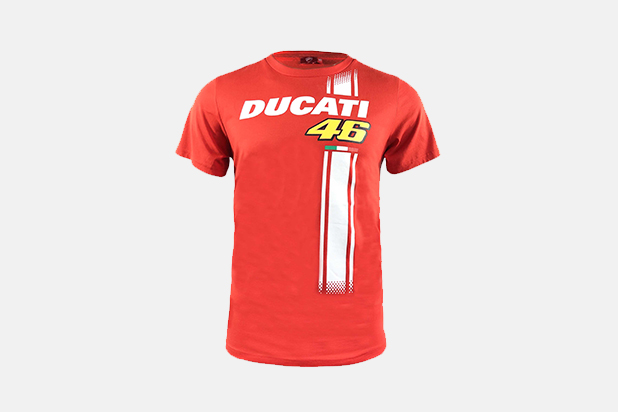
Tops carry the highest volume in almost every programme and the widest range of decoration options. The features worth comparing are the neckline construction, the sleeve length and how the decoration sits relative to the seams.

Printed team tops: the volume item in most programmes, and the easiest place to start a range.

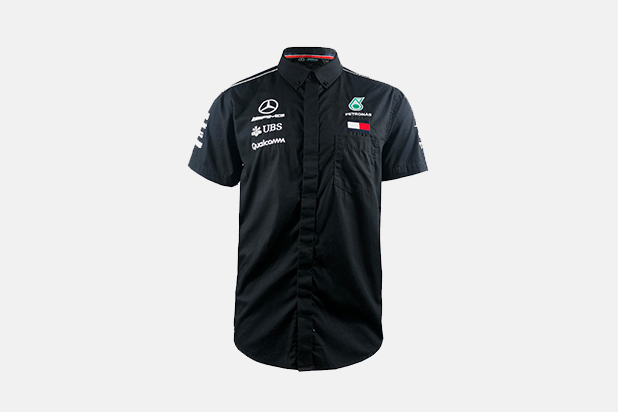
Polos bridge sport and uniform; embroidery on the chest is the standard treatment.

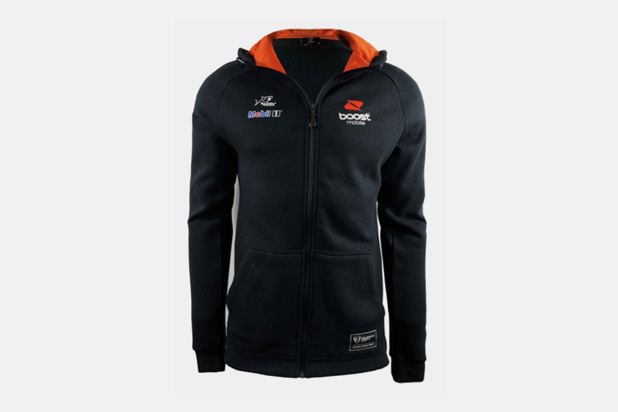
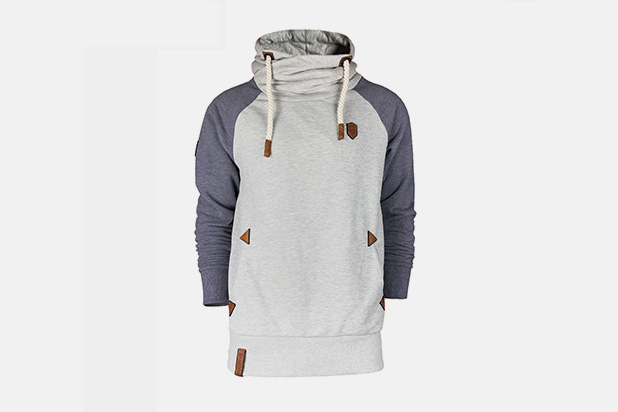
Hoodies and sweats carry lifestyle and warm-up roles in the same programme.
Lower-body pieces are usually ordered to the same size curve as the tops but not the same distribution, so the size breakdown should be planned separately. Compare panel construction, side stripe width and hem finish here.

Shorts and lower-body pieces are ordered to the same size curve as the tops but rarely in the same distribution.

Striped and panelled trousers extend a kit into training and travel wear.
Outerwear is where hardware, panel geometry and fabric finish carry the design, because print is rarely the main event. Compare zip quality, panel placement and collar construction.

Outerwear is where hardware, panels and finish carry the design rather than print.

Gilets and vests layer over everything, which makes them a strong mid-season addition.
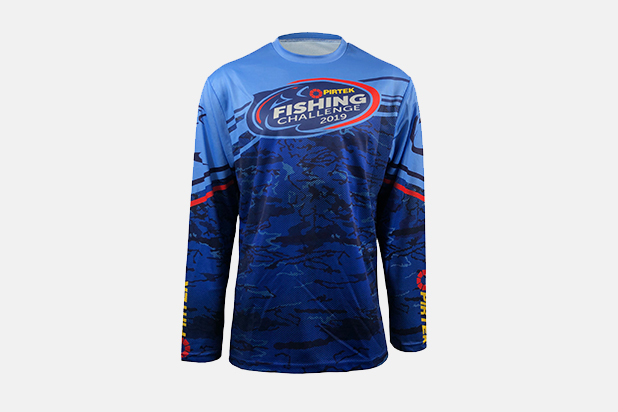
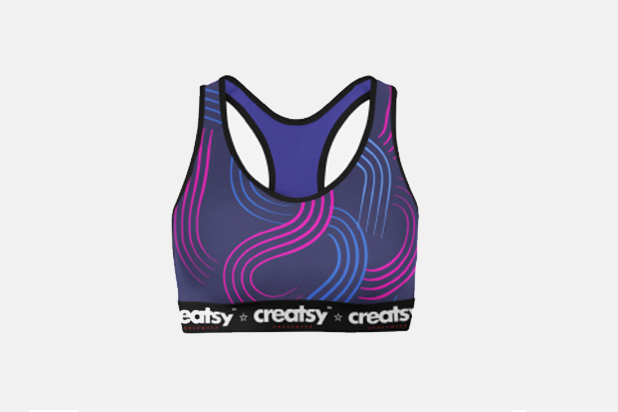
Performance garments show what decoration can do when the fabric permits it. Sublimated pieces in particular demonstrate full-colour coverage, gradient work and sponsor layout without added weight.

Sublimated performance pieces demonstrate what full-colour printing can achieve.

Accessories and seasonal pieces fill the gaps in a range and carry branding at low cost.
Team kit combines everything: panel lines, colour blocking, decoration placement and personalisation. It is the most demanding category and the best reference for how all the decisions interact.

Team kit is the clearest demonstration of panel design, colour blocking and decoration placement working together.
A gallery identifies what you want; a specification is what a factory can produce. The checklist below is what to write down once a reference has been chosen.
| Element | What to record |
|---|---|
| Garment and block | Category, fit and base block |
| Fabric | Composition, weight in gsm, stretch percentage |
| Colour | A colour reference or physical swatch for every colour |
| Decoration | Method, dimensions in millimetres and placement |
| Construction | Seam types, stitch colour, hem and trim finishes |
| Sizes and quantity | Units per size, per colour and per garment |
| Delivery | Target date, destination and terms |
Once that is written down, the reference has done its job. From that point the conversation is about specification, sampling and price, which is where a reference stops being useful and a document starts doing the work.
This gallery sits alongside our written trend references. The articles explain the direction and the reasoning; the gallery shows the finished result. Read together, they cover both halves of the question.
Yes. A reference image is a useful starting point for a conversation, but it must be converted into a specification — garment, fabric, colour, decoration and measurements — before it can be quoted or produced accurately.
No. Many programmes start from an existing garment type and adapt it with colour, fabric and decoration. What matters is that the final specification is written down, so the sample and the reorder match.
A small, focused set. Two or three references per garment, with a note on what you like about each, is far more useful than a large folder, because it shows which features are actually wanted.
That is common and entirely workable. Identify each feature — a collar, a panel, a print placement — and describe it against the garment it should appear on. The combination is then confirmed on a sample rather than assumed.
Use the gallery to identify garment types, construction features and decoration approaches, then convert your choices into a written specification. A reference shows what is possible; the specification is what gets produced.
Send Yinshan Sportswear your reference images, garment list, fabric and colour preferences, estimated quantity and target date to request a custom quote.
 English
 Español
 Português
 Français
 Pусский
 Deutsch
 العربية