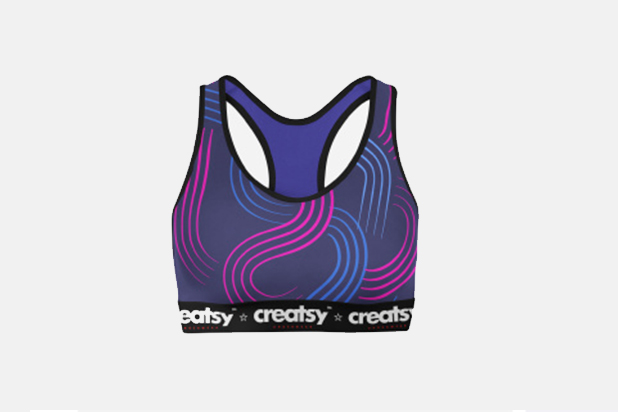
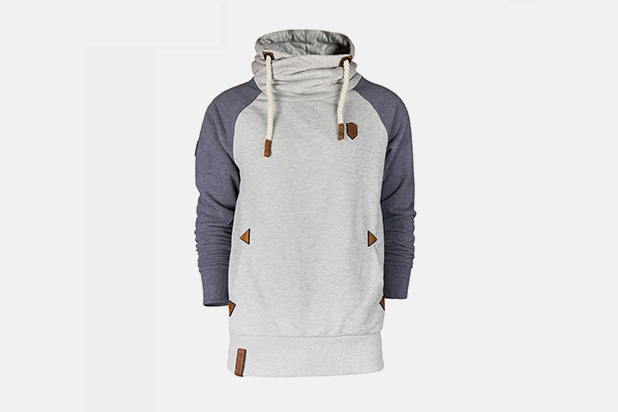
Every custom garment starts as an idea and ends as a box of finished goods. The distance between those two points is where most of the risk lives, and it is bridged by two things that are usually discussed separately: design and manufacture. Treating them as one process is what separates a bespoke order that works from one that gets remade.
This page is about how design and manufacture fit together in practice — how an idea becomes a specification, how the specification survives the factory floor unchanged, and what a club or brand should own at each stage.
Quick answer: Custom design and manufacture works when the design is expressed as a specification rather than as an image. That means garment type, cut, fabric, decoration method, placement, colour references and size breakdown, all in writing, all approved on a physical sample. The design decides what the garment is; the manufacturing conversation decides whether that is achievable at your quantity, budget and date. Have both conversations with the same person before anything is cut.
Anyone can describe a garment. The hard part is describing it well enough that a cutting table in another country produces the same garment the designer imagined. Most order failures are not manufacturing failures; they are specification failures that only appeared during manufacturing.
What the garment is for, and whether it has to work outside its sport.
Who wears it, which sets the fit and the size curve.
How it will be decorated, which constrains the fabric and the colour.
How often it will be washed, which sets the durability requirement.
When it is needed, which sets the sampling window.
Answer those five before drawing anything, and the design conversation becomes much shorter. The steps of turning a brief into a design are set out in designing custom sportswear.
Three collisions account for most of the friction between a good design and a good sample.
| Collision | Why it happens | How to avoid it |
|---|---|---|
| Decoration vs fabric | Sublimation needs polyester; embroidery needs a stable knit | Choose the fabric before finalising artwork |
| Design vs quantity | A multi-panel design needs a fabric minimum before a garment minimum | Ask for the fabric minimum early and design within it |
| Colour vs substrate | Screen colours do not match colours bonded into a knit | Approve a physical swatch, not a digital proof |
Each collision is cheap to resolve at the brief stage and expensive after cutting. The most valuable question a buyer can ask a factory is not "can you make this" but "what would you change about this design to make it repeatable at my quantity".
Sampling is the point where a design becomes a physical fact. Everything the designer assumed about fabric weight, colour, fit and decoration placement is either confirmed or exposed.
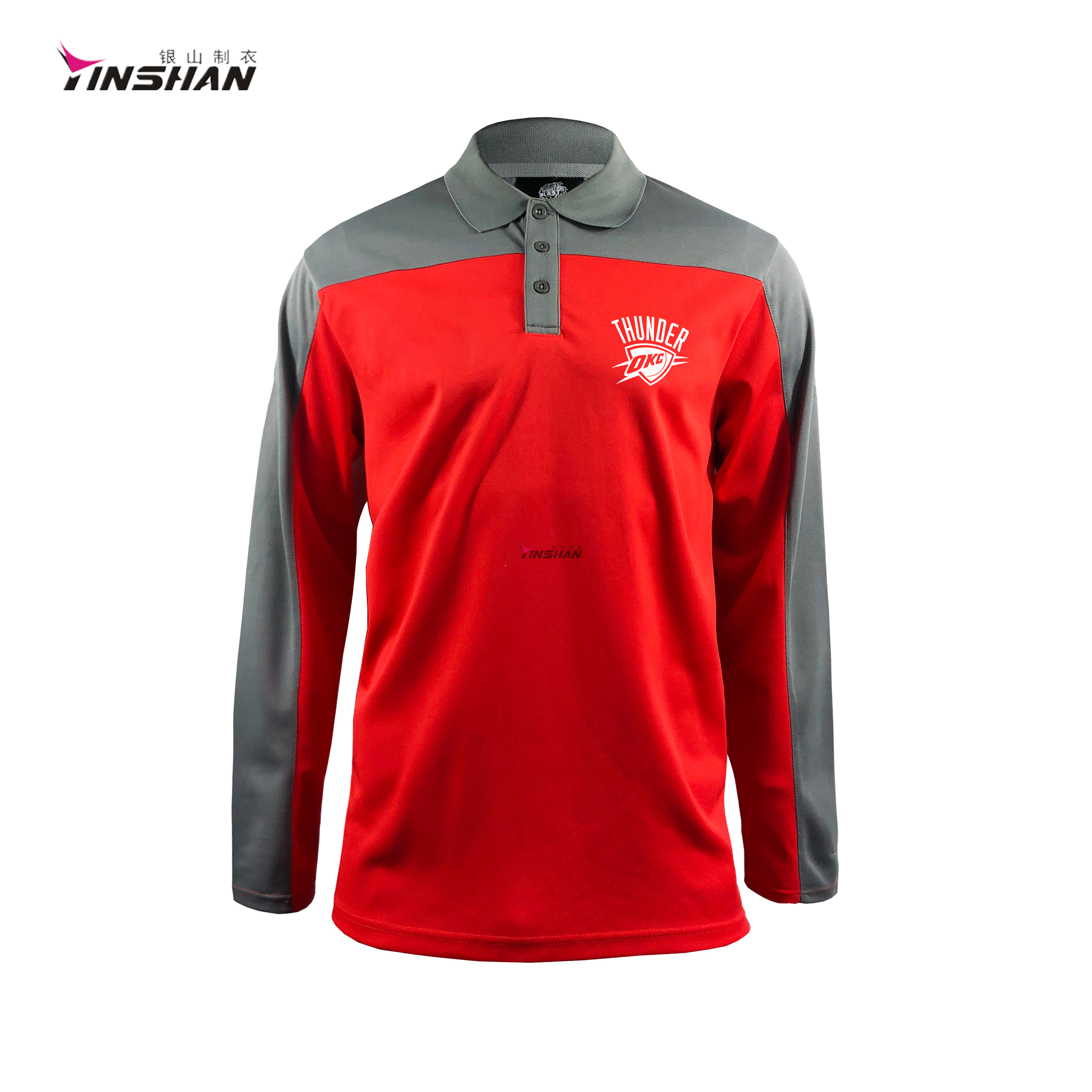
Design only becomes real when the sample is made, which is why the design and manufacture conversation has to be one conversation.
Measure the sample against the size chart rather than against expectation.
Check decoration placement on the garment, not on the artwork file.
Wear or wash it once if the order will be washed often.
Return one consolidated list of comments instead of a running conversation.
Approve in writing, and keep the reference piece and its photos.
Approval in writing is not bureaucracy. It is the document that decides whether a bulk delivery is correct, because it is what the inspection compares against. The stage-by-stage view of this process is in production from pattern to finished garment.
Clubs and brands get the best results when they are clear about which decisions are theirs. Design intent, target wearer, budget and deadline are the buyer's. Fabric construction, decoration method constraints, tolerances and production scheduling belong to the factory.
The friction arises when a buyer specifies a method without knowing its constraints — asking for a sublimated allover print on a cotton-rich polo, for instance, or an embroidered logo on a very light knit without backing. Those requests are not unreasonable in themselves, they are simply incompatible, and a factory that says so early is doing its job. How to make a design stand out within those constraints is covered in designing sportswear that stands out.
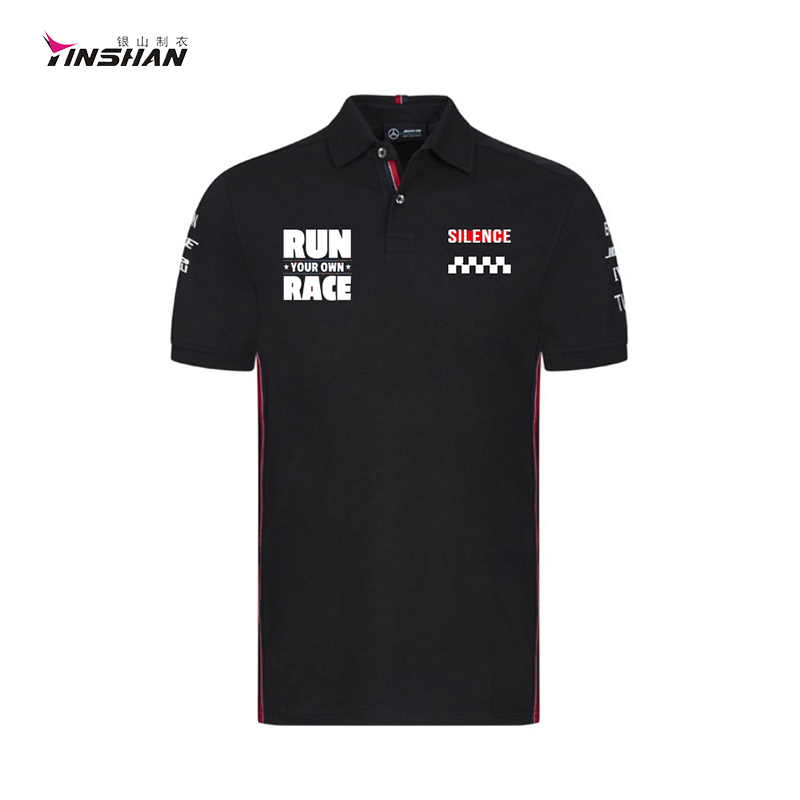
A design that ignores how the garment will be decorated is a drawing, not a specification.
The value of a bespoke design is not in the first order. It is in the second, third and tenth order, all identical, all delivered on schedule. That only happens if the specification is treated as an asset.
Record the fabric quality, weight and finish exactly as ordered.
Keep the decoration files under the club's or brand's name at the factory.
Keep the approved sample and its measurement sheet.
Note the size chart version used, and any change made after the first run.
Ask for the specification in writing on the order confirmation, every time.
A club that hands over a documented specification with a repeat order gets a shorter lead time and no re-sampling cost. A club that re-describes the garment from memory gets a new sample round and a colour that may not match the previous season.
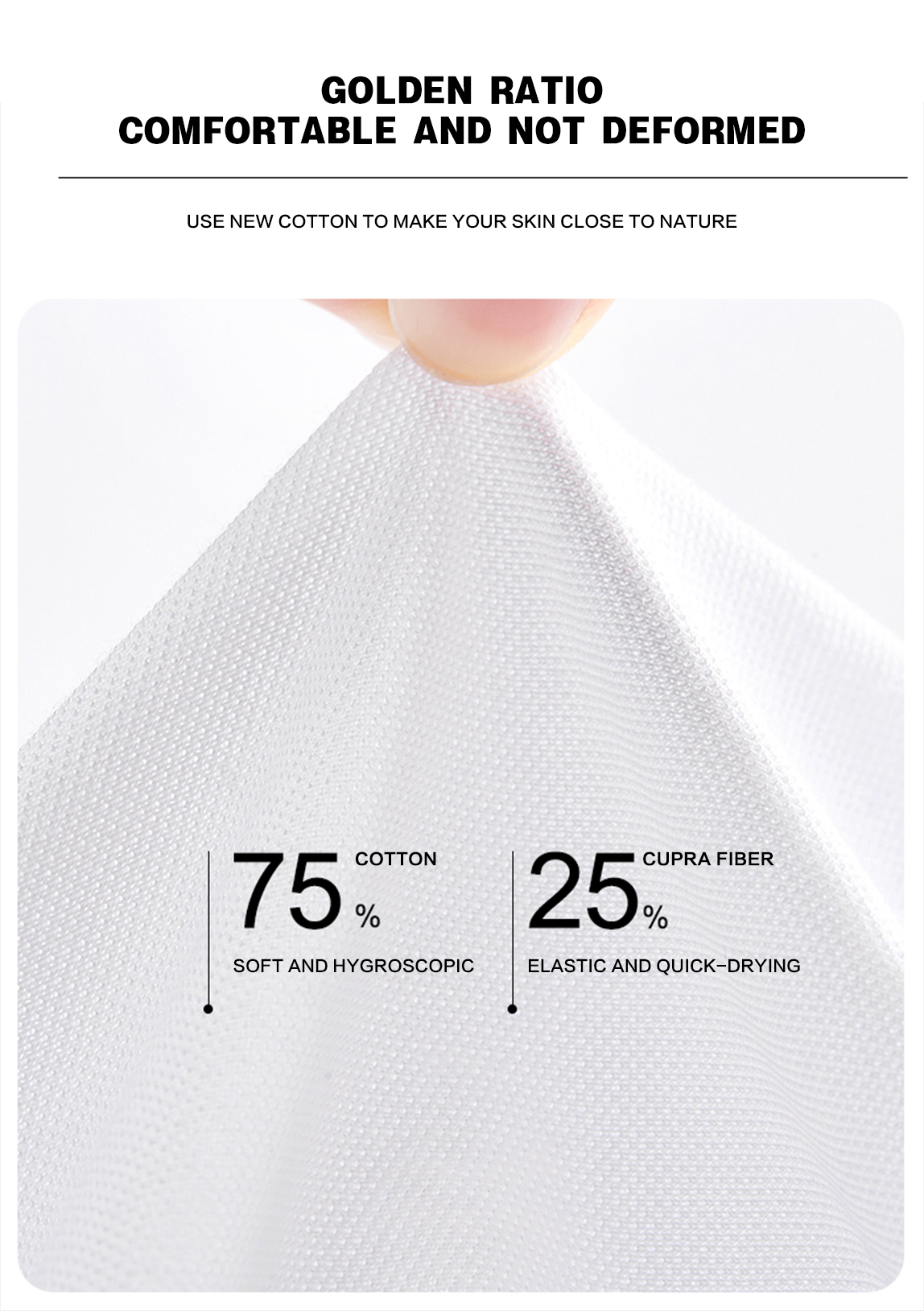
Clubs judge a bespoke kit on fit and repeatability as much as on the design itself.
A successful bespoke programme is unremarkable in the best sense: the garments arrive, they fit, they match the approved sample, the colours match last season, and the club reorders without a meeting. Getting there is less about craft in the romantic sense and more about a specification that survives contact with a factory.
Yes. A sketch is enough to start, provided you can also state the garment type, the intended wearer, the decoration method and the deadline. The factory can help convert the sketch into a technical specification, but the design intent has to come from you.
That should be agreed in writing before the order. A workable arrangement is that the club or brand owns the artwork and the factory holds the pattern and the decoration files so a repeat order matches. Ask explicitly, because the default varies.
One is normal for a stock fabric and a straightforward decoration. Two or three are normal where a custom knit, a new dye lot or a complex panel layout is involved. Budget for the second round rather than treating it as a failure.
Almost always an incomplete specification: decoration placement described rather than drawn, colour approved from a screen, or the size breakdown changed after cutting. The design itself is rarely the problem.
Send the idea, the intended wearer, the quantity and the deadline, and we will tell you which parts of the design need changing to make it repeatable, then produce a sample against a written specification.
 English
 Español
 Português
 Français
 Pусский
 Deutsch
 العربية