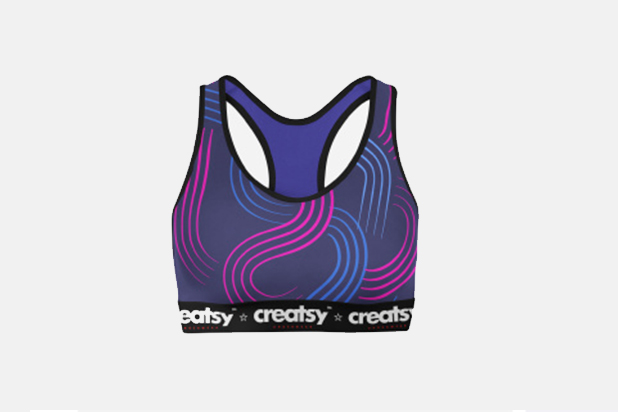
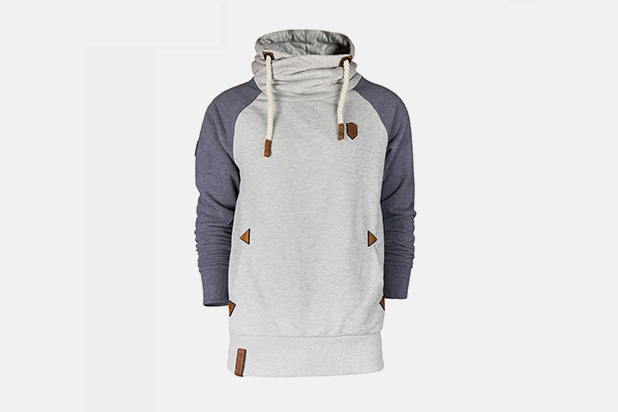
Most activewear is replaced because it stopped being pleasant to wear, not because it wore out. The collar stretched, the print cracked, the finish stopped working. Buying responsibly starts with avoiding that replacement cycle, and material choice is only the second half of the answer — durability is the first.
This page introduces our eco-conscious activewear range and explains the practical decisions behind it: which materials we offer, how the range is built for wash durability, what certification accompanies it, and how a brand or club can customise it.
Quick answer: Our eco-conscious workout range is built on recycled polyester and lower-impact natural fibres, with simpler constructions that use fewer mixed materials. The design brief behind it is twofold: keep the garment in use longer by specifying fabrics that survive repeated washing, and keep the material story honest by matching each claim to documented certification. Customisation — colours, decoration, labelling and packaging — is available on the same range, and the applicable certification is confirmed with each quotation.
The most effective sustainability decision in activewear is not the fibre, it is the number of times the garment is worn. A piece that lasts twice as long has roughly half the impact per use, whatever it is made from.
Fabric chosen for wash durability rather than for the lowest cost per metre.
Colourfastness tested, because fading is the most common reason a still-serviceable garment is retired.
Decoration methods that keep pace with the garment rather than failing first.
Elastic and trims specified to the same standard as the body fabric, since a failed waistband ends a garment's life early.
This is why our range starts from durability and works back to materials rather than the other way round. The testing that supports the approach is described in sportswear fabric testing steps.
| Material | Where it is used | What to know |
|---|---|---|
| Recycled polyester | Training tees, gym tops, shorts, hoodies | Same performance family as virgin polyester, with documented recycled content |
| Organic cotton | Casual and warm-up pieces built on natural feel | Grown under a certified standard; slower drying than polyester |
| Cotton-rich blends | Everyday activewear where feel matters | Soft but blend composition limits end-of-life recycling |
| Simplified constructions | Single-material garments with minimal plastic trim | Easier to recycle and often cheaper to make |
We do not present recycled polyester as a complete answer. It replaces virgin feedstock, and it remains a synthetic fibre. What it does do is give a brand a defensible material claim that performs like the garment its customers already know — which is the practical requirement for a range that has to sell.
Claims need paperwork. Where an order carries a recycled or organic claim, we provide the certificate that applies to the material and confirm its scope and validity period with the quotation.
Confirm the claim in writing before the order is placed, not after the goods ship.
Check that the certificate scope covers the material and the site, not only the group.
Ask for the current period's certificate rather than a historical one.
Confirm permission before a certification mark appears in your artwork or packaging.
Recycled content and organic standards are explained from a buyer's perspective in ethical and sustainable sportswear, and the fibre options in more detail in sustainable natural and organic fabrics.
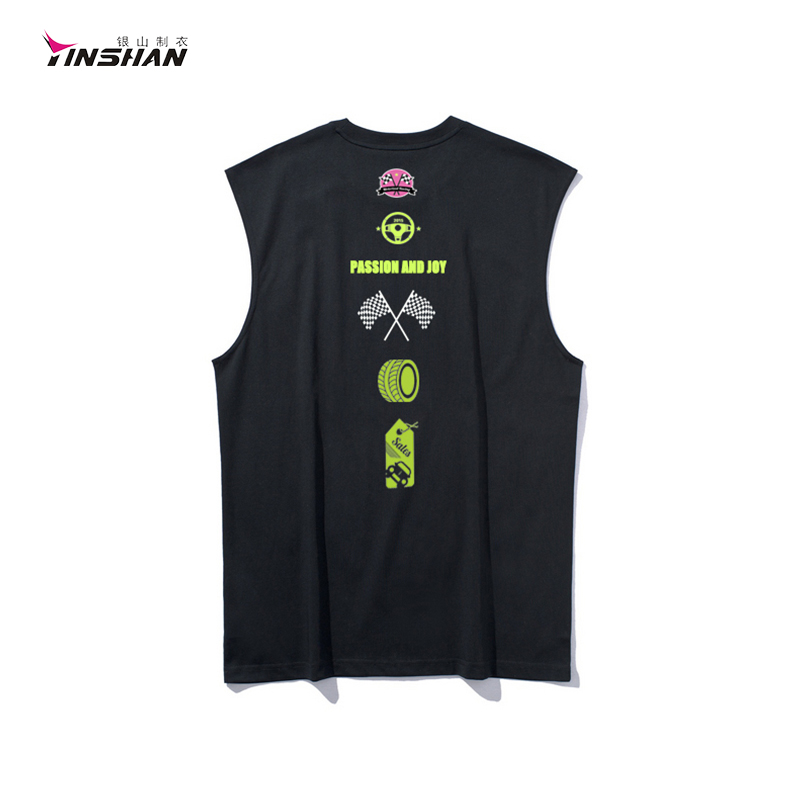
The material decision fixes most of a garment's environmental cost, and it is made before the design is finished.
The range is a starting point rather than a fixed catalogue. Brands customise it by fabric quality, colour, fit, decoration and labelling, and clubs customise it by adding a mark and a size curve.
Colour — dyed or sublimated, with recycled qualities available in a standard palette.
Fit — from relaxed training cuts to closer performance cuts, sampled before the range is committed.
Decoration — small embroidered marks or printed artwork, with the method chosen for durability.
Labelling and packaging — brand labels, hang tags and recycled or reduced packaging on request.
Because decoration choices have a durability consequence, they belong in the specification rather than in a separate conversation. How each method behaves on a knit is covered in custom sportswear printing.

Recycled polyester behaves like virgin polyester on the body, so the practical differences sit in the documentation rather than the feel.
A garment's laundering dominates its lifetime footprint for most users. Every wash at a lower temperature and every avoided tumble dry reduces the impact of a garment that has already been made.
Wash cool and full rather than hot and half-empty.
No fabric softener on any moisture-management garment.
Air dry in preference to a tumble cycle.
Wash less often where the garment allows it — a gym top worn for an hour does not always need a wash.
These are the same instructions that protect the fabric and the decoration, which is why the care guidance for the range doubles as its environmental guidance. Our general advice is in taking care of sportswear.
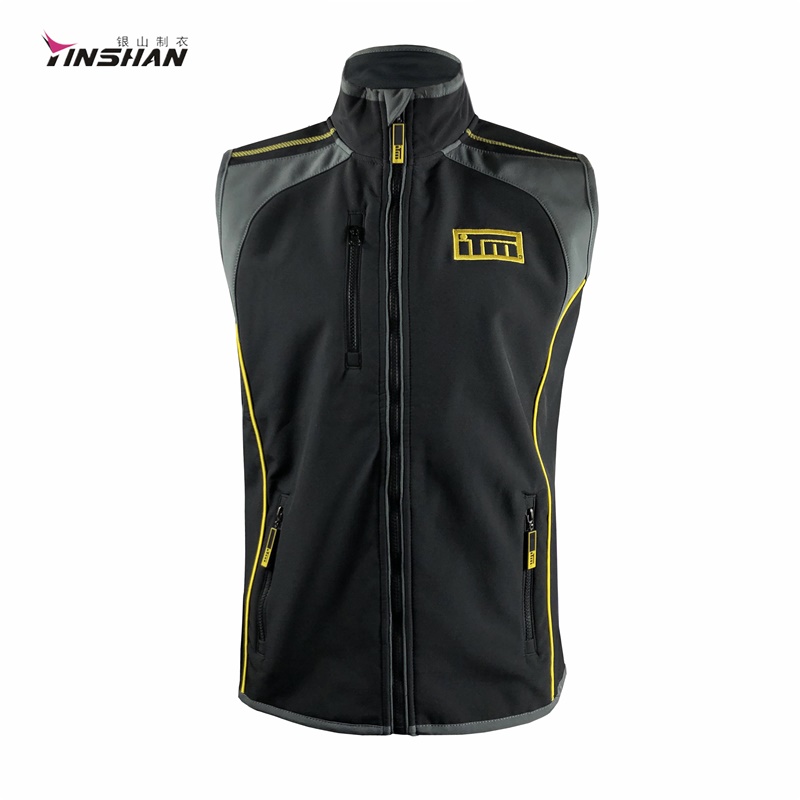
A simpler garment with fewer materials is easier to make well and easier to dispose of responsibly at end of life.
The range is designed for brands building an eco-positioned line, for gyms and studios selling own-label activewear, and for clubs that want kit consistent with a stated environmental policy. In all three cases the practical questions are the same: what claim the buyer intends to publish, at what volume, and on what deadline — because those three answers determine which material route is realistic.
Two things: the material and how long it stays in use. Recycled polyester and organic or lower-impact natural fibres reduce the material footprint, while durability and wash behaviour decide whether the garment avoids an early replacement. A durable garment in a recycled fibre is the combination that holds up.
Where an order carries a recycled or organic claim, we provide the certificate that applies to the material and confirm its scope and validity period with the quotation. We recommend agreeing the claim in writing before the order is placed.
Yes. Embroidery and print are both available, and the method is chosen for durability so that the decoration does not fail before the garment does. Labelling and packaging can also be adjusted to match a brand's own requirements.
There is usually a modest premium over virgin polyester, which has narrowed as availability has improved. Ask for both qualities quoted side by side so the difference can be judged against your order rather than in the abstract.
Send the claim you intend to publish, the volume and the deadline, and we will confirm which material route supports it, with the applicable certification and a durability-tested sample before the range is committed.
 English
 Español
 Português
 Français
 Pусский
 Deutsch
 العربية